Jaipur, Rajasthan
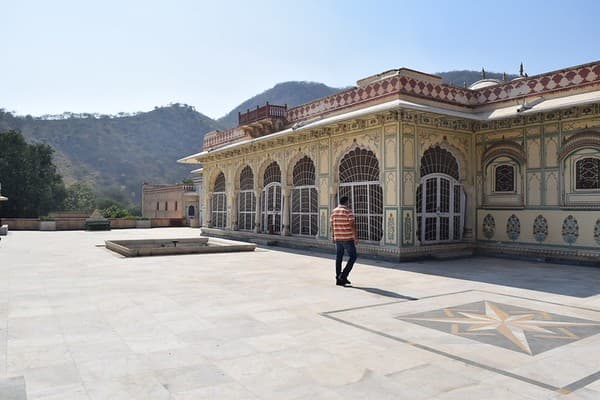
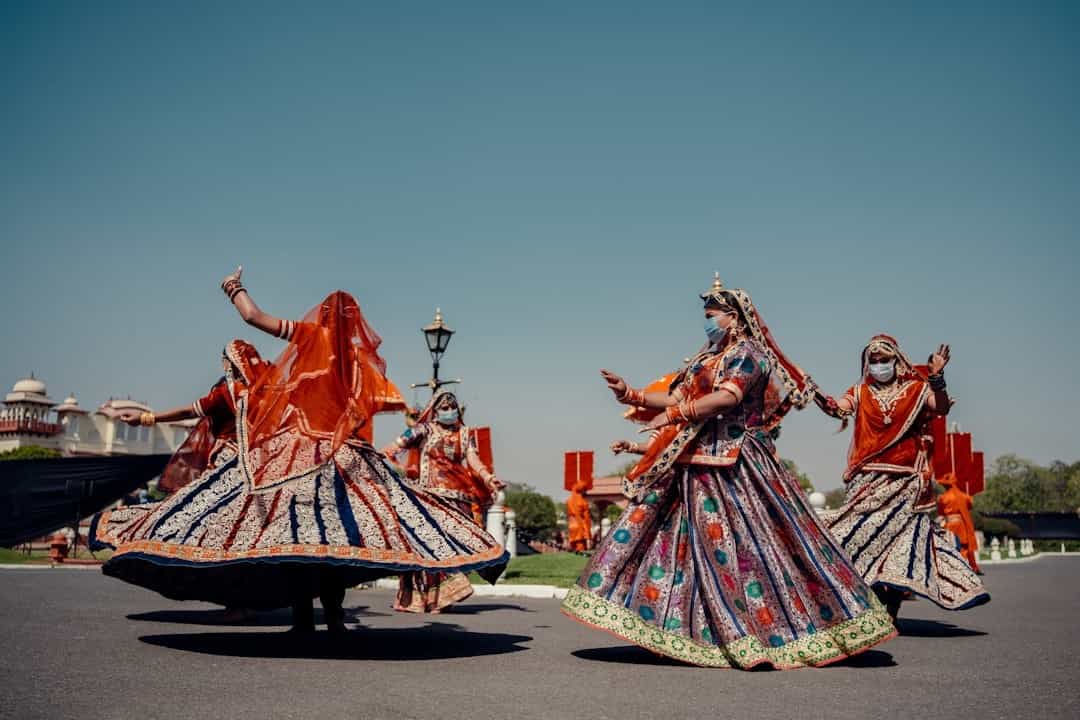
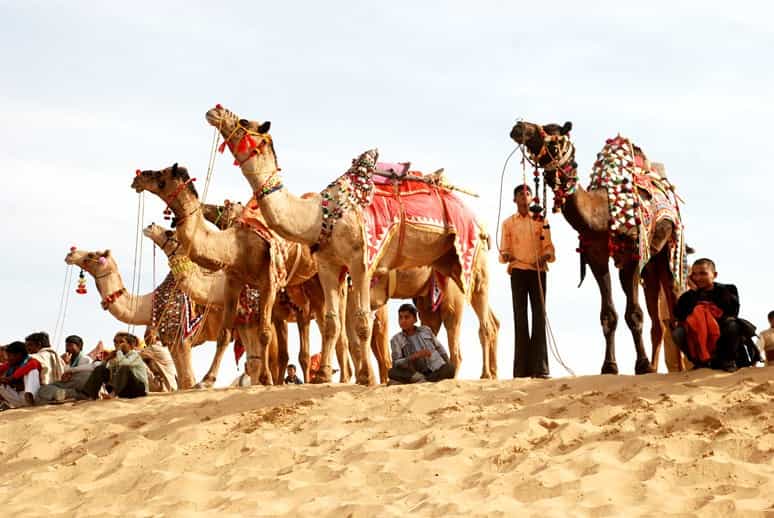
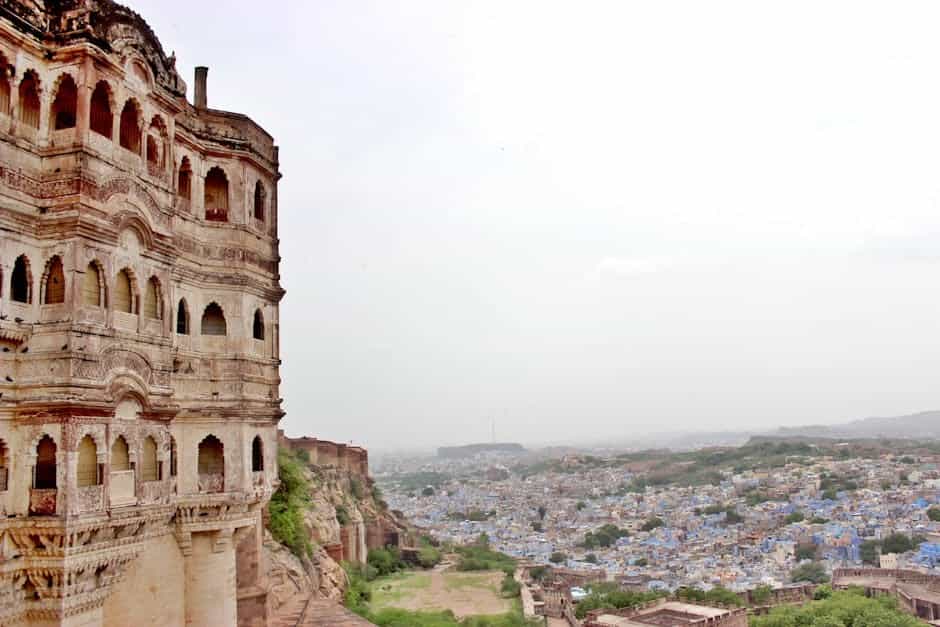
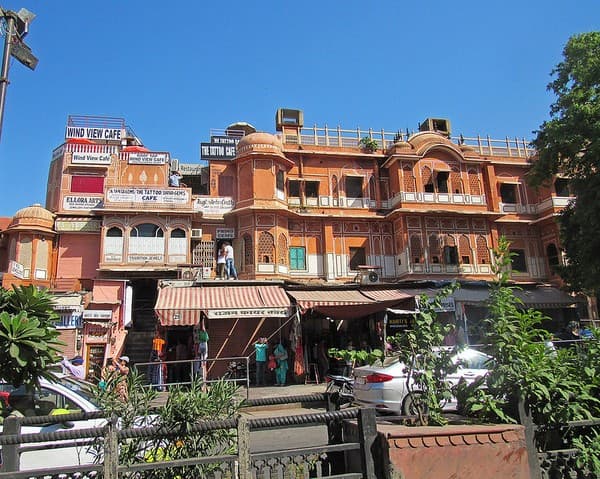
Jaipur, founded in 1727 by Maharaja Sawai Jai Singh II, is the capital of Rajasthan and a key example of planned city architecture in India. Known as the "Pink City" for its distinctive rose-pink painted buildings in the old city, Jaipur blends Rajput palaces, Mughal influences, and early-modern urban planning. The city is a UNESCO World Heritage Site (2019) for its unique urban planning and architectural ensemble. Jaipur is a major cultural center for Rajasthani art, music, dance, crafts, and cuisine.
Last updated: 31 May 2026
Places to visit
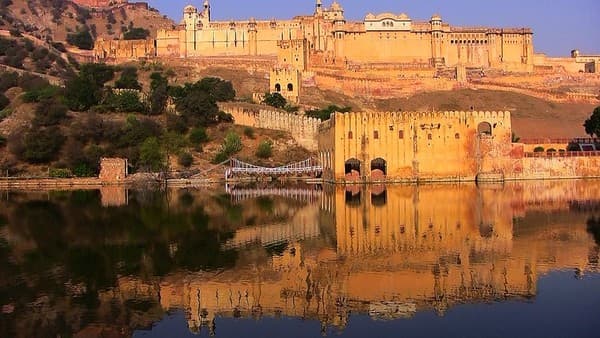
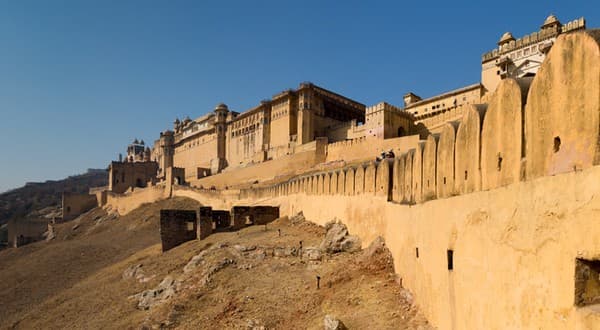
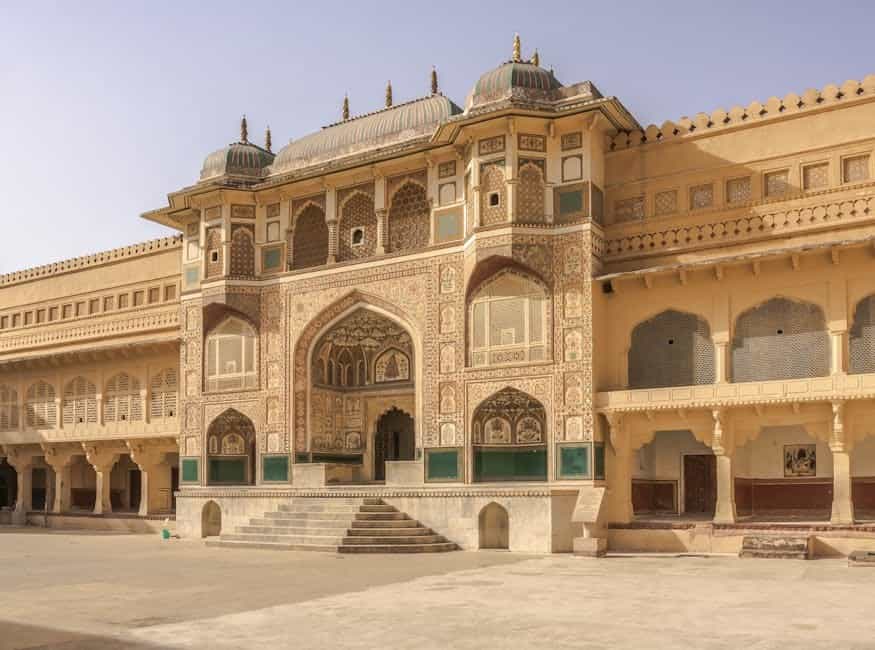
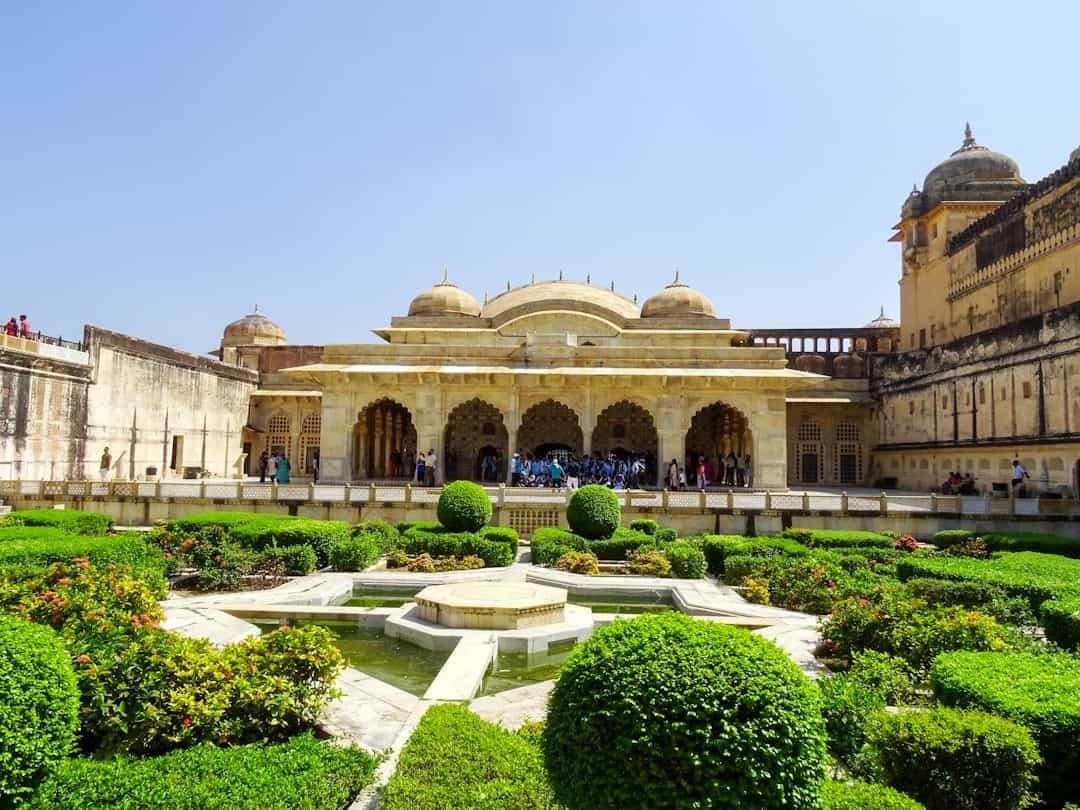
- Amber (Amer) Fort and Palace
- City Palace and Mubarak Mahal
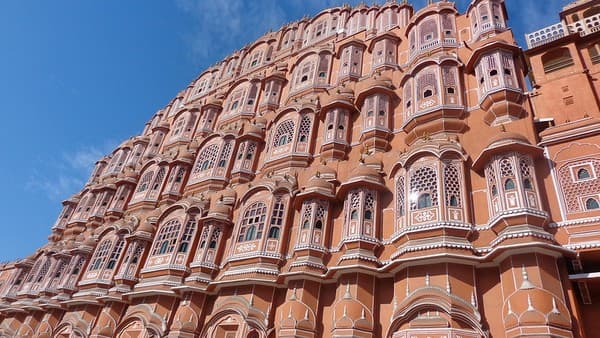
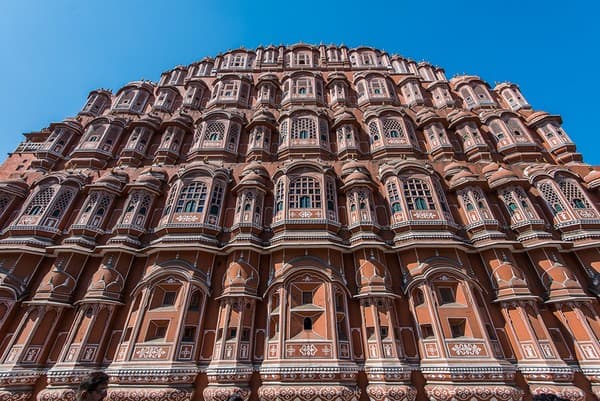
- Hawa Mahal (Palace of Winds)
- Jantar Mantar (astronomical observatory)
- Nahargarh Fort and Jaigarh Fort
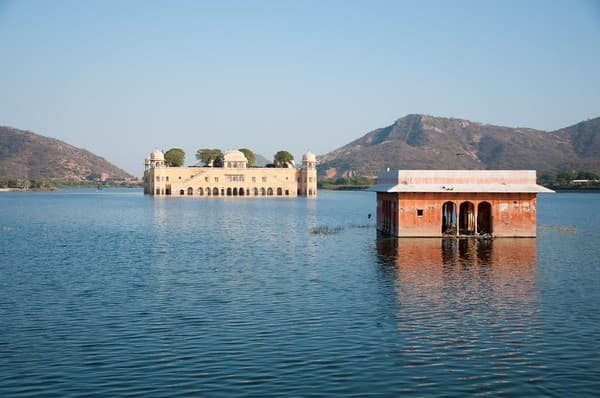
- Jal Mahal (Water Palace) in Man Sagar Lake
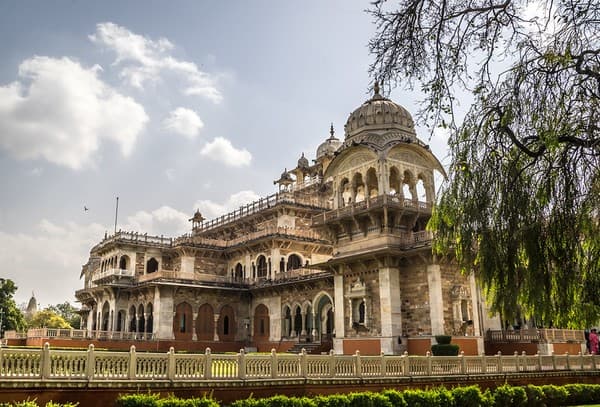
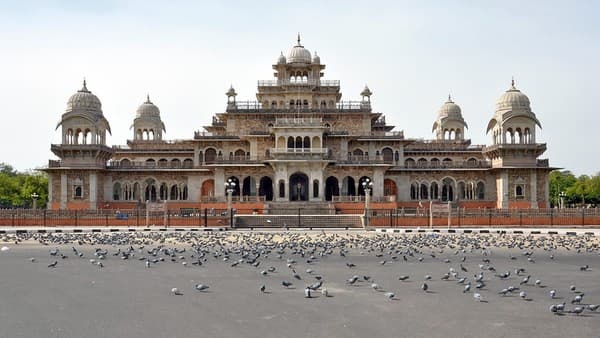
- Albert Hall Museum (Central Museum)
- Traditional bazaars: Johari Bazaar, Bapu Bazaar, Tripolia Bazaar
- Rambagh Palace (now a luxury heritage hotel)
- Galtaji (Monkey Temple) and Birla Mandir
Unique Aspects
- Distinctive pink sandstone façades and planned grid layout of the old city
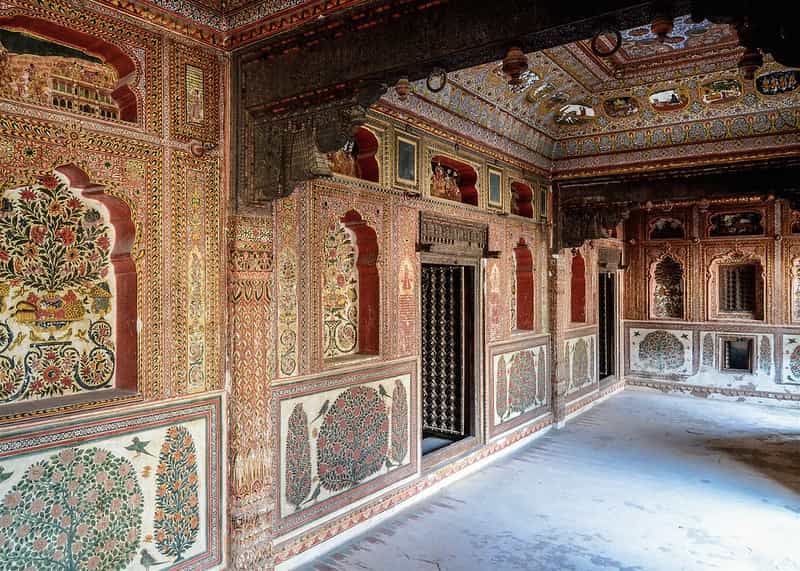
- Rajput palaces, ornate jharokhas (latticed windows) and courtyards
- Rich craft traditions: block-print textiles, blue pottery, meenakari and Kundan jewellery
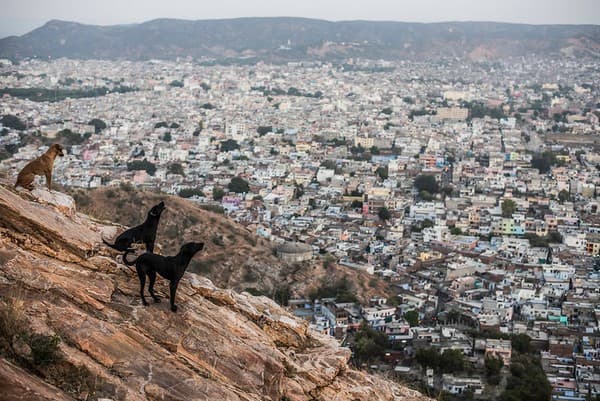
- Panoramic city views from hill forts and sunset viewpoints
- Vibrant street life and lively markets selling textiles, gemstones and handicrafts
Things to do
- Heritage walks through the Pink City and guided palace tours
- Shopping for textiles (bandhani, block prints), jewellery and blue pottery in traditional bazaars
- Hot-air balloon rides over the Aravalli foothills (seasonal)
- Culinary experiences: Rajasthani cooking classes and food tours
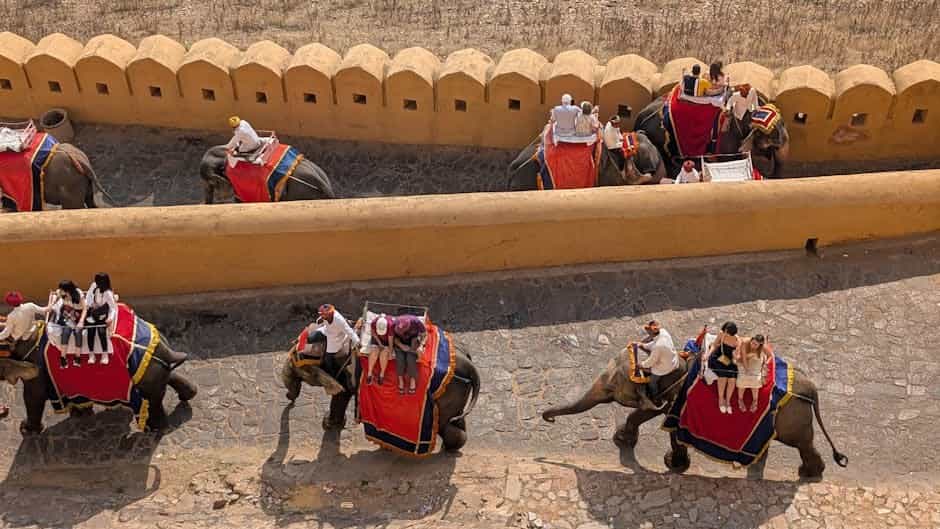
- Day trips to Amber Fort with elephant/jeep access (note ethical considerations for elephant rides)
- Photography of forts, palaces and street scenes; sunset at Nahargarh or Jaigarh
- Attend local classical/folk music and dance performances at cultural venues or hotels
Festivals & Events
- Jaipur Literature Festival (January) — major international literary event
- Teej and Gangaur — vibrant Rajasthani festivals celebrated in the city
- Diwali and Holi — colorful pan-Indian festivals with local Rajasthani customs
- Jaipur International Film Festival and other cultural events (dates vary)
- Elephant Festival at Amer (held occasionally; check current schedule)
Best Time to Visit
October to March — pleasant days and cool nights; comfortable for sightseeing and festivals.
Weather Conditions
Summers (April–June) are very hot (often above 40°C); monsoon (July–September) brings moderate rain and humidity; winters (December–February) are mild to cool, nights can be chilly.
Accessibility
Nearest airport: Jaipur International Airport (Sanganer) ~13 km from city center. Main rail hub: Jaipur Junction with connections to major Indian cities. Road: well-connected by national highways (approx. 4–6 hours from Delhi by car/bus). Local transport: app-based taxis, auto-rickshaws, cycle rickshaws, city buses and a limited metro line. Many heritage sites have steps and uneven surfaces; accessibility for wheelchairs is limited at older forts and palaces—check with individual sites for facilities.
Recommended Duration
3–4 days for a focused city experience covering main forts, palaces, bazaars and a short cultural activity; 5–7 days if including relaxed day trips and nearby attractions.
Clothing & Gear Tips
Lightweight, breathable clothing in summer; layers and a warm jacket for winter nights. Comfortable walking shoes for cobbled streets and forts. A scarf or shawl is useful for sun protection and when visiting religious sites. Sunblock, hat, reusable water bottle and basic first-aid items recommended.
Local Food & Souvenirs
Must-try foods: dal bati churma, laal maas (spicy mutton), gatte ki sabzi, kachori, and traditional sweets like ghevar and mawa kachori. Street snacks and Rajasthani thalis are widely available. Popular souvenirs: block-printed textiles, bandhani sarees and dupattas, blue pottery, Kundan and meenakari jewellery, mojari (traditional leather shoes), hand-carved marble items and miniature paintings.