Jaisalmer Fort (Sonar Quila), Rajasthan
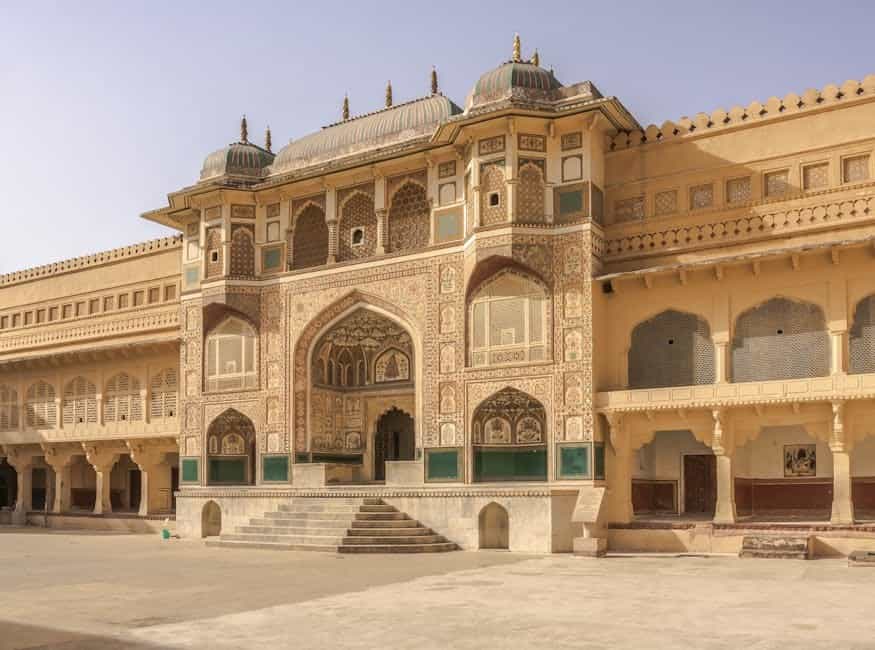
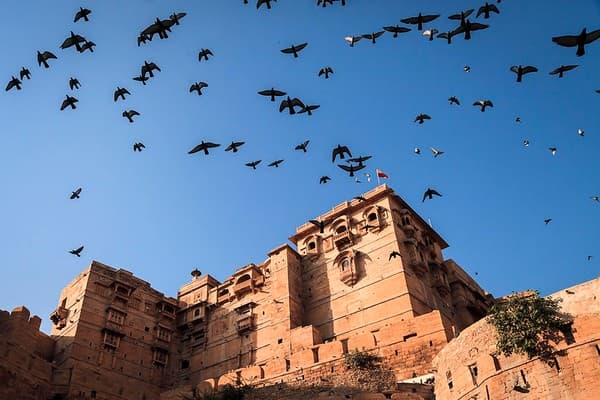
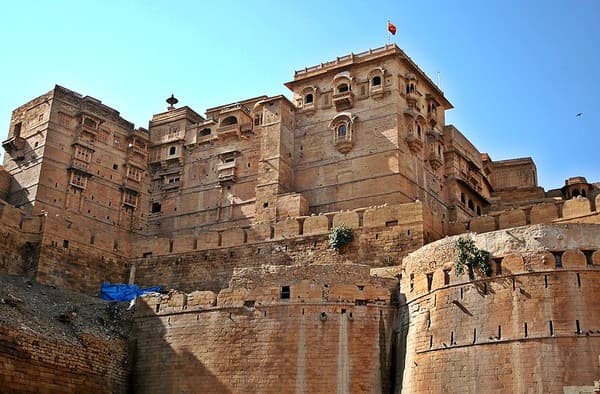
Jaisalmer Fort (Sonar Quila), founded in 1156 AD by Rawal Jaisal, is one of the largest fully preserved fortified cities in the world. Built from golden-yellow sandstone, the fort glows like "Sonar Quila" (Golden Fort) at sunrise and sunset. It is a key example of Rajput military architecture and medieval urban planning and is part of the Hill Forts of Rajasthan group recognized for its heritage value. The fort is unique as a living fort — a substantial population still resides within its walls, keeping traditional crafts, trade and community life alive.
Last updated: 31 May 2026
Historic Anecdotes
Local legend says Rawal Jaisal chose the hill for the fort after a successful hunt; other tales speak of hidden treasures and heroic sieges. The fort's lanes and havelis are associated with merchant families and Jain communities whose patronage produced richly carved temples and ornate homes. Many stories revolve around the fort's defenders during historic sieges and the resilience of its civilian inhabitants against desert hardships.
Places to visit
- Raj Mahal (Royal Palace) and Palace Museum
- Cluster of 12th–15th century Jain temples inside the fort
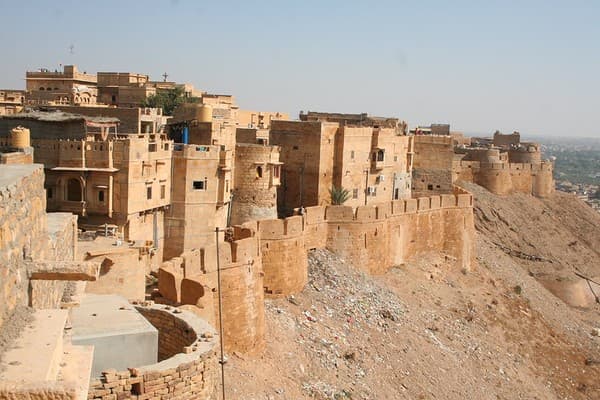
- Fort ramparts and bastions offering panoramic views
- Narrow cobbled lanes and residential quarters (living fort experience)
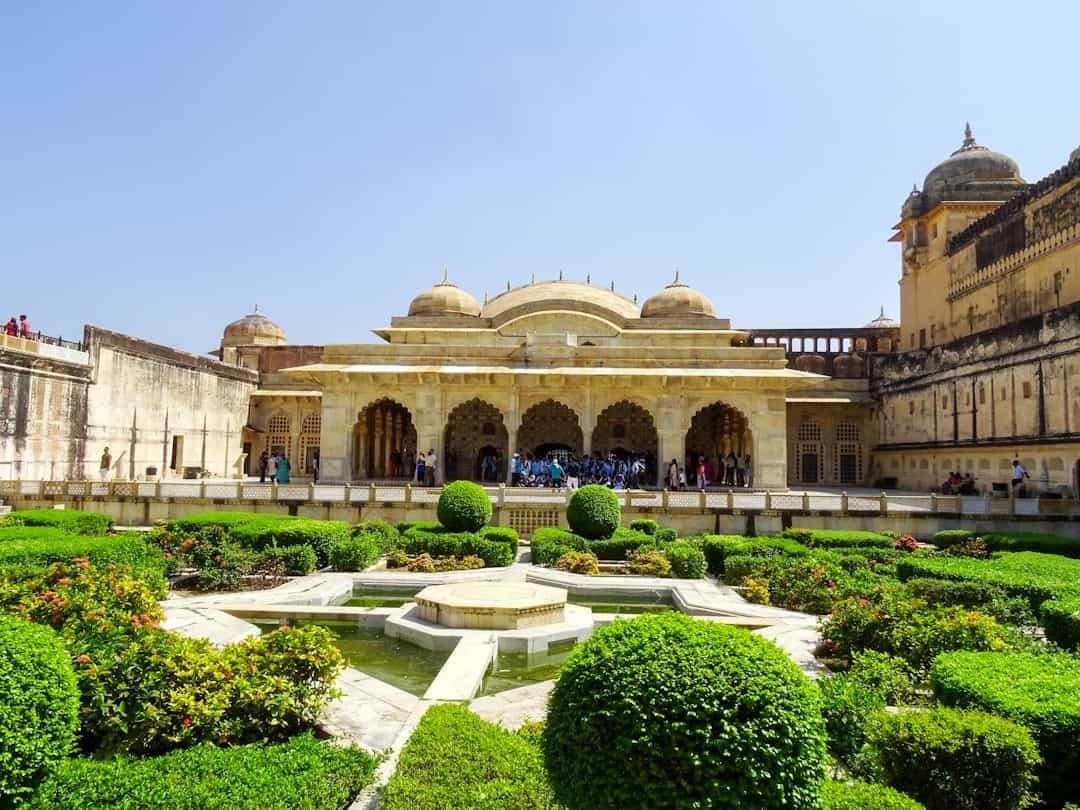
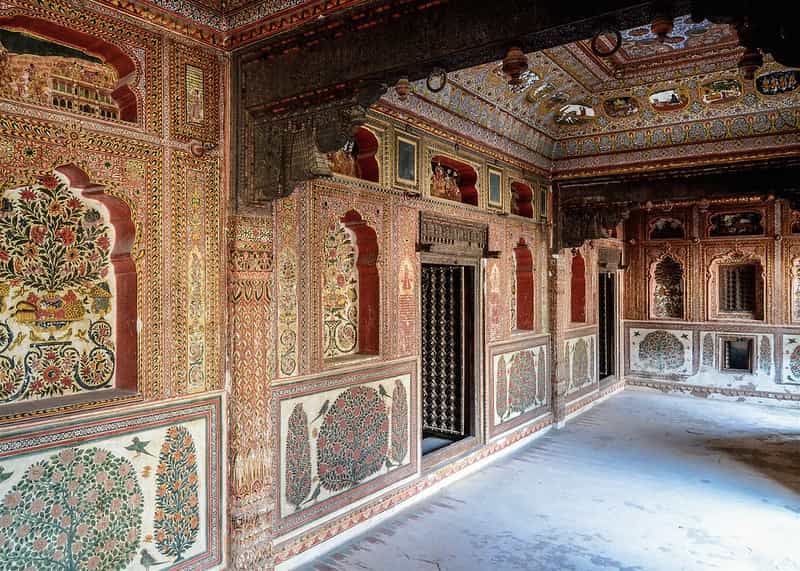
- Havelis, courtyards and intricately carved facades
- Small museums and galleries documenting local history and crafts
Unique Aspects
- Golden sandstone construction that appears to change color with light
- A functioning, inhabited fort — local shops, homes and temples active within the fort walls
- Extensive battlements and watchtowers overlooking the Thar Desert
- Fine stone carving on temples and merchant facades
- Panoramic sunset viewpoints ideal for photography
- Close link to wider desert attractions (Sam Sand Dunes)
Things to do
- Walk the fort ramparts for sweeping views of the city and desert
- Explore the Raj Mahal and the Jain temples (observe dress and photography norms inside temples)
- Guided heritage walks and storytelling tours explaining the fort’s history
- Shop for textiles, jewelry and handicrafts in the fort’s bazaars
- Attend a sunset photography session from the western ramparts
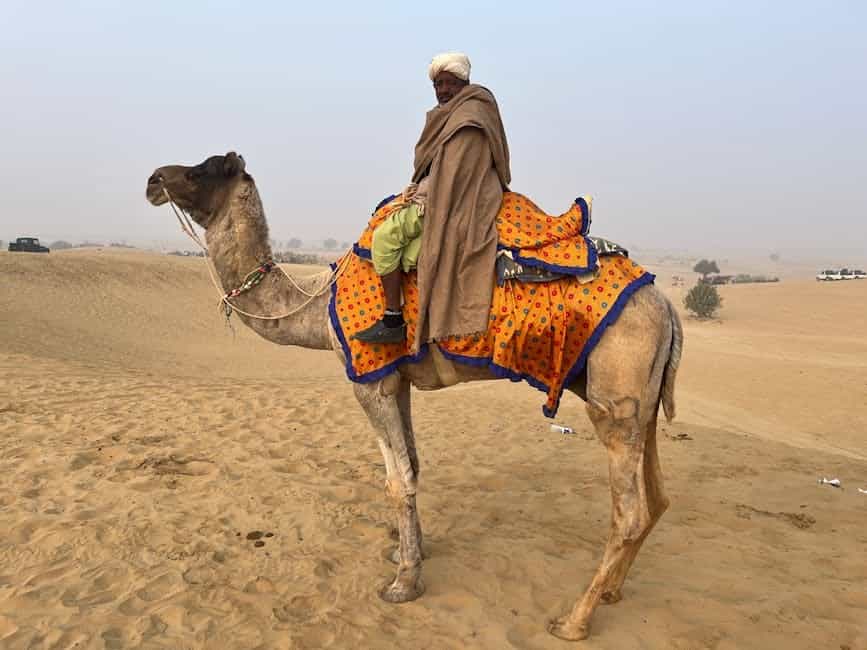
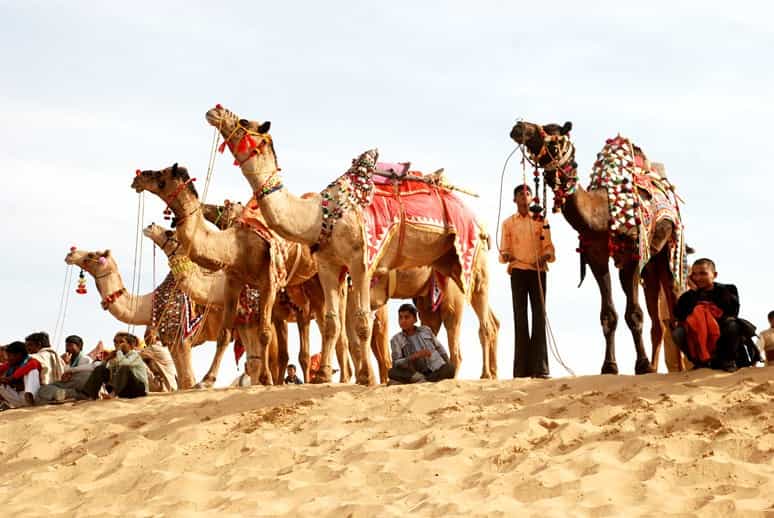
- Combine a visit with a camel safari or jeep trip to the Sam Sand Dunes for desert sunset/overnight experiences
Festivals & Events
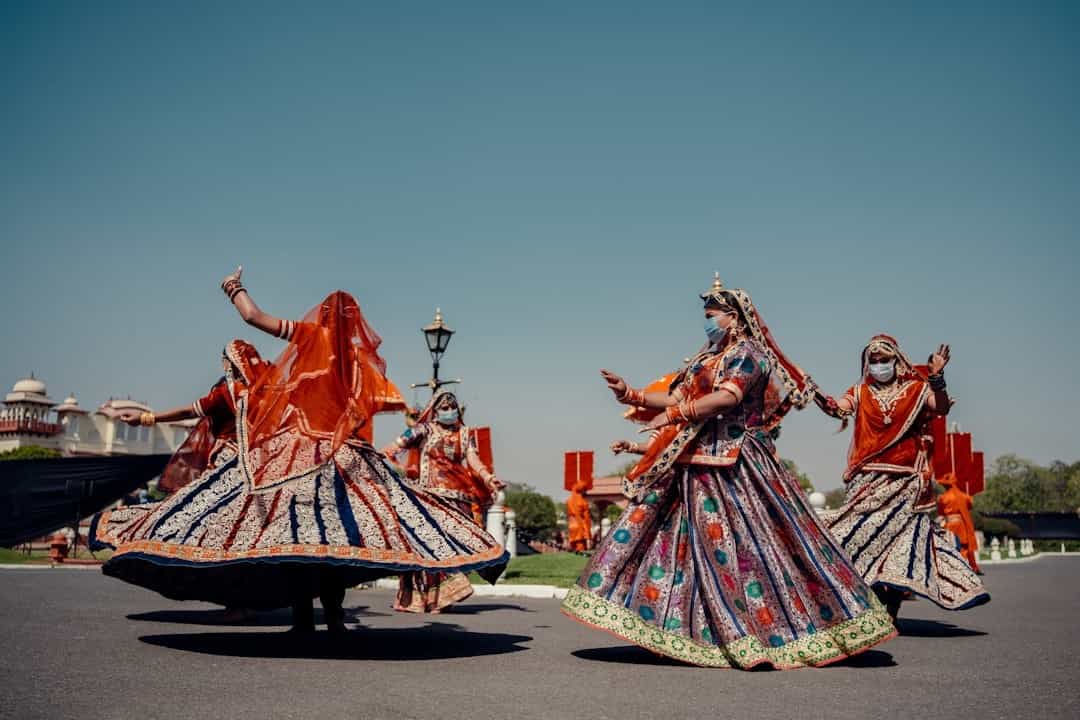
- Desert Festival (Jaisalmer) — annual cultural festival (usually in February) celebrated in the Sand Dunes near Jaisalmer with folk music, dances, camel races and pageants
- Local religious festivals at the Jain temples and Laxminath Temple — dates vary with the Hindu calendar
- Special cultural programs and occasional sound-and-light performances at or near the fort
Best Time to Visit
October to February — pleasant daytime temperatures and cool desert nights. Avoid the extreme summer months (May–July) when temperatures can exceed 40°C.
Weather Conditions
Hot summers (April–June) with daytime highs often above 40°C; mild winters (November–February) with daytime 15–25°C and cold nights. Sparse rainfall during the monsoon (July–September).
Entry Fees & Permits
Access: The fort precinct is freely accessible to stroll through, but specific attractions (e.g., Royal Palace Museum, some temples or galleries) may charge a nominal entry fee and have set timings. Typical museum hours are roughly 9:00–17:00, but timings and fees change — check locally or online before visiting.
Accessibility
Nearest airport: Jaisalmer Airport (limited flights); nearest major airport: Jodhpur (~250–300 km by road). Jaisalmer city has a railway station with connections to Jodhpur, Jaipur and major cities. Regular road connections by bus and car. The fort is on a hill and has many steep, narrow lanes and steps — limited mobility access inside the older lanes; plan accordingly.
Recommended Duration
2–3 hours to explore the fort thoroughly; 1–2 days recommended to combine with city havelis, museums and a desert excursion (Sam dunes).
Clothing & Gear Tips
Light, breathable clothing for daytime; a warm layer for winter nights. Comfortable, closed shoes for walking cobbled lanes and climbing steps. Sun protection: hat, sunglasses, sunscreen, and a water bottle. Modest clothing when visiting temples.
Local Food & Souvenirs
Try local Rajasthani dishes such as dal bati churma, saffron lassi, ker sangri and local sweets (e.g., ghevar). Souvenirs: block-printed textiles, embroidered garments, silver and semi-precious jewelry, leather goods, camel-themed handicrafts, miniature paintings and carved wooden items. Bargain politely at bazaars.