Jantar Mantar, Jaipur, Rajasthan
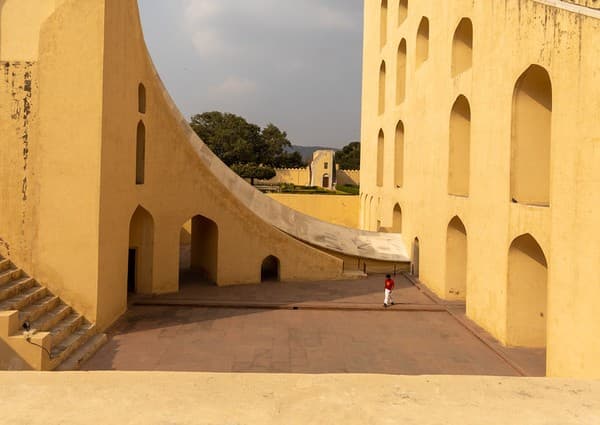
Jantar Mantar, Jaipur is a major 18th-century astronomical observatory built by Maharaja Sawai Jai Singh II (completed c. 1734). It is one of five observatories he commissioned in India and is notable for its large-scale masonry instruments that combine scientific purpose with architectural form. The site was inscribed as a UNESCO World Heritage Site (2010) for its testimony to the close links between astronomy and architecture in pre-modern India and for representing important advances in observational astronomy.
Last updated: 31 May 2026
Historic Anecdotes
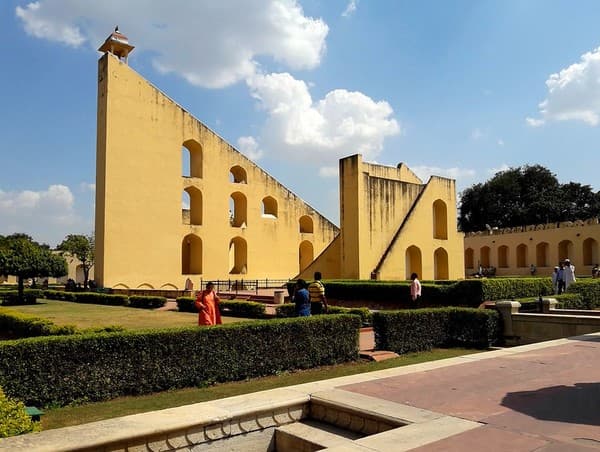
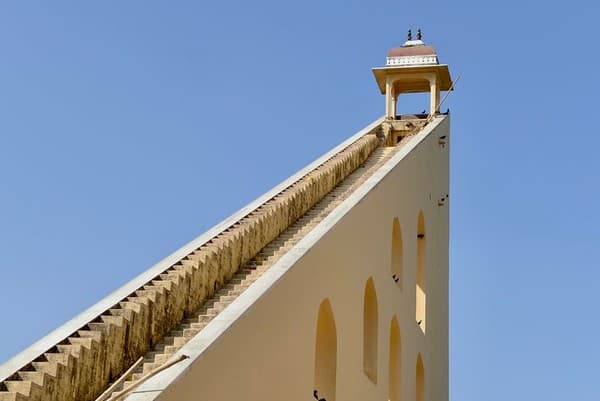
Legend and local history emphasize Jai Singh’s passion for astronomy — he gathered knowledge from Indian, Islamic and European sources and employed skilled craftsmen to turn calculations into monumental instruments. A popular claim (often repeated in visitor guides) is that the Samrat Yantra (giant sundial) can measure time to within a few seconds — a demonstration of the precision achievable with large masonry instruments. The observatory also served both scientific and courtly/astrological functions for the kingdom.
Places to visit
- Samrat Yantra (the giant equinoctial sundial)
- Jai Prakash Yantra (hemispherical sundial for locating celestial coordinates)
- Ram Yantra (cylindrical instruments for measuring altitude and azimuth)
- Misra Yantra (composite instrument to determine shortest and longest days and other particulars)
- Other notable instruments: Chakra Yantra, Digamsa Yantra and smaller yantras across the complex
Unique Aspects
- Large, precisely aligned masonry and stone instruments combining geometry, astronomy and architecture
- Instruments oriented to cardinal directions and calibrated for high observational accuracy
- UNESCO World Heritage recognition for scientific and architectural value
- Located inside the historic walled city, close to City Palace and Hawa Mahal
Things to do
- Self-guided exploration of the various instruments with interpretive plaques
- Guided tours (local guides explain the scientific principles and historic uses)
- Photography — excellent architectural and detail shots, best in morning light
- Watching the Samrat Yantra demonstrate timekeeping (clear sunny mornings are ideal)
- Attending occasional astronomy workshops or public talks (check event listings)
Festivals & Events
- Occasional astronomy workshops and public talks (often timed to astronomical events)
- Heritage walks and guided trails organized by local heritage groups
- Special programming or extended hours occasionally during city-wide festivals — check ahead
Best Time to Visit
October to March for pleasant temperatures and clearer skies; early morning visits are ideal for cooler weather and softer light for photography.
Weather Conditions
Summers (Apr–Jun) are very hot (often 35–45°C/95–113°F); monsoon (Jul–Sep) brings humidity and occasional heavy rain. Winters are mild and comfortable.
Entry Fees & Permits
Typical visitor hours are around 9:00 AM to 4:30–5:00 PM (may vary; confirm locally). Approximate entry fees (subject to change): Indian nationals: ~₹50, foreign visitors: ~₹200; concession rates for students/children. Additional camera or tripod charges may apply—check current rates at the ticket counter or official site.
Accessibility
Nearest airport: Jaipur International Airport (~13 km). Nearest railway: Jaipur Junction (central city, ~2–4 km depending on route). Easily reached by taxi, auto-rickshaw or local buses; parking nearby. The site has uneven stone surfaces, steps and low walls around instruments — limited wheelchair accessibility (some areas may be navigable with assistance).
Recommended Duration
1–2 hours to comfortably see the main instruments and take photos; longer (2–3 hours) if joining a guided tour or workshop.
Clothing & Gear Tips
Comfortable walking shoes, sunhat, sunscreen and water in hot months; light layers in winter mornings. A handheld shade and good camera/phone for close-up and wide-angle shots.
Local Food & Souvenirs
Nearby food options in the old city include Rajasthani snacks and meals — try dal-baati-churma, kachori, and sweets like ghevar; street snacks and lassi are widely available. Popular souvenirs: miniature paintings, blue pottery, block-printed textiles, traditional jewellery and gemstone pieces. Combine the visit with nearby attractions such as City Palace and Hawa Mahal for a full heritage walk.