Jaswant Thada, Rajasthan
Historical: Jaswant Thada is a late 19th-century royal cenotaph built in 1899 by Maharaja Sardar Singh in memory of Maharaja Jaswant Singh II. It serves as the cremation ground and memorial for the Rathore rulers of Jodhpur and is an important example of Rajput funerary architecture.
Cultural: The site houses intricately carved marble portraits of the royal family and is closely associated with local royal ceremonies and heritage. It is considered a symbol of the city's royal legacy and identity.
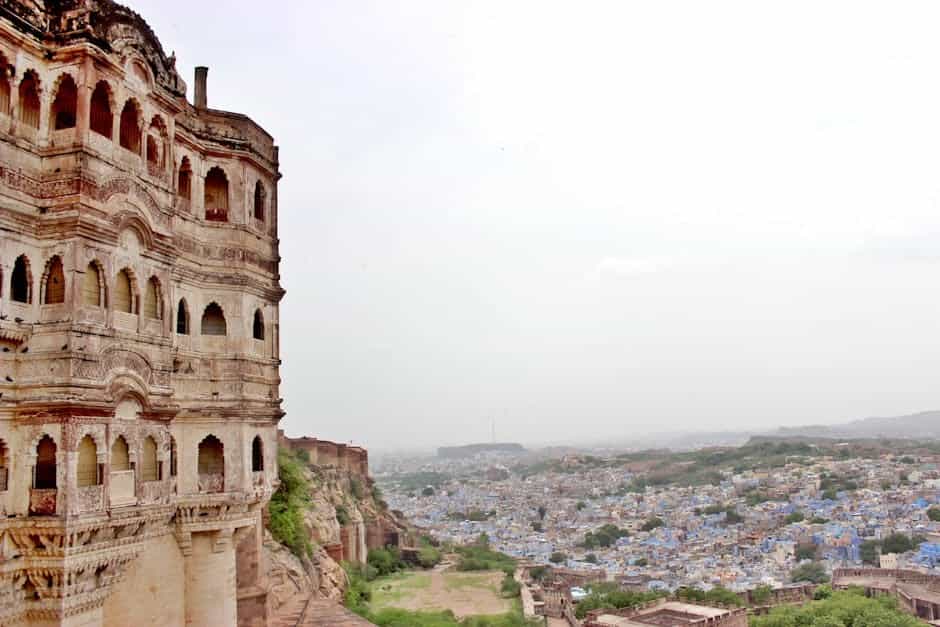
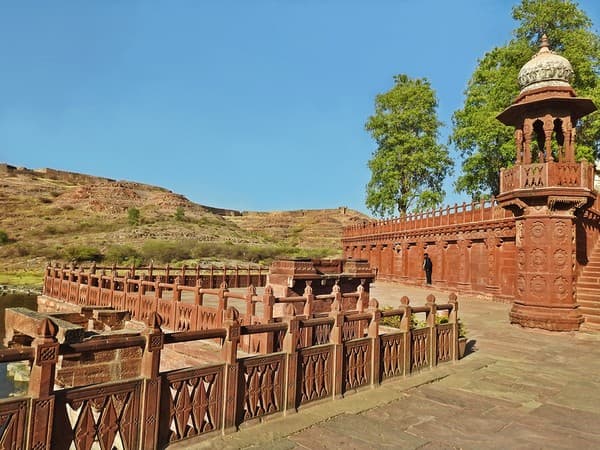
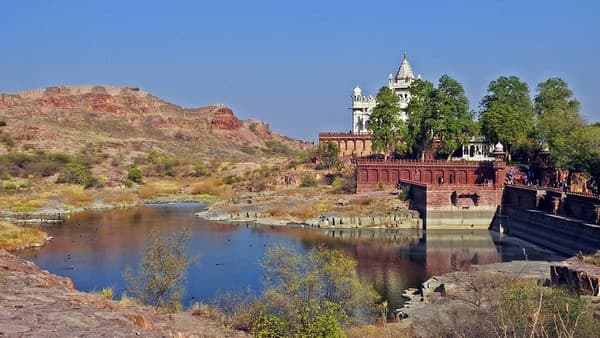
Natural/Scenic: Perched close to Mehrangarh Fort, the white marble structure overlooks the old city (the "Blue City") and offers panoramic views; its gardens, reflecting pool and landscaped terraces add to the tranquil, scenic setting.
Last updated: 31 May 2026
Places to visit
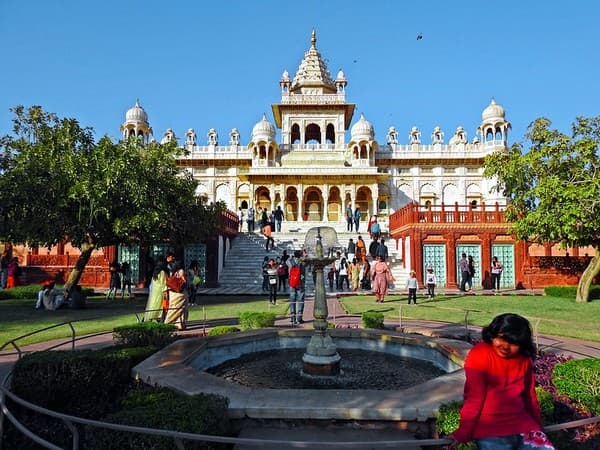
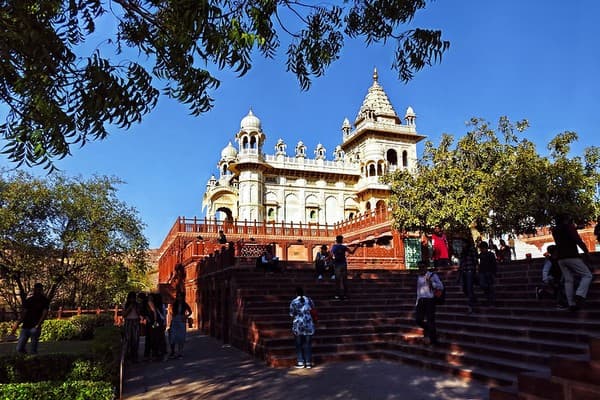
- The main cenotaph of Maharaja Jaswant Singh II with its delicately carved marble domes and spires
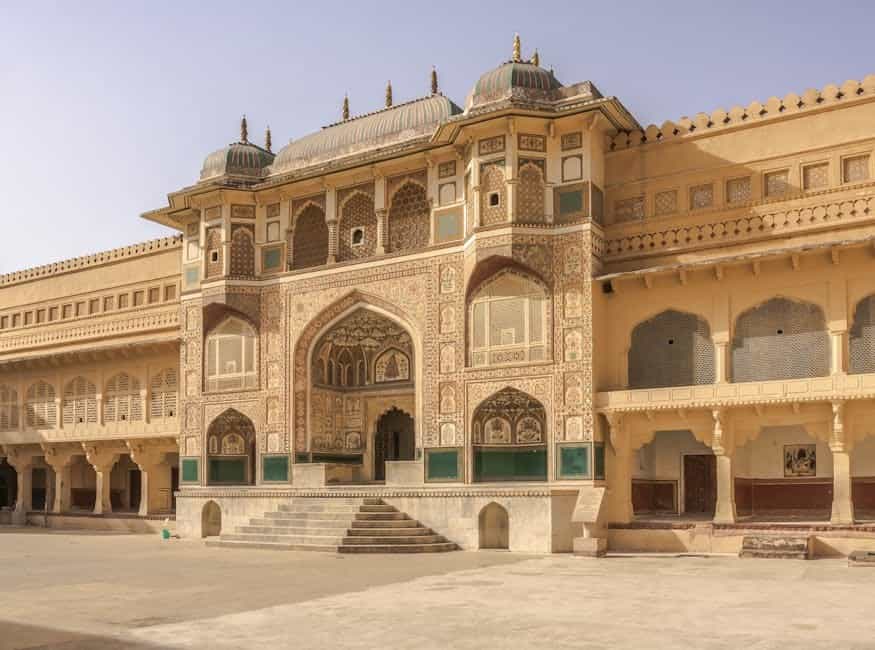
- Carved marble jali (screens) and detailed stonework
- Gallery of royal portraits and commemorative plaques
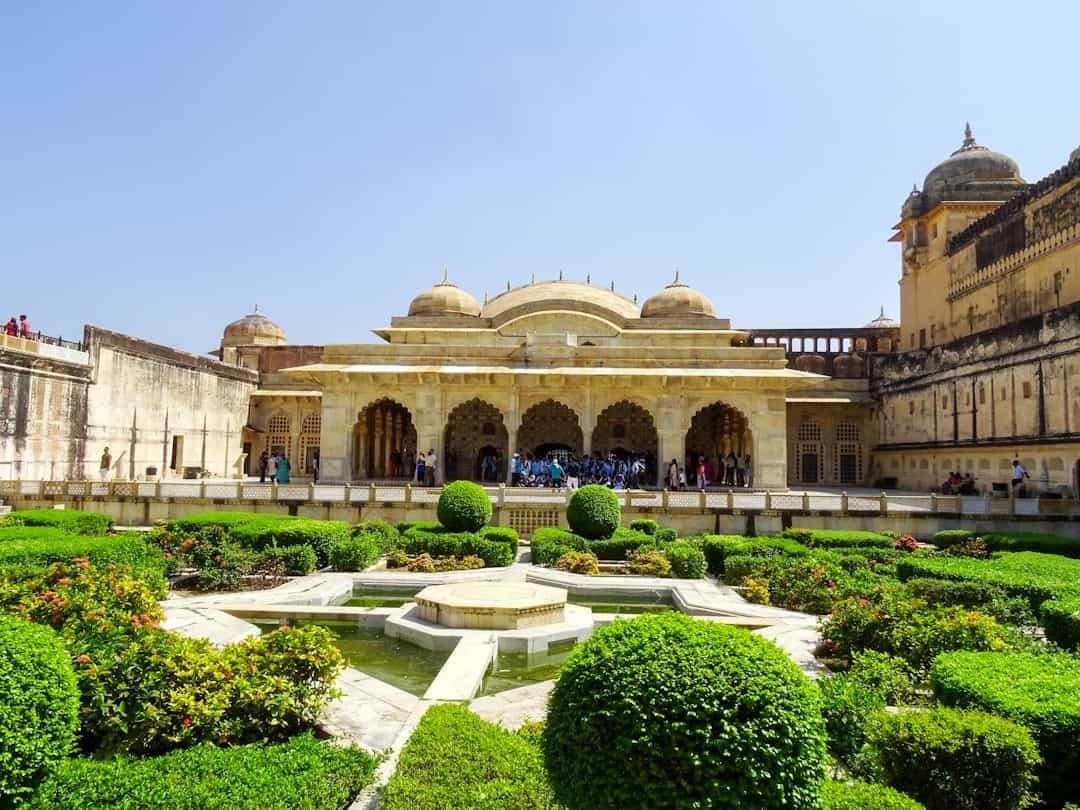
- Gardens and a small reflecting pond in front of the cenotaph
- Panoramic viewpoints overlooking Mehrangarh Fort and Jodhpur's old city
- Small temple and adjacent memorials to other members of the royal family
Unique Aspects
- Pure white Makrana marble sheets that glow in sunlight
- Intricate jali and lattice stonework typical of Rajput craftsmanship
- Calm, terraced gardens and a reflective water tank that mirror the cenotaph
- Close visual and physical proximity to Mehrangarh Fort (easy combined visit)
- Excellent photographic vantage points for sunrise/sunset and city panoramas
Things to do
- Guided or self-guided historical tours to learn about the Rathore dynasty and memorial architecture
- Photography of marble details, reflections in the pond and city/fort panoramas
- Quiet reflection or meditation in the gardens
- Combine with a visit to nearby Mehrangarh Fort and local museums
- Stroll through the surrounding old-city lanes and visit shops and cafés
Best Time to Visit
October to March — pleasant temperatures and clear skies make sightseeing comfortable; early morning or late afternoon offers best light for photographs.
Weather Conditions
Hot summers (April–June) with daytime temperatures often above 35–40°C; monsoon season (July–September) brings intermittent rain and higher humidity; winters (December–February) are cool and pleasant, with nights that can be chilly.
Entry Fees & Permits
Typical visiting hours are ~09:00 to 17:00 (may vary; check locally). Entry fees are modest — historically small nominal fees for Indian visitors and slightly higher for foreign visitors; there may be a separate camera fee. Exact amounts and hours can change, so confirm current fees and timings before travel.
Accessibility
Located close to Mehrangarh Fort and approximately 1.5–2 km from Jodhpur Clock Tower (Sardar Market). Accessible by auto-rickshaw, taxi or private vehicle. Nearest airport: Jodhpur Airport (JDH) ~8–10 km. Nearest major railway station: Jodhpur Junction ~2–3 km. There are steps and terraces at the site so wheelchair access is limited; check on-site assistance options if needed.
Recommended Duration
45 minutes to 1.5 hours — enough time to explore the cenotaph, gardens, take photos and enjoy the view; longer if combined with Mehrangarh and museums.
Clothing & Gear Tips
Light, breathable clothing in summer; warm layers in winter evenings. Comfortable walking shoes, sun protection (hat, sunscreen), refillable water bottle. Respectful/modest dress is advisable when visiting memorials and small temples.
Local Food & Souvenirs
Try Rajasthani specialties in the old city such as dal baati churma, mirchi vada, and local sweets. Souvenirs: textiles, block-printed fabrics, miniature paintings, blue pottery, and small marble handicrafts that echo the site’s material.