Kumbhalgarh Fort, Rajasthan
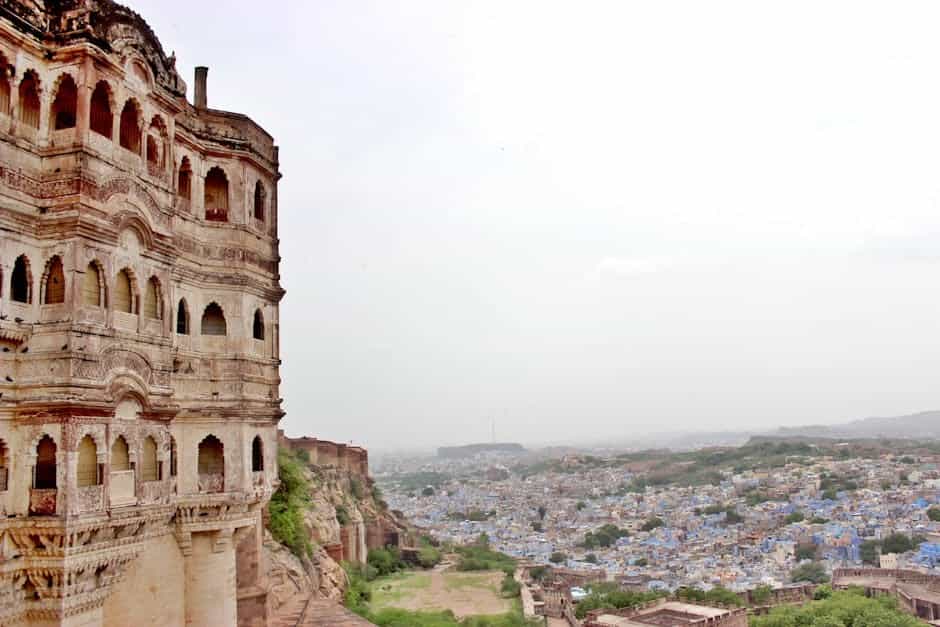
Kumbhalgarh Fort (built in the 15th century by Rana Kumbha) is one of the most important hill forts of Rajasthan and a protected component of the UNESCO-listed Hill Forts of Rajasthan. Strategically perched in the Aravalli range, it served as a formidable stronghold for the Mewar kingdom and was the birthplace and refuge of several notable Rajput rulers, including Maharana Pratap. The fort's massive fortification, hilltop location and surrounding sanctuary contribute both historical and natural significance.
Last updated: 23 Oct 2025
Historic Anecdotes
Local tradition and legend credit Rana Kumbha with grand engineering skill; tales tell of the fort's near-impenetrability and miraculous defenses. The fort is associated with stories of Maharana Pratap’s birth and early life, and with accounts of the fort giving sanctuary to Mewar's royal family during Mughal invasions. Many local legends emphasize the fort’s walls as almost superhuman in strength and endurance.
Places to visit
- Kumbhalgarh Ramparts (the long perimeter wall and battlements)
- Badal Mahal (Palace of Clouds) at the fort's highest point
- Kumbha Palace and other royal residences
- Several Hindu and Jain temples within and near the fort
- Panoramic viewpoints and terraces offering expansive Aravalli views
- Kumbhalgarh Wildlife Sanctuary bordering the fort
Unique Aspects
- Extensive hilltop fortifications stretching for tens of kilometers — often described as one of the longest fortified walls in India
- Classic Rajput military architecture with layered defenses, massive gates and bastions
- A blend of palaces, temples and military structures inside a single complex
- Rich biodiversity of the adjoining sanctuary (deer, nilgai, wolves, leopards and diverse birdlife)
Things to do
- Guided tours of the fort complex and ramparts
- Walking or light trekking along sections of the fort wall
- Photography at sunrise and sunset from viewpoints such as Badal Mahal
- Nightly Light & Sound show (seasonal) recounting the fort’s history
- Wildlife safaris, birdwatching and nature walks in the Kumbhalgarh Wildlife Sanctuary
- Visiting local temples and exploring nearby traditional villages
Festivals & Events
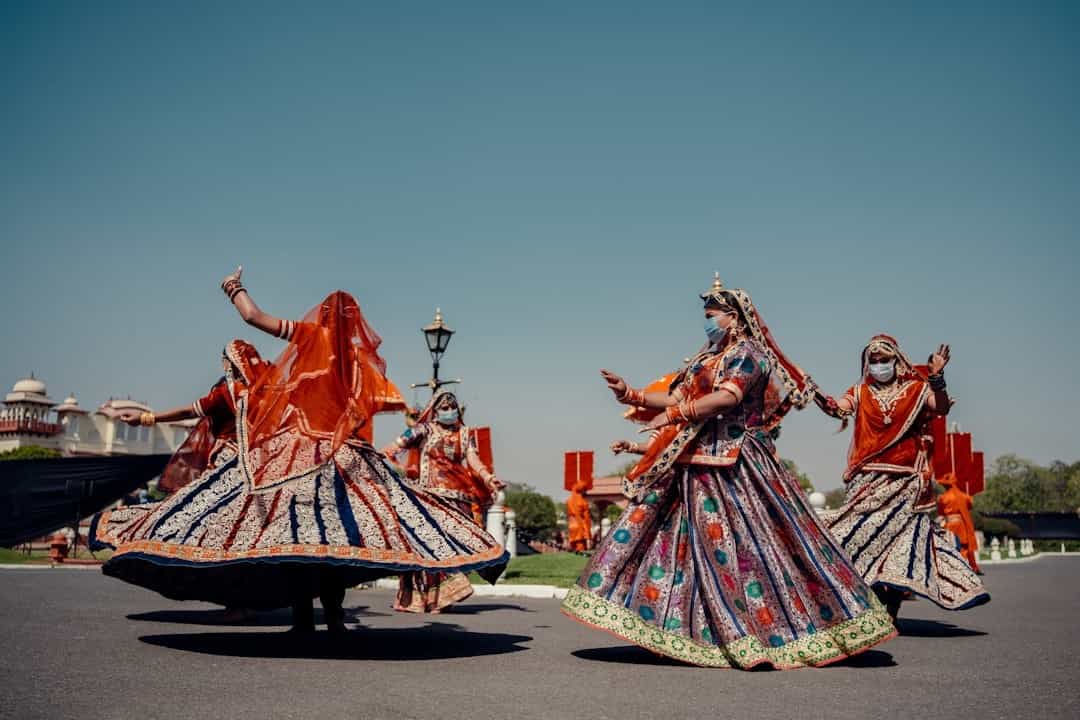
- Kumbhalgarh Festival — an annual cultural event with Rajasthani folk music, dance and local arts (usually held in the cooler months)
- Seasonal Light & Sound shows or special heritage programs organized by local authorities
Best Time to Visit
October to March — pleasant daytime temperatures, cool nights and clear skies; avoids the intense summer heat and heavy monsoon rains.
Weather Conditions
Hot summers (April–June), monsoon rains (July–September) can make trails slippery, and cool, dry winters (October–March). Carry layers for chilly early mornings/evenings in winter.
Entry Fees & Permits
Typical visiting hours are around 9:00 AM to 5:30–6:00 PM (confirm locally for exact timing). There is usually a nominal entry fee for the fort and separate charges for the Light & Sound show and sanctuary safaris; fees differ for Indian nationals and foreign visitors. Ticket counters and local tourism offices provide current rates.
Accessibility
The fort is accessible by road from major cities in Rajasthan. Nearest major airport: Udaipur (Maharana Pratap Airport) — approximately 1.5–2 hours by road depending on traffic. Regular bus and taxi services connect Kumbhalgarh with Udaipur, Jodhpur and other regional centers. Roads climb into hilly terrain; expect some walking to reach key viewpoints and interiors.
Recommended Duration
Plan 3–6 hours for a thorough visit to the fort; 1–2 days if you include wildlife sanctuary activities and nearby sights.
Clothing & Gear Tips
Comfortable walking shoes, sunhat and sunscreen, refillable water bottle, light breathable clothes for daytime and a warm layer for mornings/evenings in winter; comfortable trekking gear if you plan to walk long sections of the ramparts.
Local Food & Souvenirs
Try traditional Rajasthani dishes (dal bati churma, gatte ki sabzi, laal maas) at nearby eateries. Good souvenirs include local handicrafts, block-printed textiles, Rajasthani jewelry, miniature paintings and artifacts made by regional artisans.