Mandawa Havelis, Rajasthan
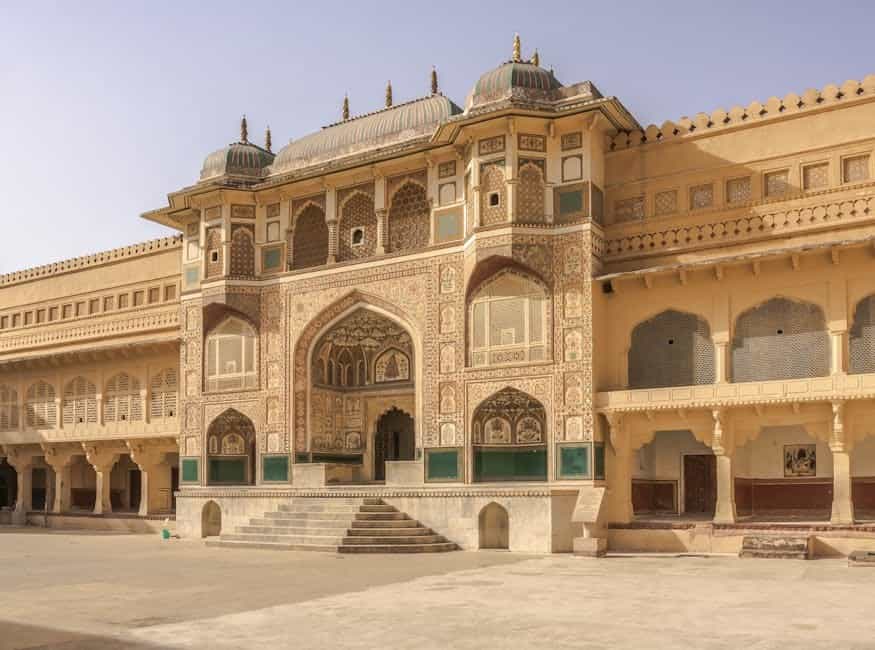
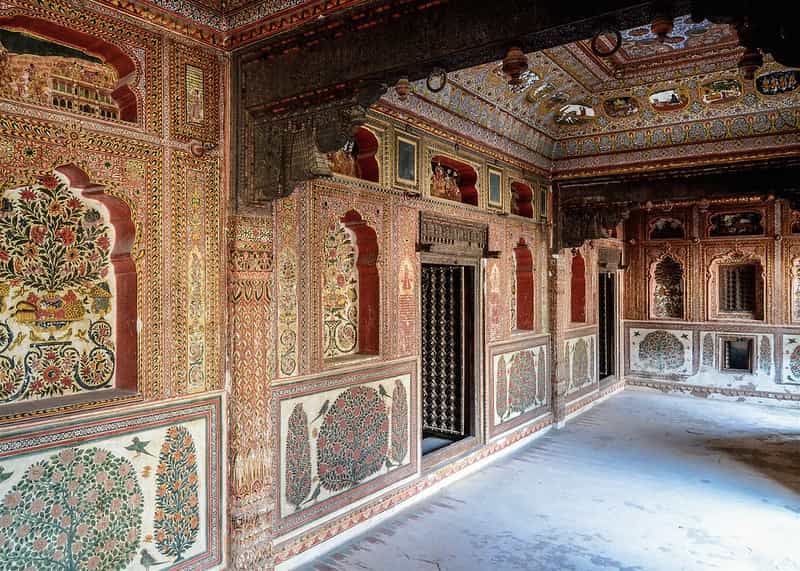
Mandawa Havelis are a celebrated cluster of richly painted merchant mansions in the Shekhawati region of Rajasthan. Built mainly during the 18th and 19th centuries by prosperous Marwari trading families, these havelis served as both residences and showcases of wealth and cosmopolitan taste. The site is considered an open-air art gallery for its extensive frescoes that document social history, religious themes, colonial encounters and mythological narratives—making it important for both cultural history and vernacular architecture studies.
Last updated: 23 Oct 2025
Historic Anecdotes
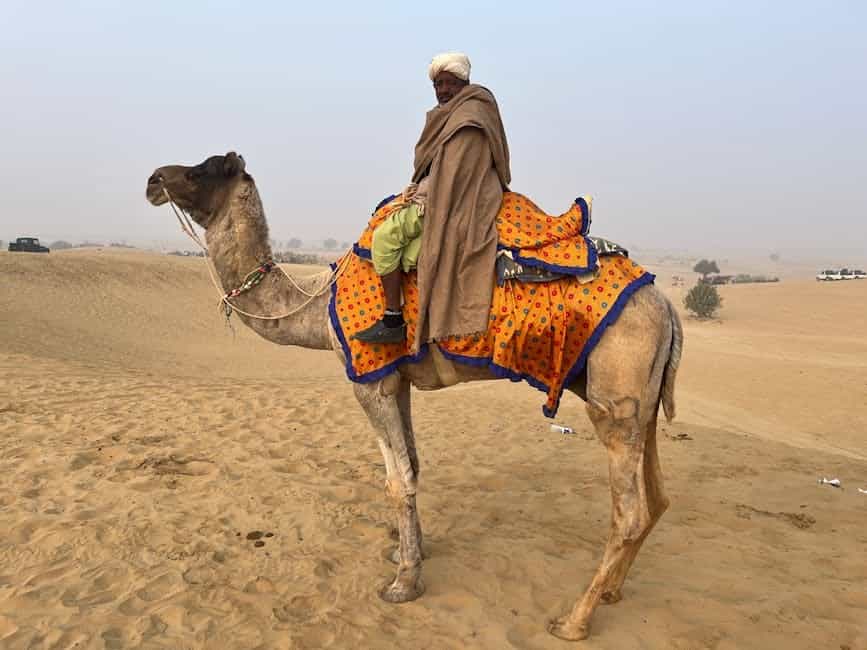
Legend & local lore: Stories abound of merchant families who made fortunes on camel caravan trade routes and invested in elaborate havelis to display their success. Many frescoes depict episodes from local folklore, epics like the Ramayana and Mahabharata, and humorous or moral scenes; some murals even show European motifs, steam engines and colonial-era fashions, reflecting the merchants' global connections.
Places to visit
- Mandawa Fort (a fortified haveli now operating partly as a heritage hotel)
- Goenka Double Haveli — famous for its elaborate frescoes and facade
- Murmuria Haveli — noted for detailed murals and ornate balconies
- Ladia (Gulab Rai) Haveli — fine woodwork and courtyard frescoes
- Cluster of painted lanes — streets lined with numerous smaller havelis showcasing varied styles
Unique Aspects
- Frescoes and murals depicting religious scenes, daily life, colonial influences and modern inventions of the time
- Ornate jharokhas (balconies), carved doors and courtyards characteristic of Shekhawati architecture
- Open-air gallery effect — havelis closely spaced along narrow lanes, ideal for photography
- Adaptive reuse — several havelis converted to guesthouses, cafes or museums allowing interior access
Things to do
- Walking and photography tours of the painted lanes and havelis
- Guided heritage walks to learn about fresco iconography, patrons and crafts
- Staying in a heritage hotel (converted haveli) for an immersive experience
- Shopping for local handicrafts such as miniature paintings, textiles, leatherwork and mojari shoes
- Day trips to nearby Shekhawati towns (e.g., Jhunjhunu, Nawalgarh) to see more painted havelis
Festivals & Events
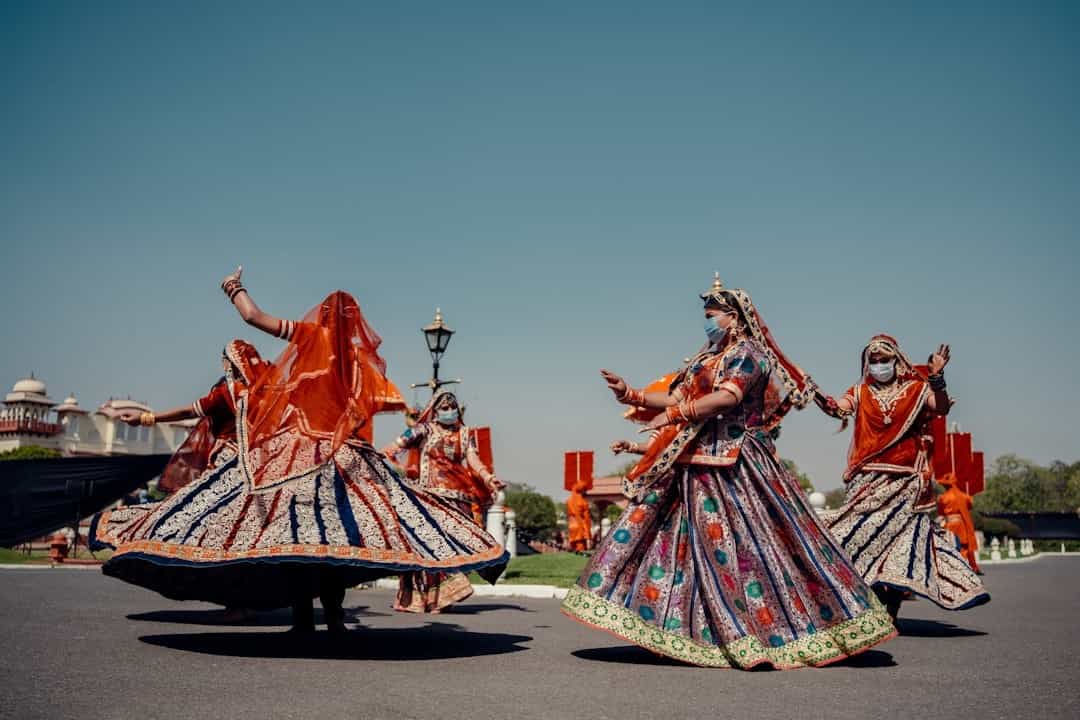
- Local religious festivals (Holi, Diwali, Teej) when towns are colorfully celebrated
- Seasonal cultural events and fairs in the Shekhawati region (check local listings for dates)
- Heritage walks and art trails organized periodically by local tourism groups and NGOs
Best Time to Visit
October to March — pleasant daytime temperatures and clear skies, ideal for walking and photography
Weather Conditions
Summers are very hot (April–June), monsoon brings brief rains (July–September), winters (November–February) are cool to chilly, especially mornings and evenings.
Entry Fees & Permits
Many havelis are viewable from the street for free. Some converted havelis, small museums or the Mandawa Fort may charge a modest entry fee and have visiting hours (commonly 08:00–18:00 or similar). Fees and timings vary by property—confirm locally before visiting interiors.
Accessibility
Mandawa is accessible by road from Jaipur and other Rajasthan cities. Nearest major airport: Jaipur International Airport (drive of a few hours). Nearest railway stations and distances vary—Jhunjhunu, Sikar or Jaipur serve as common railheads. Local buses, taxis and private cars are the usual ways to reach and move around Mandawa.
Recommended Duration
Half a day to 1 full day to explore Mandawa town thoroughly; 1–2 days if staying in a heritage hotel and visiting nearby Shekhawati sites.
Clothing & Gear Tips
Comfortable walking shoes, sun hat and sunscreen for daytime; warm layers in winter evenings. A small torch or phone flashlight can help when exploring dim interior courtyards.
Local Food & Souvenirs
Try Rajasthani specialties (dal-baati-churma, gatte ki sabzi, local sweets). Souvenirs: miniature paintings, embroidered textiles, block-printed fabrics, traditional jewelry and handcrafted mojari shoes.