Mehrangarh Fort, Rajasthan
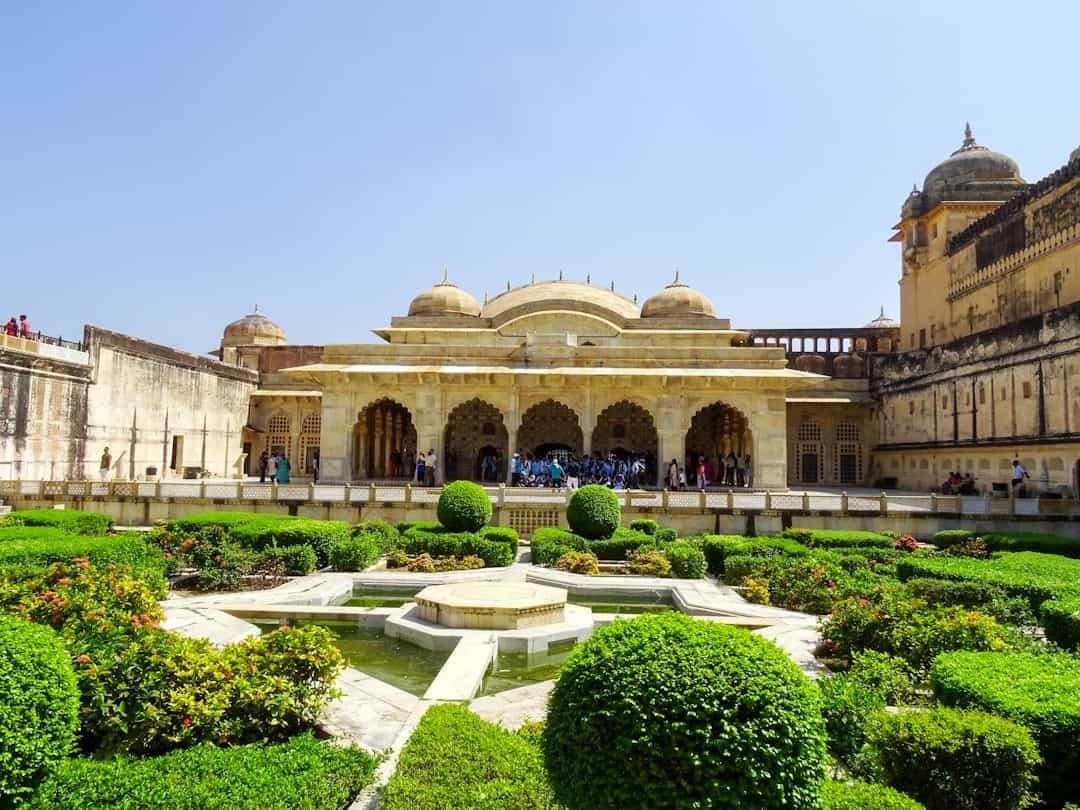
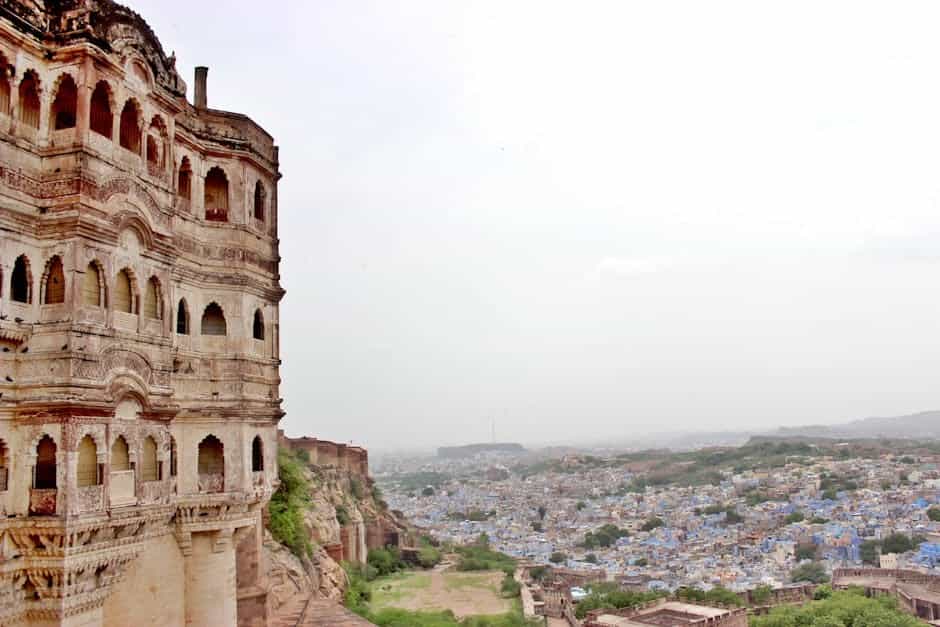
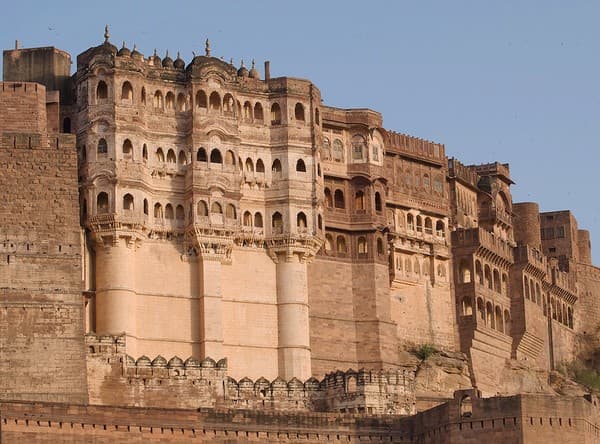
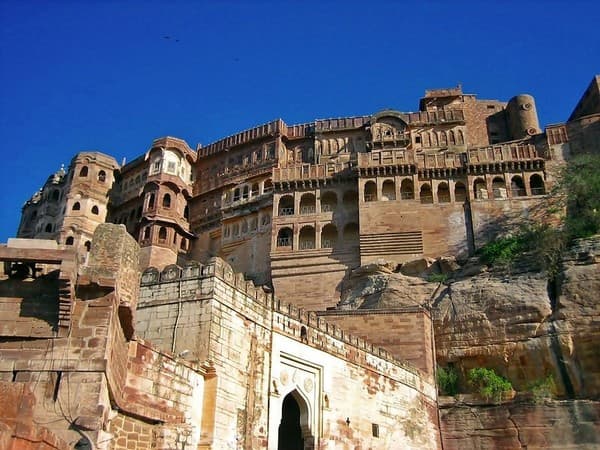
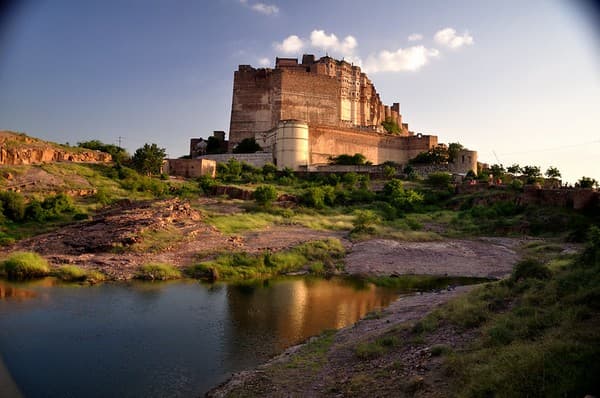
Mehrangarh Fort (the 'Fort of the Sun') is one of India's largest and most well-preserved hill forts. Founded by Rao Jodha in 1459, it crowns a 120-meter (≈410 ft) rocky promontory overlooking Jodhpur and exemplifies Rajput military architecture and courtly art. The fort complex contains palaces, expansive courtyards, a rich museum collection (arms, costumes, paintings, palanquins), and offers panoramic views of the old city — famously known as the 'Blue City'. Mehrangarh also played a central role in Marwar's political and cultural history and remains a living heritage site where traditional crafts, music, and rituals continue.
Last updated: 31 May 2026
Historic Anecdotes
Local tradition tells of Rao Jodha seeking the blessing of the hermit Cheeria Nathji (a shrine still nearby) before building the fort; the hermit's approval and subsequent protection are integral to the fort's origin story. Another well-known local legend concerns the sacrifices and hardships of workers and communities during construction and early sieges — many oral accounts and memorials around the fort reflect these narratives. Visitors will also hear tales of royal intrigue, warrior bravery, and the fort's role in regional power struggles over centuries.
Places to visit
- Mehrangarh Museum — rich displays of royal costumes, arms, paintings, and palanquins
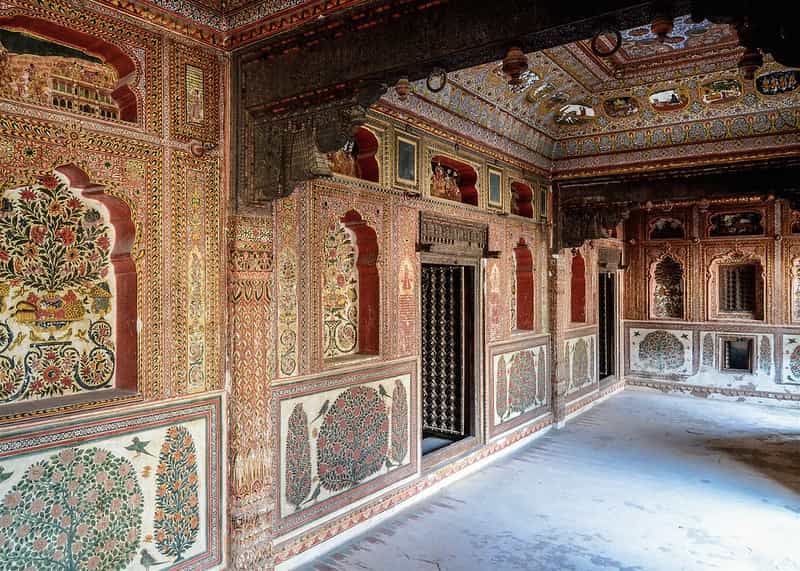
- Phool Mahal, Sheesh Mahal, Moti Mahal and other ornate palace chambers
- Chamunda Mataji Temple (active shrine inside the fort)
- Panoramic views of Jodhpur's Blue City from the fort battlements
- Rao Jodha Desert Rock Park at the base of the fort (restored native habitat)
- Jaswant Thada (nearby marble cenotaphs) — often visited together with the fort
Unique Aspects
- Massive sandstone walls and towering ramparts with dramatic defensive architecture
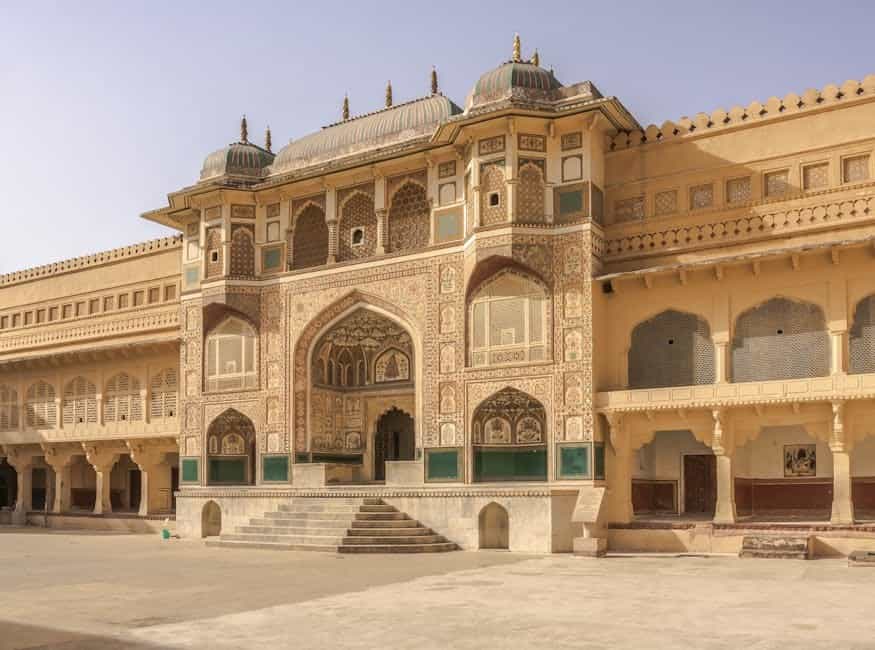
- Intricate stone-carving, latticed windows (jharokhas) and painted interiors in palace chambers
- Well-curated museum with rare royal objects: palanquins, turbans, musical instruments, armor
- Courtyards and layered terraces providing multiple vantage points for city views and photography
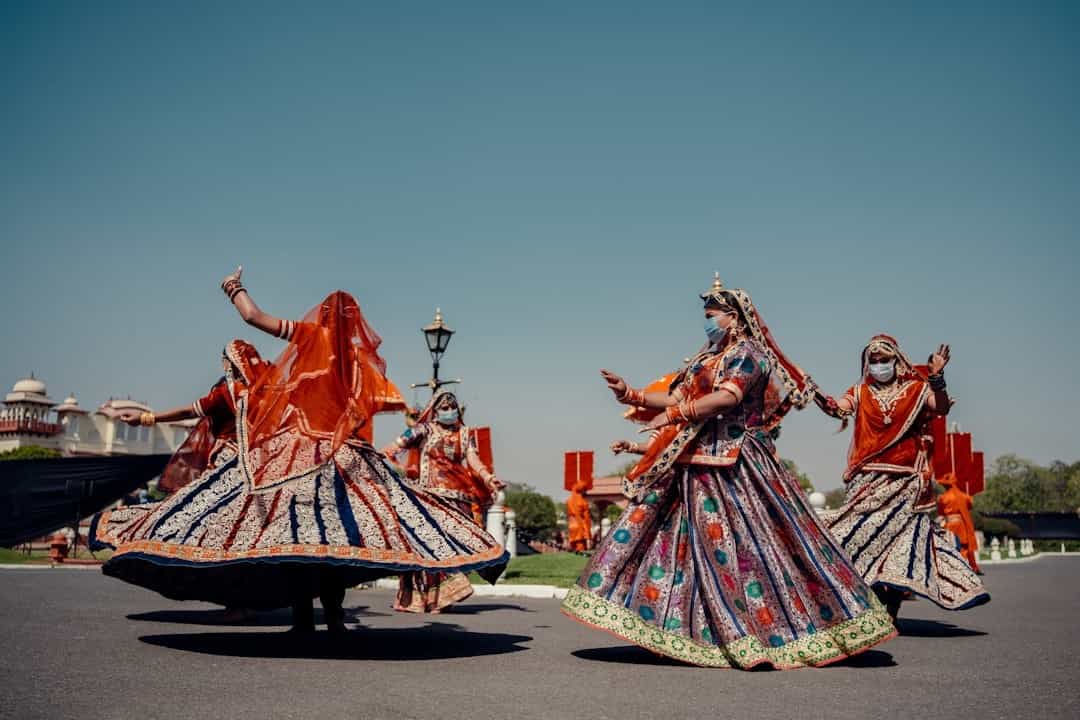
- Regular cultural performances and festivals staged in the fort precincts
- Commercial adventure experiences (zipline runs from cliffs) operating in the vicinity
Things to do
- Self-guided exploration of palaces, galleries and courtyards
- Guided tours and multilingual audio guides (recommended for historical context)
- Attend evening or special cultural performances when scheduled
- Photography and sunset viewing from battlements
- Visit the Mehrangarh Museum collections and temporary exhibitions
- Walk the Rao Jodha Desert Rock Park trails at the fort's base
- Shopping for local crafts and textiles in the bazaars near the fort (Sardar Market / Clock Tower area)
Festivals & Events
- Rajasthan International Folk Festival (RIFF) — major annual music & cultural festival often held at Mehrangarh (typically October)
- Occasional World/Local sacred-music and cultural festivals staged in the fort grounds
- Special museum exhibitions, evening concerts and heritage events tied to city celebrations
Best Time to Visit
October to March — pleasant weather, ideal for sightseeing and attending outdoor events. Avoid the peak summer months if possible.
Weather Conditions
Summers (April–June): very hot (often 35–45°C). Monsoon (July–September): occasional rain, reduced dust but some cloud cover. Winters (December–February): cool to mild (5–25°C) and comfortable for sightseeing.
Entry Fees & Permits
The fort is a paid heritage attraction with separate charges for fort entry, museum access, and optional audio guides. Typical opening hours are around 09:00–17:00 (may extend to early evening for special events); last entry usually 30 minutes before closing. Fee structures vary for Indian citizens, foreign visitors, children, and for add-ons (audio guide, camera). Recommendation: check the official Mehrangarh Fort website or contact the fort for current fees, timed-entry or event-ticketing before travel.
Accessibility
Nearest airport: Jodhpur Airport (JDH) — ~10–15 km; Nearest major rail: Jodhpur Junction — ~5 km. The fort is reachable by taxi, auto-rickshaw or private vehicle; there is a motorable road to the main entrance and parking nearby. Note that the complex has steep paths, many steps and uneven surfaces; some areas have ramps but overall access is limited for wheelchairs and visitors with reduced mobility—advanced planning and on-site assistance is advisable.
Recommended Duration
Plan 2–4 hours for a relaxed visit (including museum, key palaces, viewpoints). Allow more time if attending a festival or guided tour.
Clothing & Gear Tips
Comfortable walking shoes, sun hat, sunscreen and water in hot months; light layers or a jacket for winter mornings/evenings. Dress modestly when visiting temple areas inside the fort.
Local Food & Souvenirs
Try Jodhpur specialties such as mirchi vada, mawa kachori, dal-bati-churma and local lassis. Souvenirs: Bandhani and block-printed textiles, blue pottery, handcrafted jewelry, miniature paintings, traditional Rajasthani puppets and locally made leather or metal crafts. Buy from trusted shops or the museum store for quality and authenticity.