Naganecha Mata Temple (Nagalakha), Rajasthan
Naganecha Mata Temple (Nagalakha) is an important local pilgrimage site in Rajasthan dedicated to Naganecha Mata, a regional form of the mother goddess revered for protection and local prosperity. The temple functions as a focal point for village religious life and community gatherings, reflecting Rajasthan's living folk-religion traditions and devotional practices.
Last updated: 23 Oct 2025
Historic Anecdotes
Local legend holds that the goddess appeared to a villager (often described as a shepherd or farmer) to protect the settlement from danger — commonly snakes, drought or raiders — and that a shrine was raised where her presence was first felt. Each village version of the tale emphasizes the goddess's protective role; devotees attribute answered prayers, healing and safe childbirth to Naganecha Mata.
Places to visit
- Sanctum of Naganecha Mata — the main shrine and idol where devotees offer prayers
- Annual fair (mela) — a colorful local festival with stalls, devotional singing and rituals
- Traditional morning and evening aarti ceremonies
- Scenic vantage points around the temple (if hilltop) offering local landscape views
Unique Aspects
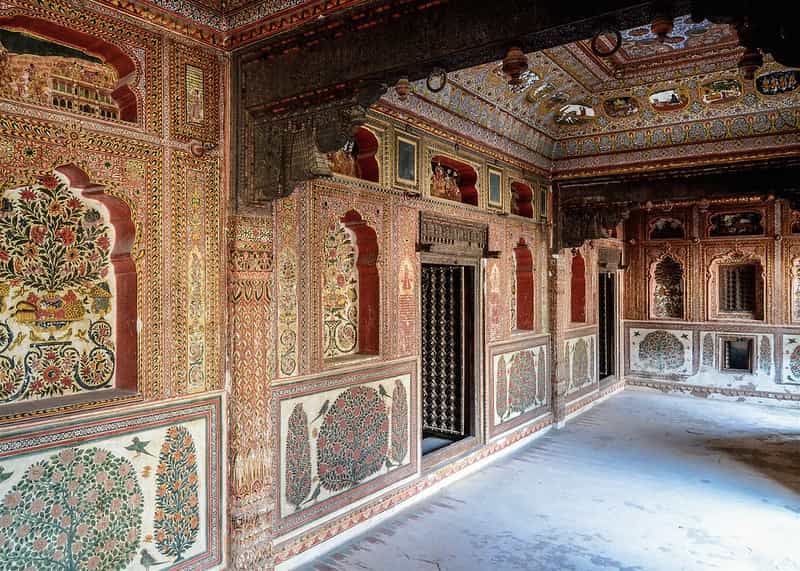
- Folk-style Rajasthani temple architecture and decorative elements
- Iconography and offerings linked to serpent motifs and mother-goddess symbolism
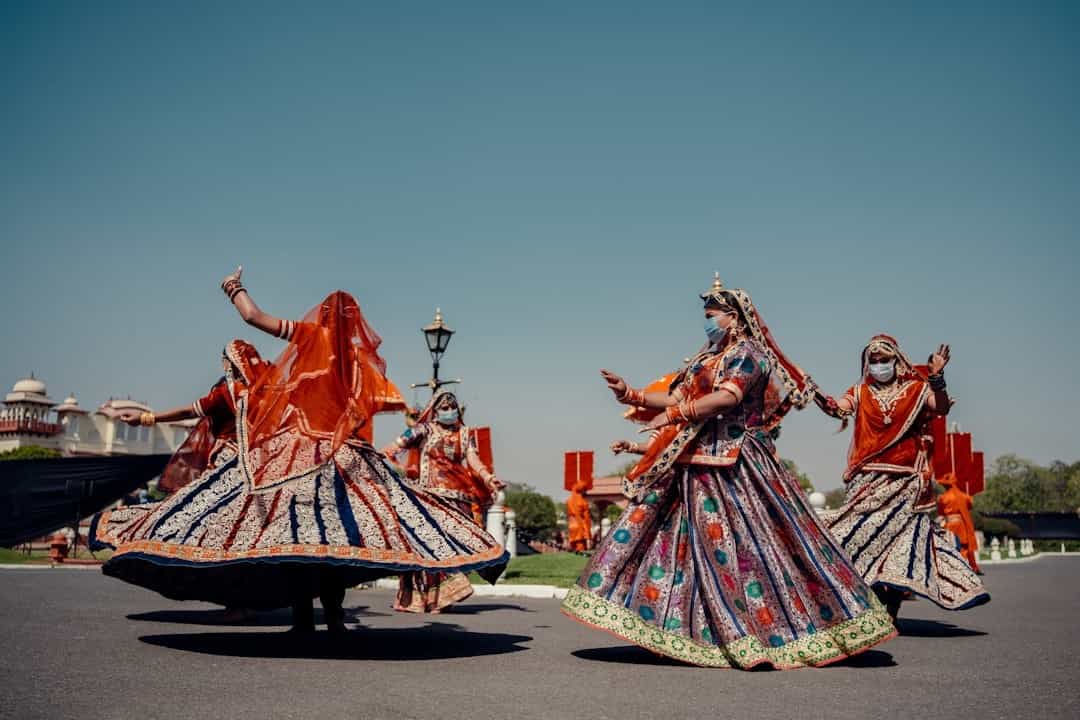
- Vibrant local devotional music and community rituals during festival days
- Opportunities to observe and participate in living village traditions
Things to do
- Perform darshan and offer traditional prasad (offerings)
- Attend morning or evening aarti and participate in bhajans (devotional songs)
- Join local rituals and speak with priests or elders about temple stories
- Photograph temple details and local life (ask permission before photographing people)
- Short walks or light trekking if the shrine is on a hill or rise
Festivals & Events
- Navratri (spring and autumn) — the most important celebration with special pujas and large crowds
- Village mela (annual fair) — market stalls, food, folk performances and processions
- Local ritual days such as special puja anniversaries or harvest-related festivities
Best Time to Visit
October–March for pleasant weather; Navratri (April and October) for the most vibrant religious experience.
Weather Conditions
Rajasthan's climate: hot summers (April–June), monsoon season (July–September) with variable rainfall, and cool to mild winters (November–February). Pack sun protection for daytime visits and a light layer for winter mornings/evenings.
Entry Fees & Permits
Most village temples are free to enter. Typical opening hours are early morning until midday and late afternoon to evening (for example, ~05:00–12:00 and ~16:00–21:00) — confirm locally as times vary by shrine and season.
Accessibility
Usually accessible by road from the nearest town or district headquarters; approach often requires travel on smaller rural roads. Public transport may be limited — hiring a car or using local taxis/jeeps is common. Nearest railway station and airport will be located in the district or regional city — check current maps and local travel advice.
Recommended Duration
A half-day to full-day visit suffices for darshan, enjoying the surroundings and attending rituals; plan an overnight stay if you visit during a festival or want to explore nearby villages.
Clothing & Gear Tips
Wear modest clothing respectful of local customs (cover shoulders and knees). Comfortable closed or sturdy shoes for steps or uneven ground, sunhat, sunscreen, and a water bottle. Bring a light shawl for cool mornings/evenings.
Local Food & Souvenirs
Try local Rajasthani snacks and sweets (often available at mela stalls) and purchase handicrafts, embroidered textiles or small religious souvenirs from village vendors. Prasad (blessed food) from the temple is commonly shared among devotees.