Osian Temples, Rajasthan
Osian is an ancient town in the Jodhpur district of Rajasthan, often called the 'Khajuraho of Rajasthan' due to its finely carved Hindu and Jain temples dating from the 8th to 12th centuries CE. The temples are significant for their architectural synthesis of North Indian Nagara style and early medieval temple art, showcasing exceptional stone carving, iconography, and sculptural detail. Osian served historically as an important center on trade routes and as a religious and cultural hub in the Marwar region, reflecting the region's religious pluralism with coexisting Shaiva, Vaishnava and Jain monuments.
Last updated: 23 Oct 2025
Historic Anecdotes
Legend says that Osian (originally known as Uvasis) was founded by the Hindu sage Uvas, and another local tradition links the town to the Jain tirthankara's visits. A popular local legend tells of a miraculous appearance of the goddess Sachiya Mata, who is still worshipped in Osian; devotees believe the deity protected the region from invasions. There are also tales about the temples surviving desert sands and frequent raids, preserving sculptures that reflect the syncretic culture of medieval Rajasthan.
Places to visit
- Sachiya Mata Temple (8th–11th century) — renowned for its architectural grandeur and the living goddess tradition
- Mahavira Temple (Jain, 11th century) — an exquisite example of Jain stone carving with detailed toranas and interior panels
- Surya (Sun) Temple ruins — remnants reflecting solar worship and Nagara-style architecture
- Modhera-style and others: Small clusters of Hindu and Jain shrines across the archaeological complex
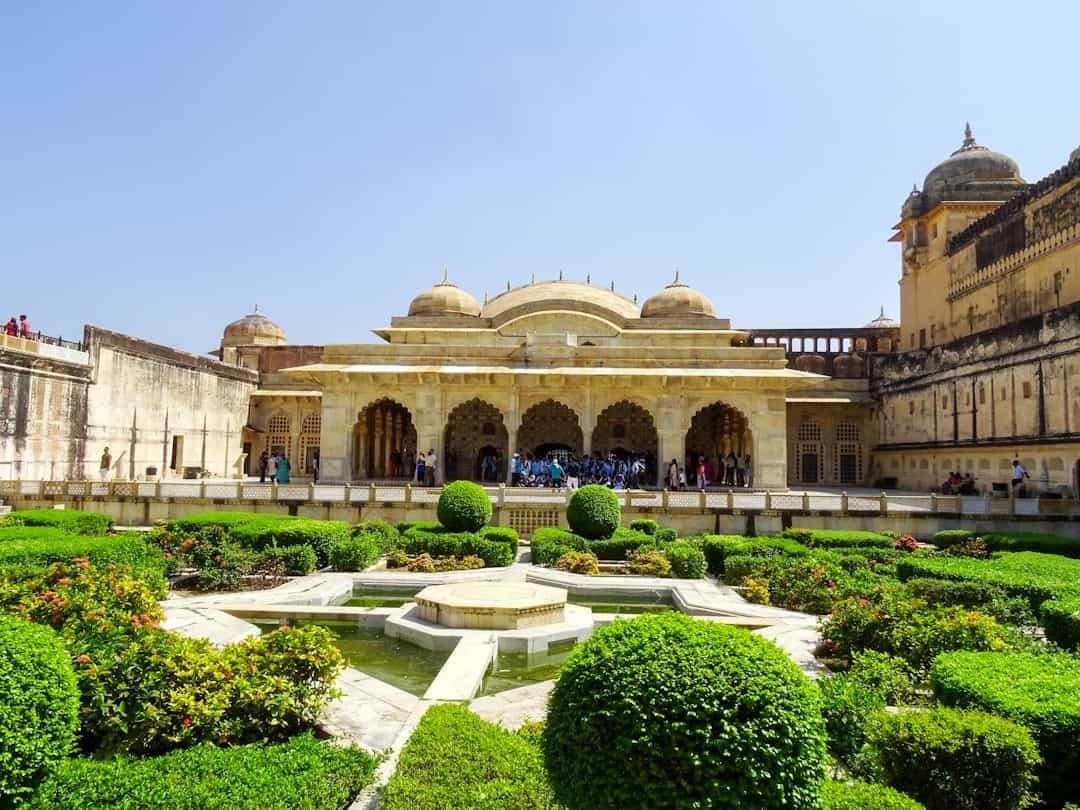
- Temple complex view at sunset — dramatic desert backdrop
Unique Aspects
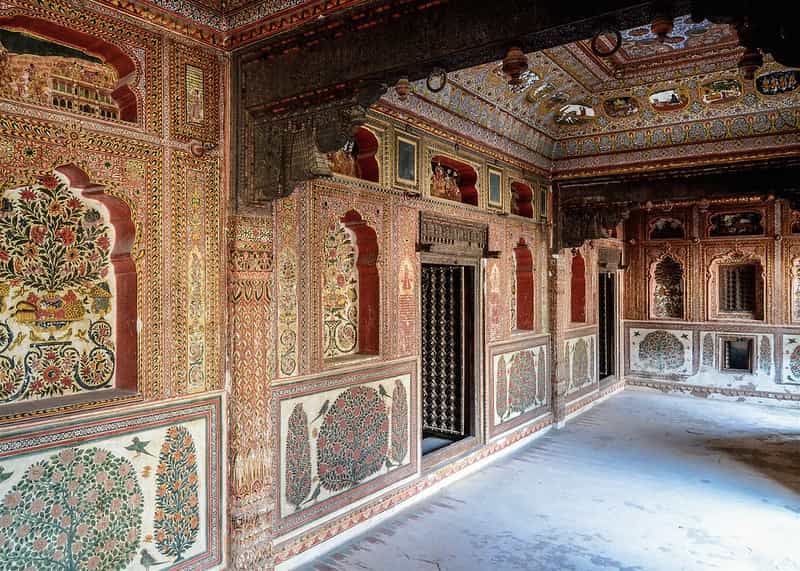
- Intricate stone carvings with erotic, mythological and floral motifs similar to Khajuraho
- Blend of Shaiva, Vaishnava and Jain iconography within a compact site
- Sandstone construction produces warm hues at dawn and dusk — excellent for photography
- Relatively unspoiled, less-crowded atmosphere compared with major tourist sites
- Artifacts and sculptural fragments visible in situ — showing temple evolution from 8th–12th centuries
Things to do
- Guided walks through the temple complex focusing on architecture, iconography and history
- Photography at sunrise or sunset to capture warm sandstone tones and desert vistas
- Attend morning or evening aarti at Sachiya Mata Temple (experience of living worship)
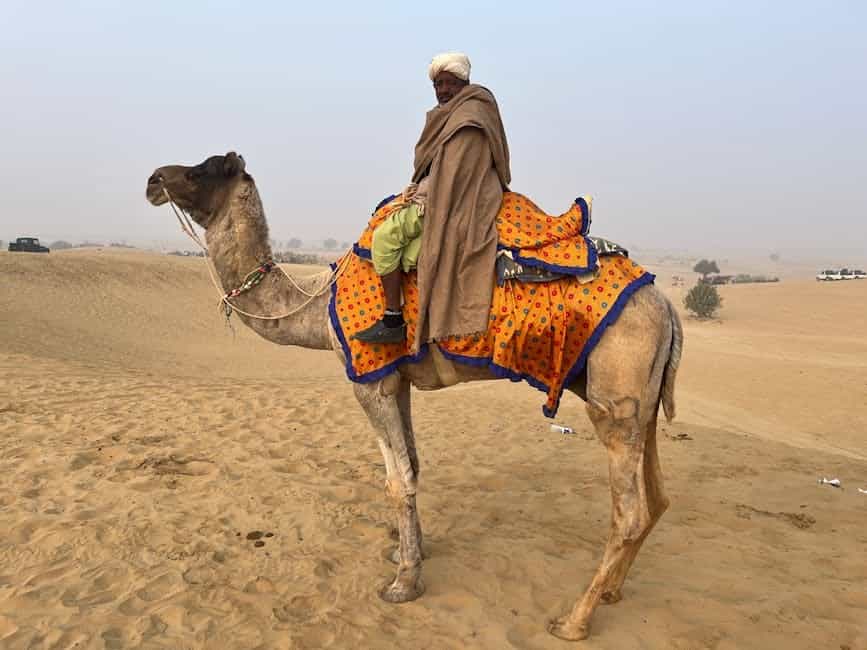
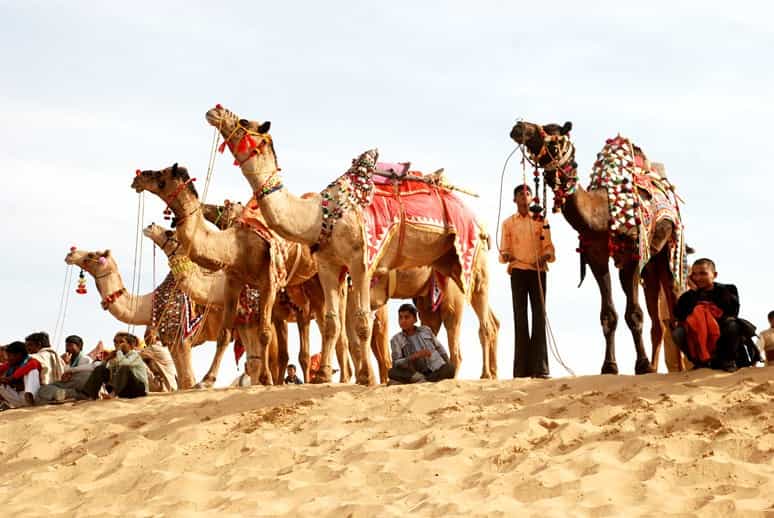
- Exploring nearby sand dunes and village life around Osian for cultural immersion
- Combine with a day trip from Jodhpur or include in a desert/Heritage circuit
Festivals & Events
- Navratri celebrations at Sachiya Mata Temple — vibrant local rituals and fairs
- Diwali and local Hindu festivals — special pujas and increased visitor activity
- Jain festival days (Paryushana/Mahavir Jayanti) at the Mahavira Temple — pilgrimage gatherings
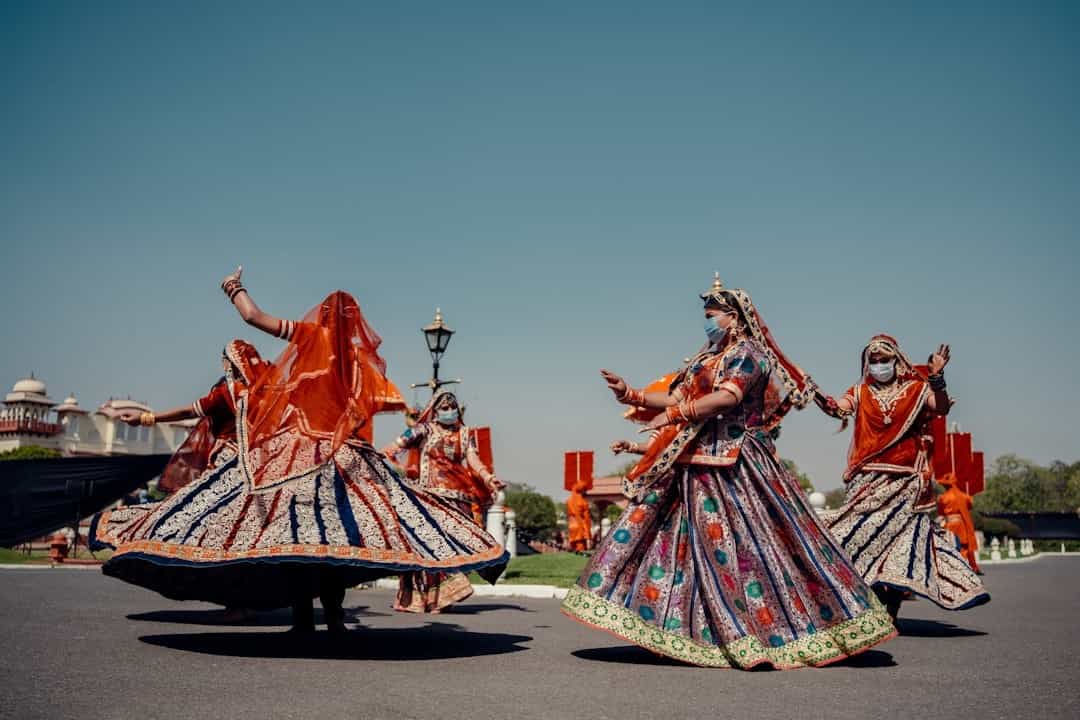
- Occasional cultural fairs and Rajasthani folk performances in the village
Best Time to Visit
October to March — cooler winter months ideal for comfortable touring and photography; avoid the extreme summer months (April–June).
Weather Conditions
Typical desert climate: hot summers (April–June) with temperatures often exceeding 40°C; cool winters (December–January) with temperatures that can drop to 5–10°C at night. Monsoon (July–September) brings scanty rainfall.
Entry Fees & Permits
Many of the temple complexes in Osian are on open archaeological sites with minimal or no entry fee for the general area; individual temple donations are customary at the living Sachiya Mata Temple. Typical visiting hours are sunrise to sunset; the living temples may have a schedule for aarti and specific darshan hours. Check locally for any guided-tour fees or charges by ASI if parts are under conservation.
Accessibility
Osian is about 65 km north of Jodhpur on NH 62 and easily reachable by road. Nearest major airport and railhead: Jodhpur (approx. 1.5 hours by car). Local buses, taxis and private cars are available from Jodhpur; the site involves walking on uneven sandstone surfaces and small steps, so moderate mobility is required. Limited amenities on-site; basic shops and eateries in the village.
Recommended Duration
A half-day to one-day visit is sufficient to explore the main temples and nearby dunes; combine with Jodhpur for a full-day or overnight stay for relaxed exploration.
Clothing & Gear Tips
Light, breathable clothing and a wide-brimmed hat for daytime; warm layers for winter mornings/evenings. Comfortable walking shoes, sunscreen, sunglasses, and a reusable water bottle are advisable. Modest dress is recommended at active worship sites.
Local Food & Souvenirs
Taste Rajasthani snacks and sweets in Osian or Jodhpur (kachori, dal bati churma, ghevar). Souvenirs include local handicrafts: block-printed textiles, camel leather goods, miniature paintings, carved stone replicas, and terracotta items. Support local artisans and buy from reputable stalls.