Patwon Ki Haveli, Rajasthan
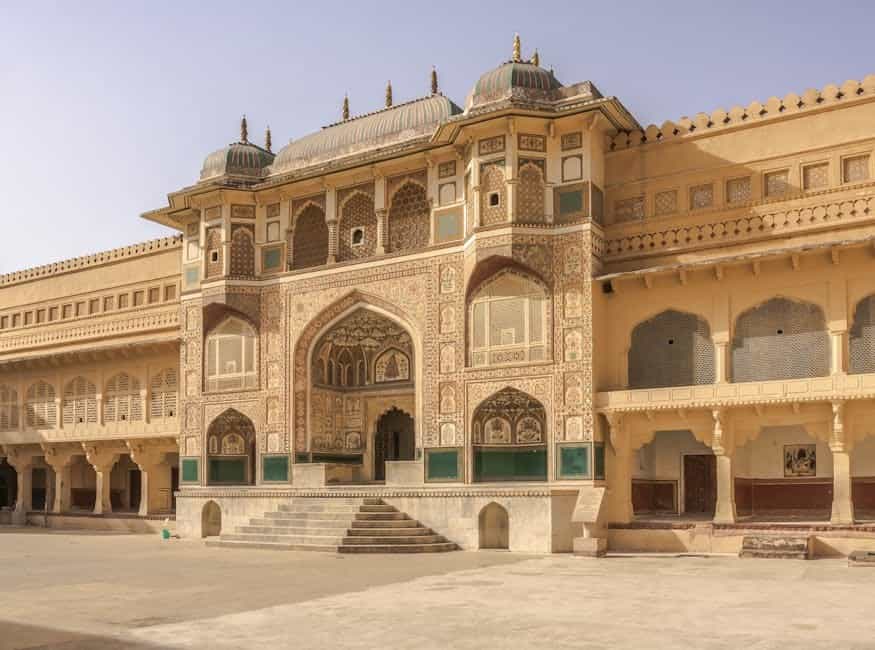
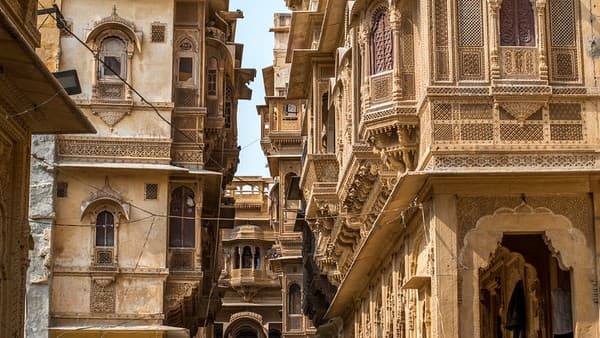
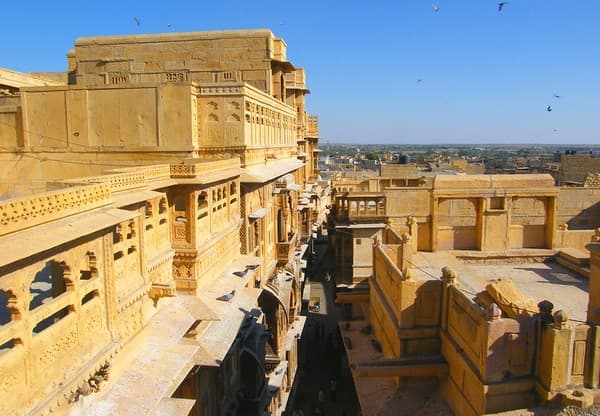
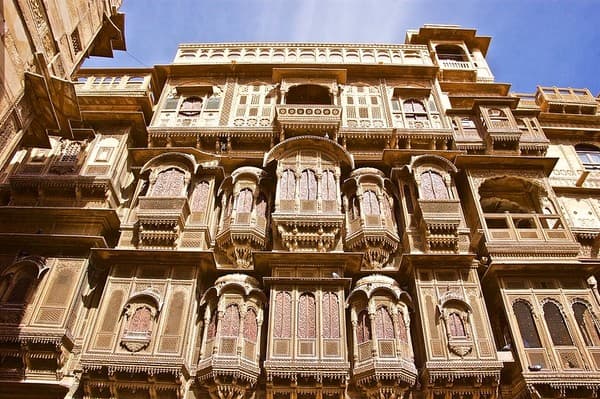
Patwon Ki Haveli is one of the most important and largest haveli complexes in Jaisalmer's old city. Built by the wealthy Patwa merchant family in the early-to-mid 19th century, it showcases the prosperity of trading communities that flourished along desert trade routes. The complex demonstrates exceptional Rajasthani craftsmanship—intricately carved sandstone facades, ornamental balconies (jharokhas), detailed pillars and fresco work—making it a valuable example of desert-town architecture and social history.
Last updated: 31 May 2026
Historic Anecdotes
Local lore speaks of the Patwa family’s rise from traders to patrons whose fortunes were reflected in the five adjoining havelis. Stories describe hidden rooms, secret stairways and the lavish lifestyle of merchant families; guides often share tales about the painstaking hand-carving and how each haveli represented a different branch of the family.
Places to visit
- Ornate façades and carved sandstone exteriors
- Elaborate jharokhas (overhanging balconies) and carved pillars
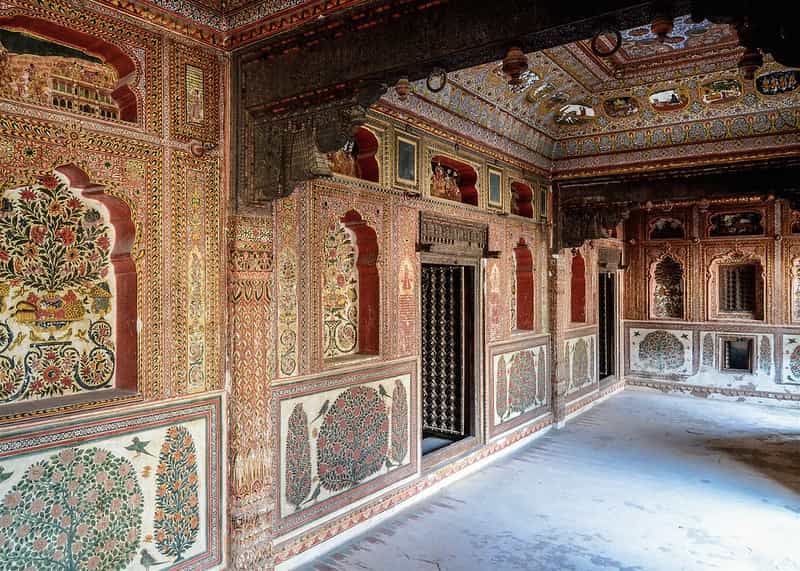
- Intricate mirror-work and frescoed interiors
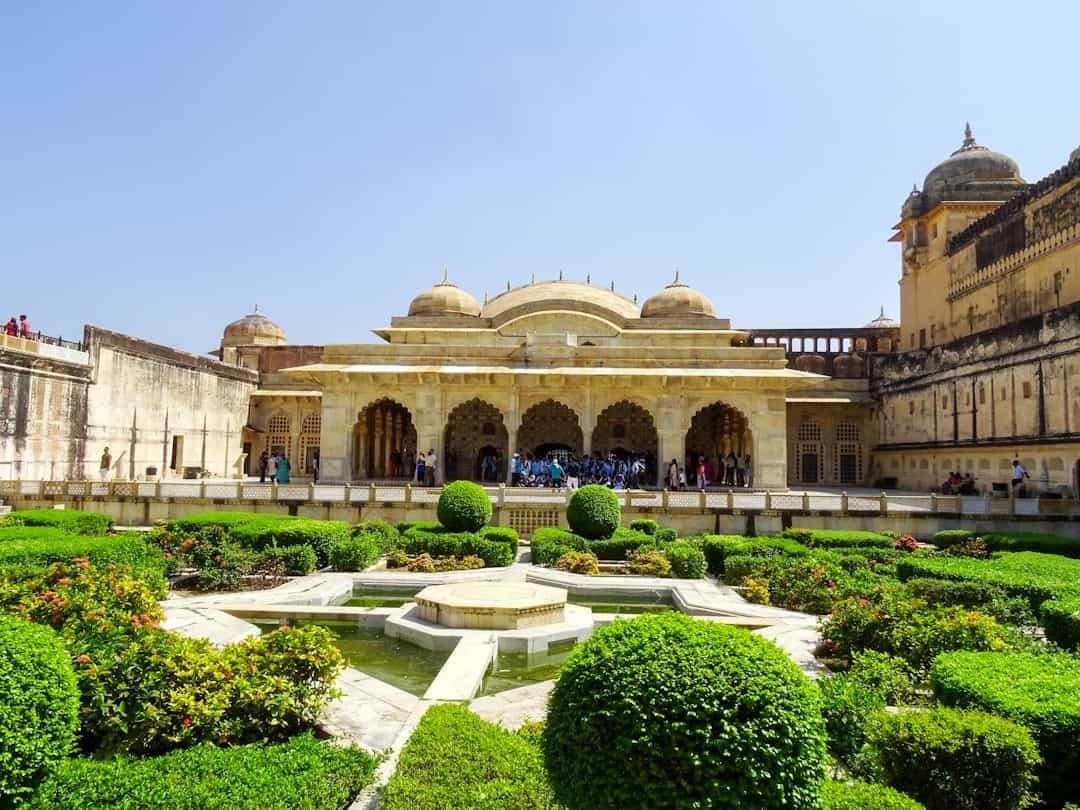
- Multiple courtyards and narrow interconnected rooms
- Small on-site museum and display of antiques, weapons, textiles and artifacts
- Rooftop viewpoints offering panoramas of the old city and nearby Jaisalmer Fort
Unique Aspects
- Exemplary sandstone carvings and filigree work unique to Jaisalmer artisans
- Compact cluster of five havelis showing variations in style and scale
- Many small shops selling traditional handicrafts and textiles within the complex
- Atmosphere of the winding lanes of Jaisalmer’s old town surrounding the haveli
Things to do
- Guided or self-guided tours around havelis to study carvings and architecture
- Photography of façades, courtyards and rooftop vistas (observe camera rules)
- Browsing and shopping for Rajasthani handicrafts, textiles, leather goods and miniatures
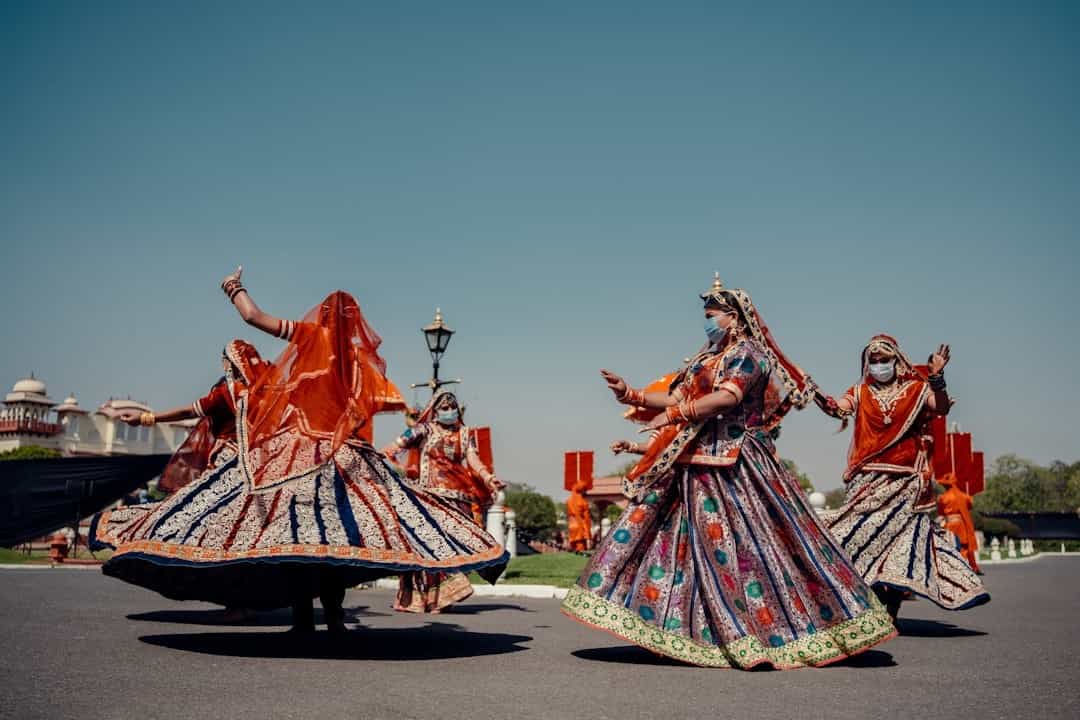
- Short cultural performances or impromptu music/dance in nearby courtyards (seasonal)
- Combine visit with a walk to Jaisalmer Fort and nearby museums
Festivals & Events
- Jaisalmer Desert Festival (February) — nearby city-wide cultural displays and performances
- Local fairs and religious festivals (Diwali, Teej) when the old city is lively
- Occasional heritage walks and heritage-tour events organized by local groups
Best Time to Visit
October to March — pleasant daytime temperatures and clear skies; avoid extreme summer heat (April–June) and rare monsoon disruptions (July–September).
Weather Conditions
Hot arid desert climate: very hot summers, mild to cool winters, and low but occasional rainfall; strong sun and possible dusty winds.
Entry Fees & Permits
Typical opening hours are around 9:00 AM to 6:00 PM, with a modest entry fee and sometimes an additional camera fee. Fees and timings change—check locally or online before visiting.
Accessibility
Located in Jaisalmer's old town close to the Fort. Nearest rail/road access: Jaisalmer Railway Station and bus stands in town; Jaisalmer has a small domestic airport (flights limited). The lanes are narrow and uneven—limited wheelchair access and not ideal for large vehicles. Best explored on foot; allow time for short uphill or stone-step sections.
Recommended Duration
1–2 hours to see the main havelis and rooftop views; combine with Fort and nearby attractions for a half-day or full-day outing.
Clothing & Gear Tips
Light, breathable clothing in summer; warm layers at night in winter. Comfortable walking shoes, sunscreen, hat, sunglasses, and a scarf to protect from dust or sun.
Local Food & Souvenirs
Try Rajasthani specialties such as dal-baati-churma, ker sangri, gatte ki sabzi and local sweets. Good souvenirs include hand-embroidered textiles, block-printed fabrics, camel leather goods, silver jewellery, miniature paintings and wooden carvings.