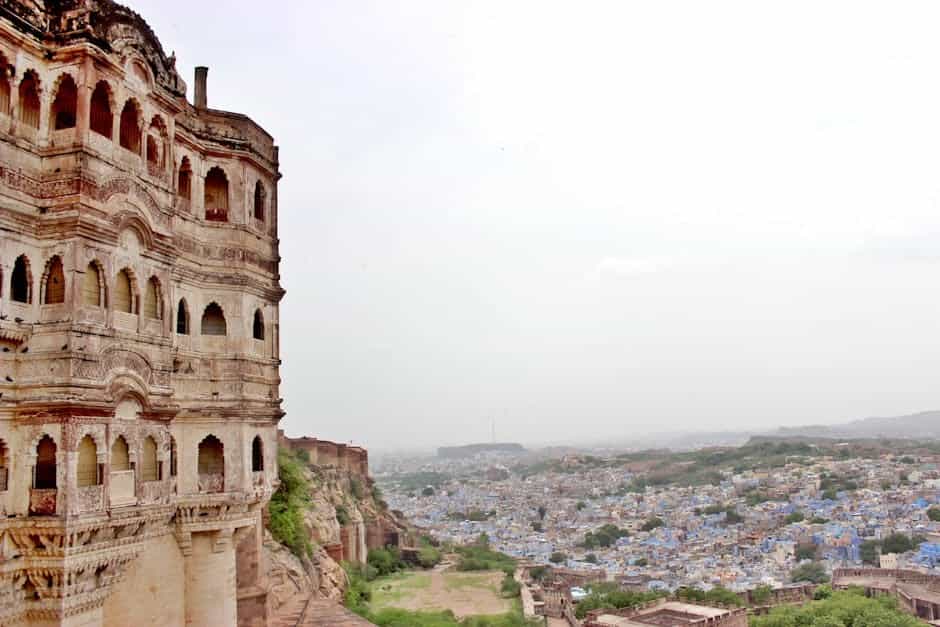
Ranakpur Jain Temple, Rajasthan
Ranakpur Jain Temple (15th century) is one of the most important and architecturally outstanding Jain temples in India. Dedicated to Tirthankara Adinatha (Rishabhanatha), it represents the apex of medieval Jain marble architecture in the Aravali foothills of Rajasthan. The complex is a major pilgrimage site for Digambara Jains and a key cultural monument showcasing Rajasthan's syncretic patronage — reportedly supported by the Rajput ruler Rana Kumbha and a wealthy Jain patron. The temple is noted for its devotional significance, artistry, and the way it integrates sacred geometry, proportion and delicate carving.
The location in a wooded valley adds natural serenity and a scenic backdrop that enhances spiritual atmosphere.
Last updated: 23 Oct 2025
Historic Anecdotes
Legend says a Jain trader, Dharna Shah, had a divine vision of Lord Adinatha instructing him to build the temple; the ruler Rana Kumbha reportedly provided protection and resources for its construction. Another popular belief highlights the miraculous craftsmanship — that no two of the 1,444 pillars are alike — and that artisans worked with devotion guided by spiritual inspiration. Local lore also recounts that the design contains symbolic references to Jain cosmology and auspicious motifs hidden in the carvings.
Places to visit
- Chaumukha (Four-faced) Temple — the primary sanctum dedicated to Adinatha with four facing idols and multiple mandapas
- 1,444 Marble Pillars — intricately carved pillars supporting halls and domes, reputedly all different
- Main Assembly Halls (Mandapas) — a complex of interconnected pillared halls with ornate ceilings and domes
- Central Shrine (Garbhagriha) — the sanctum with the principal idol of Adinatha
- Detailed marble carvings: floral motifs, mythical animals, dancers and geometric patterns
- Surrounding landscape and approach — a serene valley setting in the Aravalli foothills
Unique Aspects
- Every pillar unique — exceptional stone-carving variety and detail
- Complex dome and ceiling work — delicate carvings, fine proportions and light play
- Use of white marble and open-pillared architecture creating airy, luminous interiors
- Symbolic and devotional iconography reflecting Jain theology and cosmology
- High degree of preservation for a medieval monument with functioning temple rituals
Things to do
- Guided or self-guided exploration of the main temple complex and pillared halls
- Photography of exterior and permitted interior areas (respecting restrictions)
- Observing or participating in Jain rituals and aarti (when scheduled)
- Short nature walks in the surrounding valley and nearby viewpoints
- Visiting nearby Jain shrines and small museums or interpretation centres (if available)
Festivals & Events
- Mahavir Jayanti — major Jain festival celebrated with special prayers and gatherings
- Paryushan/Daslakshana — important Jain observances when devotees visit temples
- Local religious observances tied to the Jain community calendar and occasional cultural events
Best Time to Visit
October to March (cool, pleasant weather) — mornings and late afternoons recommended for best light and comfort.
Weather Conditions
Hot summers (April–June), monsoon showers (July–September) with occasional heavy rain, and mild-to-cool winters (October–February). Carry sun protection in summer and a light jacket in winter mornings/evenings.
Entry Fees & Permits
Temple generally opens early morning to early evening (typical hours around 06:00–18:00 but may vary). Entry for devotees is traditionally free or donation-based; a small camera or photography fee may be charged. Check locally for current timings, fees and any dress-code notices.
Accessibility
Located in Ranakpur village near Sadri in the Pali/Udaipur region of Rajasthan. Nearest major airport: Udaipur (approx. 90–100 km). Nearest railway stations: Falna or Abu Road (distances vary by route; Falna is the closer small station, with road links from Udaipur, Jodhpur and Ahmedabad). The temple is accessible by road; expect a 2–3 hour drive from Udaipur depending on traffic. Limited facilities for mobility-impaired visitors — contact local authorities or temple management for assistance.
Recommended Duration
Plan 1–3 hours to explore the temple complex, absorb the art and enjoy the surroundings; allow more time if attending rituals or visiting nearby attractions.
Clothing & Gear Tips
Dress modestly (shoulders and knees covered). Shoes must be removed before entering sanctum areas — carry socks or a small cloth to sit on if needed. Bring sun protection (hat, sunscreen) in summer and a light layer for cool mornings. Comfortable walking shoes for approach paths.
Local Food & Souvenirs
Nearby stalls and small eateries offer local Rajasthani snacks; larger meals are available in nearby towns (Sadri, Falna, Udaipur). Typical regional items include dal baati churma, kachori and sweets. Souvenirs: marble carvings/replicas, Jain religious items, local handicrafts and textiles. Buy from reputable shops to ensure authentic craft items.