Ranthambore National Park, Rajasthan
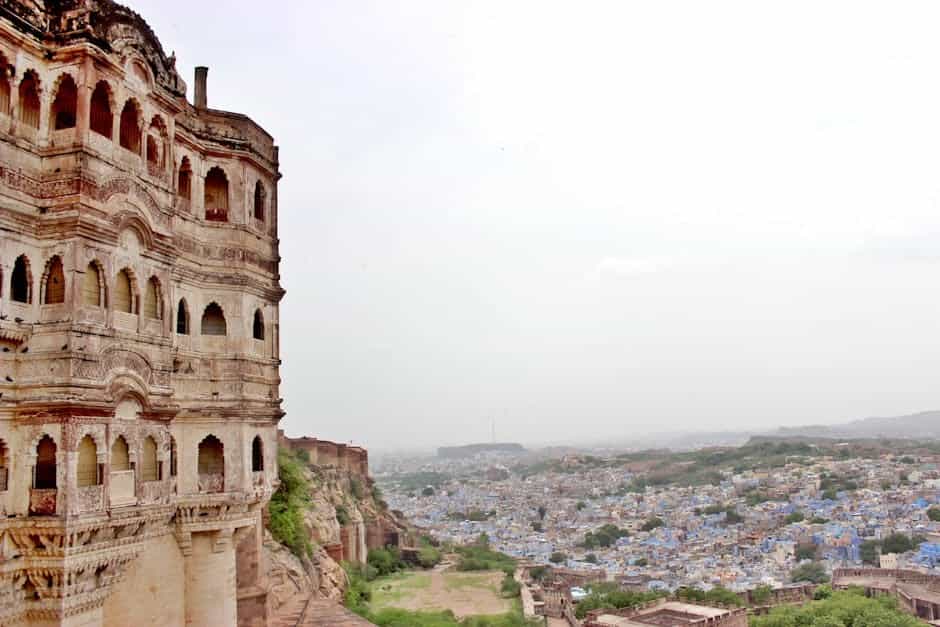
Ranthambore National Park is one of India's premier wildlife reserves, located near Sawai Madhopur in Rajasthan. It was once the hunting grounds of the Maharajas of Jaipur and later became a national park and a key site in Project Tiger. The park combines rich biodiversity with significant historical monuments—most notably the Ranthambore Fort, a UNESCO World Heritage site (part of the "Hill Forts of Rajasthan"). The park's landscape of dry deciduous forests, rocky outcrops, and seasonal lakes supports a healthy population of Bengal tigers along with many other mammals and bird species.
Last updated: 23 Oct 2025
Places to visit
- Ranthambore Fort - historic fortress with panoramic views and ancient temples
- Padam Talao - the largest lake inside the park and a prime tiger-sighting area
- Jogi Mahal and other old hunting lodges and ruins scattered through the park
- Malik Talao, Rajbagh ruins and other scenic water-holes
- Abundant wildlife: Bengal tiger, leopard, sloth bear, striped hyena, sambar, nilgai and large ungulate populations
- Birdwatching hotspots with 250+ recorded species, including migratory waterfowl
Unique Aspects
- Dry deciduous forest interspersed with granite outcrops and seasonal wetlands
- High tiger density compared to many other Indian reserves (not guaranteed sightings)
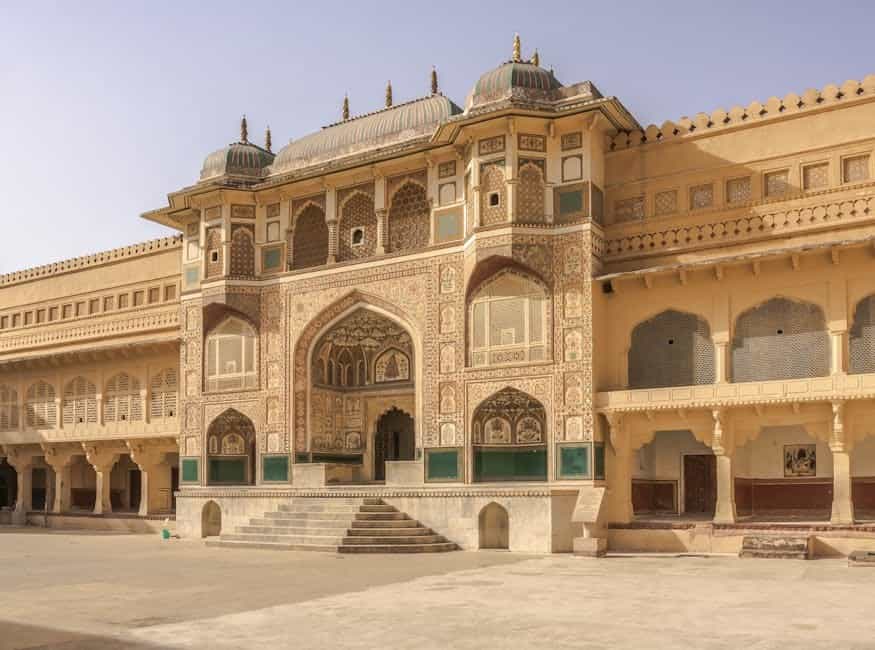
- Historic architecture inside the park (Ranthambore Fort, temples, ruins)
- Diverse birdlife and good opportunities for photography and nature study
- Structured safari zones and regulated, limited-visitors policy to support conservation
Things to do
- Jeep (Gypsy) safaris in designated zones for early-morning and late-afternoon wildlife viewing
- Canter safaris (larger, shared vehicles) — useful for groups and slightly different access
- Guided nature walks and birdwatching (where permitted and organized by local operators)
- Photography, especially wildlife and landscape photography at waterholes like Padam Talao
- Visit to Ranthambore Fort for history, panoramic views and temple visits
- Village visits around Sawai Madhopur to experience local Rajasthani culture and markets
Best Time to Visit
October to March for comfortable temperatures and the best chance to spot tigers; January–March often yields clearer, dryer conditions that concentrate wildlife around water sources. The park is generally closed during the peak monsoon months (usually July–September or as announced) for regeneration and safety.
Weather Conditions
Hot summers (April–June) with daytime temperatures that can exceed 40–45°C; cooler winters (December–February) with nighttime temperatures that can drop to 5–10°C. Monsoon (July–September) brings heavy rains and dense vegetation.
Entry Fees & Permits
Safaris are regulated by the Rajasthan Forest Department; there are multiple zones and two main shifts (morning and afternoon). Typical timings: Morning safari ~6:00–10:00 and Afternoon safari ~14:30–18:30 (seasonal variations apply). Fees vary by vehicle type (jeep/gypsy vs canter), nationality (domestic vs foreign tourists) and season—expect approximate ranges: INR 2,000–6,000 per jeep (higher for foreign tourists or peak season) and canter fares per seat that are lower. Always book safaris in advance via the official forest department portal or authorized tour operators; check the official site for current fees and timings.
Accessibility
Nearest town: Sawai Madhopur (gateway to the park). Nearest major railway station: Sawai Madhopur Junction (~10–15 km from park entries) with good train connectivity from Jaipur, Delhi and other cities. Nearest airport: Jaipur International Airport (~150 km, ~3–4 hours by road). Road access: well-connected by highways; taxis and private transfers are common. Inside the park, access is strictly by authorized safari vehicles only (no private cars).
Recommended Duration
Plan 2–3 days (allowing for 2–3 safaris) to maximize chances of sightings while also visiting the fort and local attractions.
Clothing & Gear Tips
Wear neutral, earth-tone clothing (avoid bright colors); bring layered clothing for cool mornings and hot afternoons, a hat, sunglasses, sunscreen, insect repellent, binoculars and a camera with a telephoto lens. Comfortable walking shoes are useful for short walks around lodging or fort areas.
Local Food & Souvenirs
Try local Rajasthani cuisine in Sawai Madhopur and nearby hotels — dal baati churma, laal maas, and local breads. Souvenirs include Bandhani and block-printed textiles, Rajasthani puppets, local handicrafts, spices and miniature paintings. Support local artisans and certified eco-friendly souvenir shops where possible.