Sawai Madhopur, Rajasthan
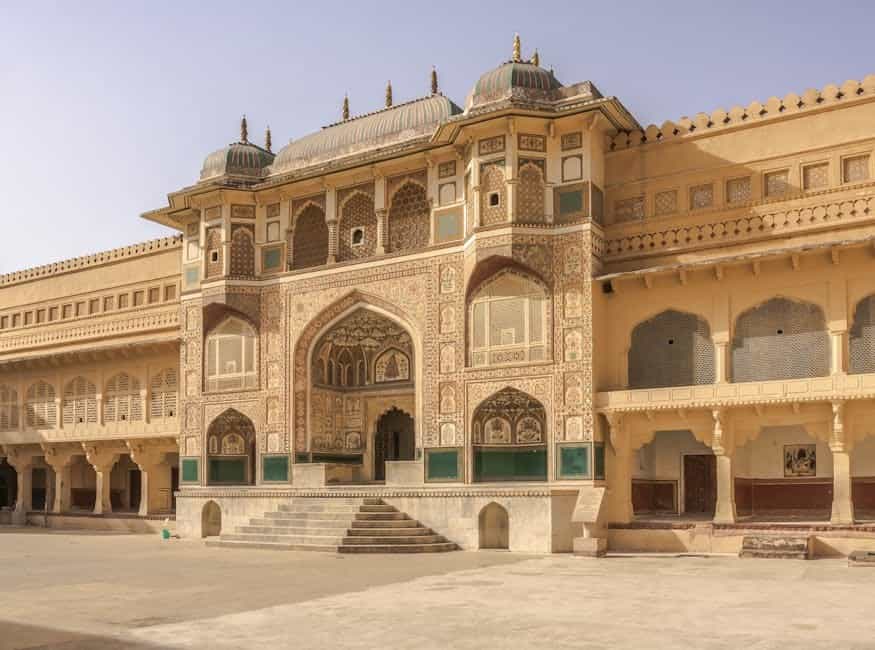
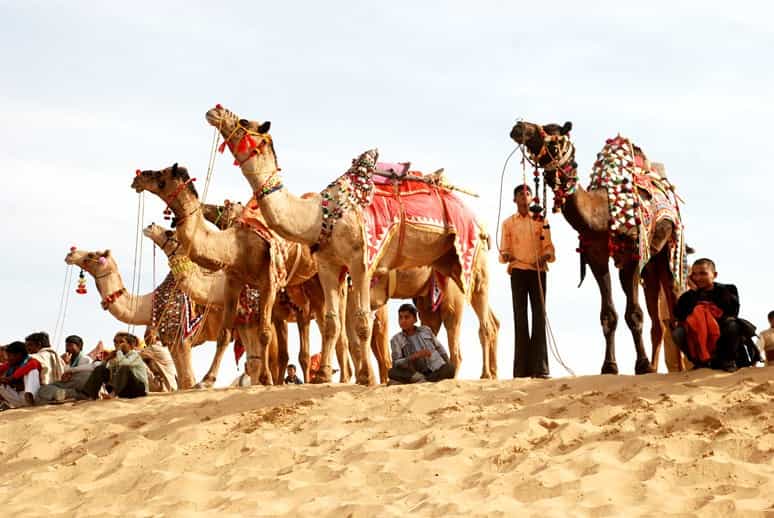
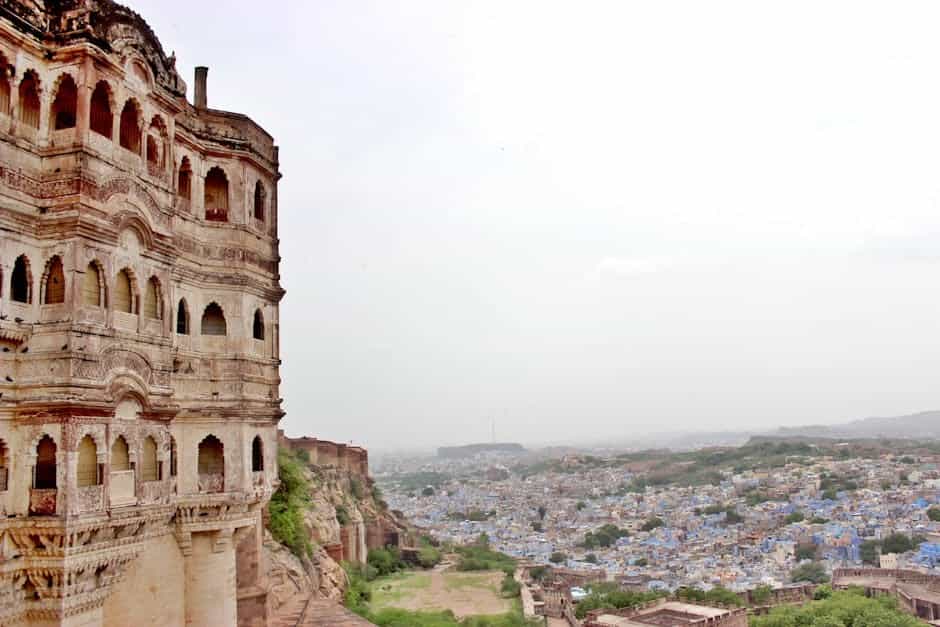
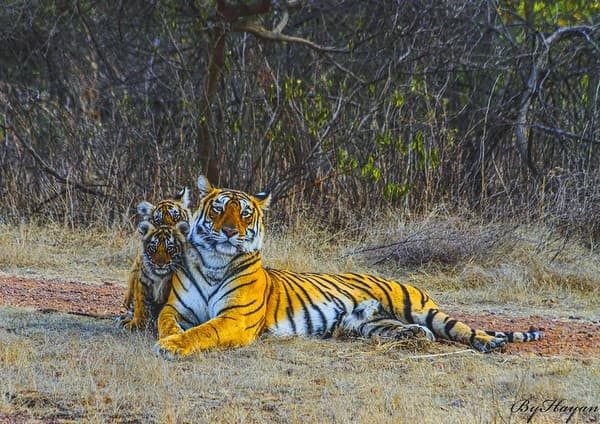
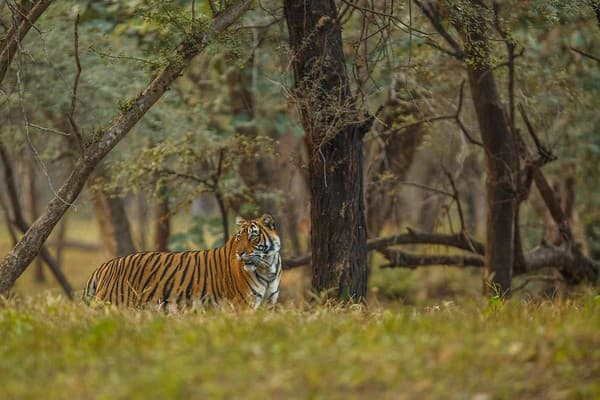
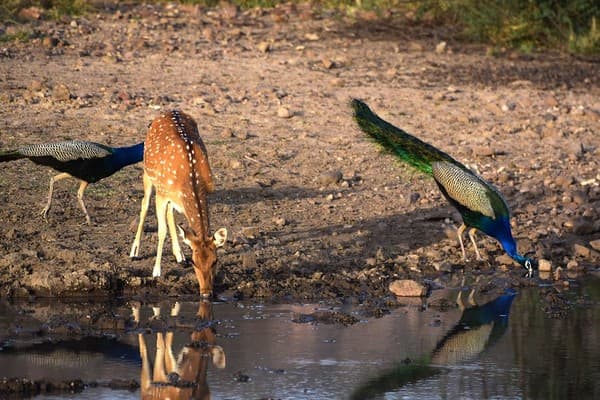
Sawai Madhopur is best known as the gateway to Ranthambore National Park, one of India's premier tiger reserves and a flagship site for wildlife conservation. Historically, the region centers around Ranthambore Fort, an ancient stronghold with layers of Rajput and Mughal history. Culturally, the town reflects typical Rajasthani traditions—folk music, crafts, and festivals—and serves as a base for rural tourism and heritage hospitality. Naturally, the area's dry deciduous forests, lakes and rocky outcrops create a rich ecosystem supporting tigers, leopards, deer, marsh crocodiles and a diverse birdlife.
Last updated: 31 May 2026
Places to visit
- Ranthambore National Park (safaris & wildlife watching)
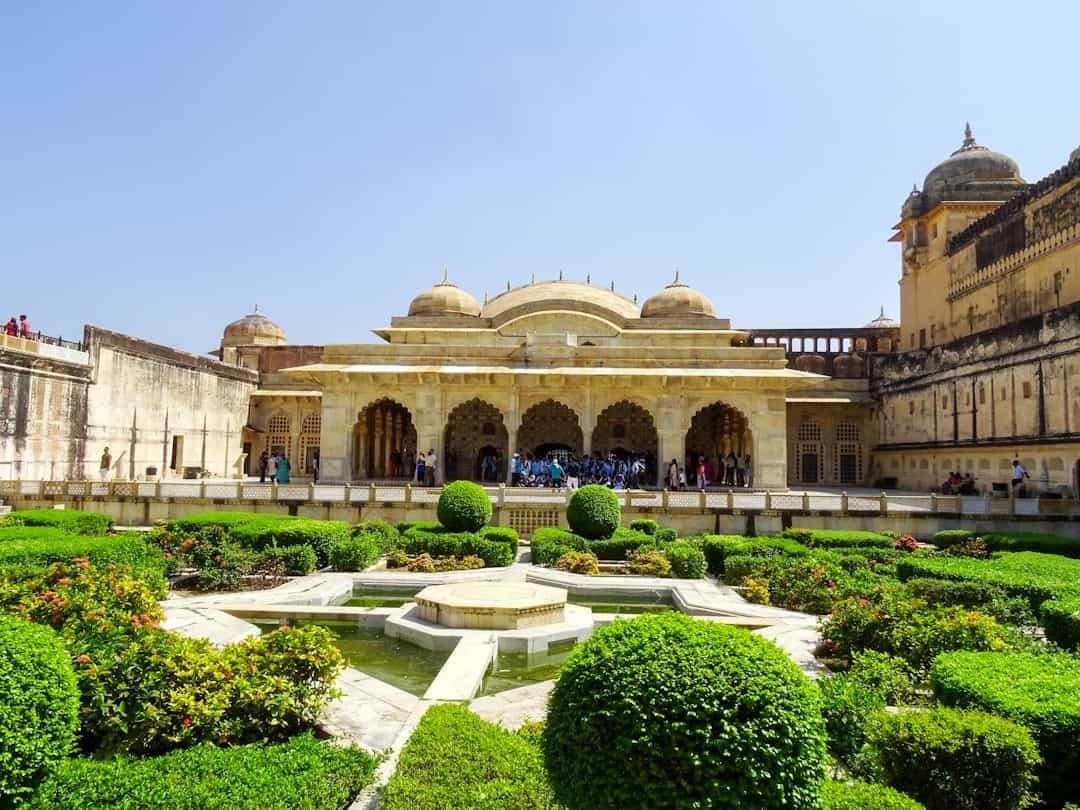
- Ranthambore Fort (historic fort with temples and ruins)
- Padam Talao and other park lakes (waterholes attract wildlife)
- Trinetra Ganesh Temple (inside Ranthambore Fort)
- Surwal Lake and local birdwatching spots
- Sawai Madhopur town markets and heritage hotels (converted havelis)
Unique Aspects
- High probability of tiger sightings during dry months and at waterholes
- Unique mix of ruined fort architecture within a wildlife reserve
- Dry deciduous forest with rocky hills and seasonal lakes
- Excellent birdwatching — resident and migratory species
- Range of safari types (jeep/gypsy, canter) and guided photographic safaris
Things to do
- Jeep (gypsy) and canter safaris inside Ranthambore National Park
- Guided nature walks and birdwatching around park peripheries and lakes
- Visiting Ranthambore Fort and its temples/ruins
- Photography tours focusing on big cats and wildlife behavior
- Village visits and experiencing Rajasthani folk music and cuisine
- Staying at heritage hotels or forest lodges for immersive experiences
Festivals & Events
- Safari season opening events (park season typically runs October–June)
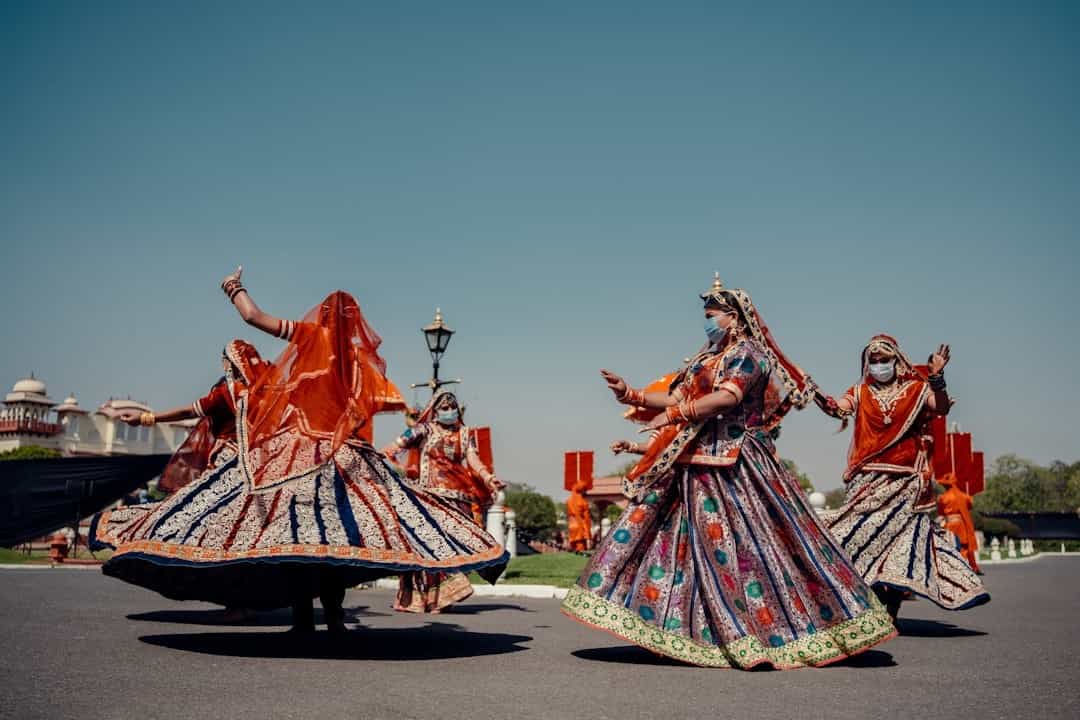
- Local Rajasthani festivals celebrated here: Diwali, Holi, Teej, Gangaur (colourful local observances)
- Occasional wildlife awareness and conservation events organized by NGOs and the park authorities (check local listings)
Best Time to Visit
October to June — cooler months (Oct–Feb) are comfortable for travel; March–May are hotter but often offer excellent tiger sightings as animals congregate at waterholes. The park is usually closed during the monsoon (July–September).
Weather Conditions
Arid to semi-arid climate. Winters (Nov–Feb): cool mornings/evenings (5–20°C). Summer (Mar–Jun): hot (30–45°C). Monsoon (Jul–Sep): brief rains, park usually closed.
Accessibility
By air: Nearest major airport is Jaipur (approx. 130–150 km) — ~3–4 hours by road. By train: Sawai Madhopur Junction is well connected on the Delhi–Kota–Mumbai line (convenient arrival option). By road: Good state highways and taxis from Jaipur, Kota and other cities; private cars and buses available. Within the park, only authorized vehicles and guides are allowed.
Recommended Duration
Minimum 2–3 days to cover one or two safaris and a visit to Ranthambore Fort; 3–4 days recommended for relaxed wildlife watching and nearby village/heritage experiences.
Clothing & Gear Tips
Light, breathable clothing with layers for cool mornings; neutral colors (avoid bright colors) for safaris, a wide-brim hat, sunscreen, sunglasses, comfortable walking shoes, binoculars, and a camera with a good zoom lens. Carry a light rain jacket in pre/post-monsoon months.
Local Food & Souvenirs
Try Rajasthani specialties such as dal baati churma, gatte ki sabzi, local kebabs and sweets. Souvenirs include block-printed textiles, Rajasthani handicrafts, leatherwork, traditional puppets and local spice mixes. Many heritage hotels also offer locally sourced honey and artisanal products.