Shekhawati Havelis, Rajasthan
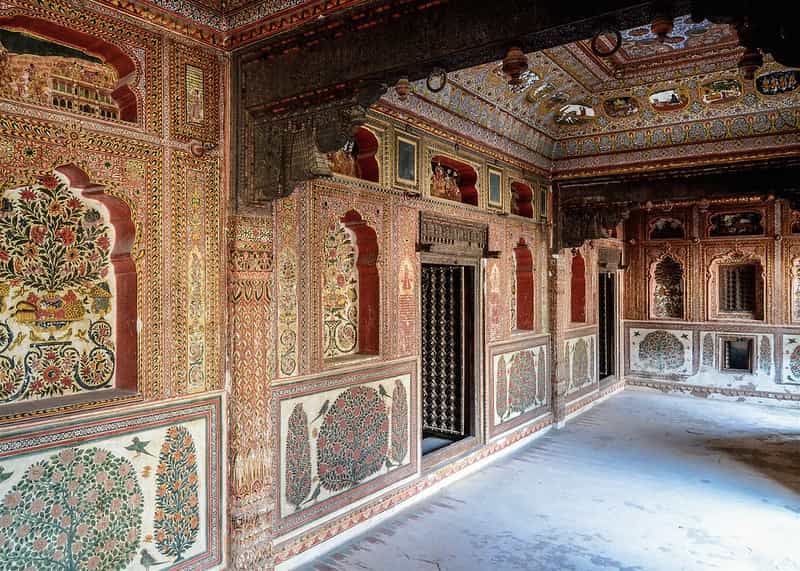
Shekhawati is an open‑air art gallery in the Shekhawati region of northeastern Rajasthan, famous for its richly painted havelis (merchant mansions) built mainly between the late 18th and early 20th centuries by prosperous Marwari trading families. The havelis display a unique fusion of Rajput, Mughal and European motifs and are a major example of vernacular architecture and fresco art in India. The region represents important social and economic history—showcasing the wealth of the Marwari diaspora, trade routes across northern India, and evolving tastes during the colonial period.
Last updated: 23 Oct 2025
Historic Anecdotes
Local lore speaks of fierce rivalry among merchant clans who commissioned ever more elaborate frescoes to display wealth and civic pride. Many frescoes capture unusual historical snapshots—British officers, trains, and early automobiles—reflecting a moment of cultural encounter. There are also anecdotes of secret family vaults and of faded pigments and painting techniques nearly lost and now being revived by conservationists. Shekhawati is often called the 'open‑air art gallery of Rajasthan' and has inspired many restoration and heritage tourism stories about rediscovery.
Places to visit
- Mandawa Havelis and Mandawa Fort
- Nawalgarh Havelis (notably the Gol Mahal and Ladia Haveli)
- Fatehpur Havelis and the painted temples
- Dundlod Castle and its restored havelis
- Jhunjhunu town—frescoed havelis and town palaces
- Khetri and smaller painted mansions scattered across villages
Unique Aspects
- Extensive frescoes depicting mythological scenes, everyday life, trading themes, and colonial-era subjects
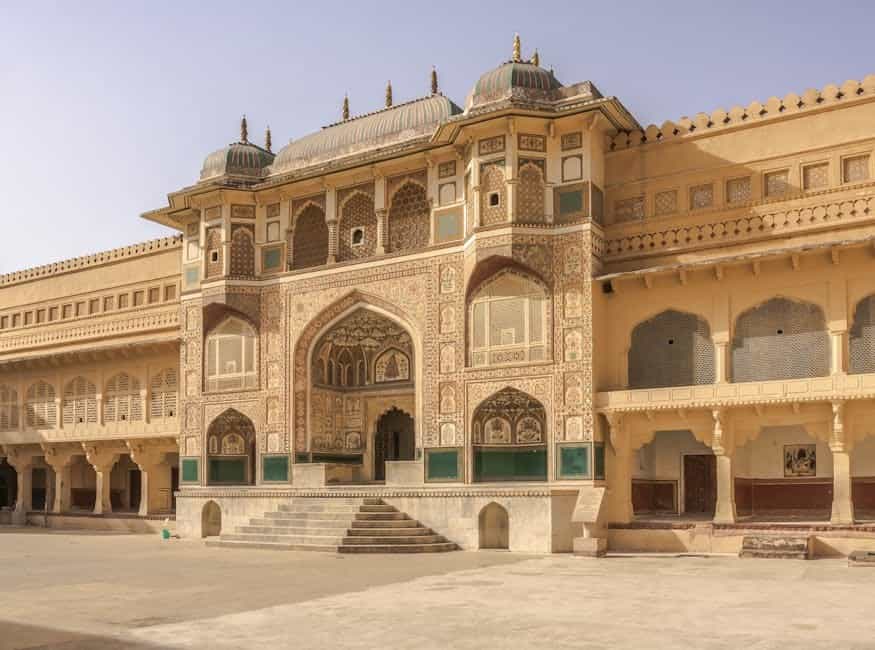
- Elaborate carved wooden jharokhas, balconies, and ornate facades
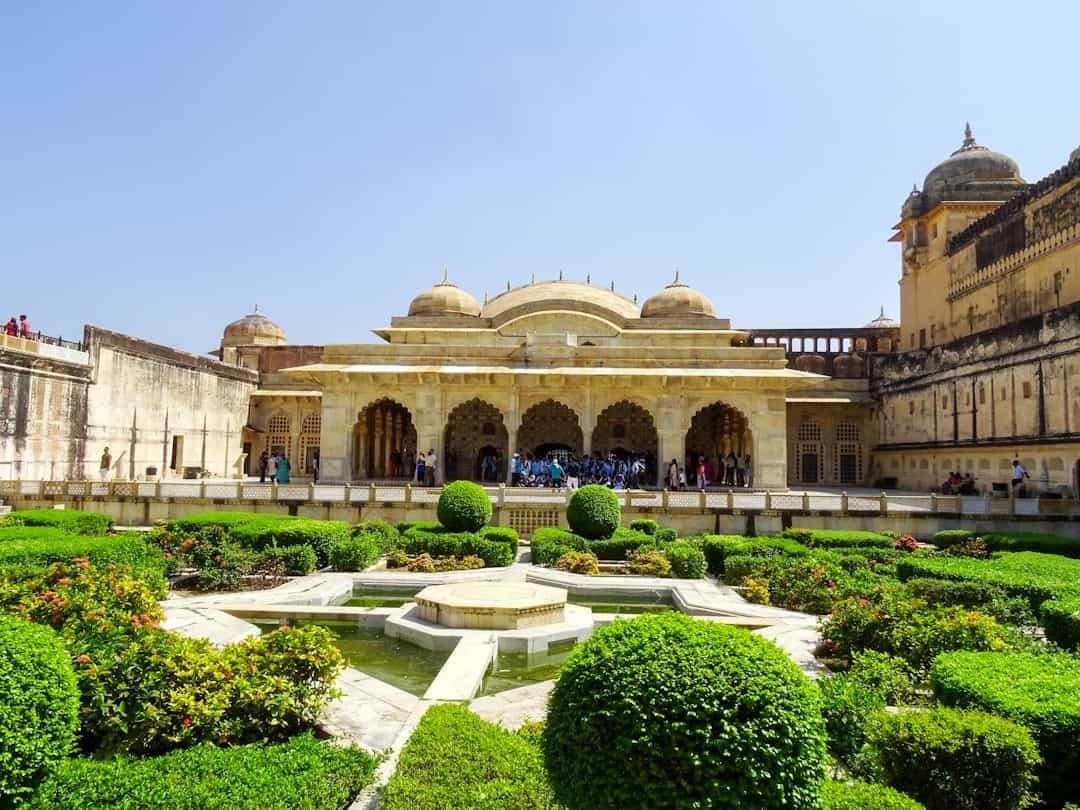
- Spatial layout centered around courtyards (aangan) and haveli-style living
- Use of natural pigments and traditional mural techniques
- A mix of Indian motifs with European portraits, ships, trains and contemporary scenes
Things to do
- Guided walking tours of Mandawa, Nawalgarh, Fatehpur and smaller villages to study frescoes and architecture
- Photography of facades, courtyards and fresco details (respecting rules)
- Cycling or self-drive routes linking multiple havelis across villages
- Staying overnight in restored havelis converted into heritage hotels
- Workshops and demonstrations by local artisans (when available)
- Shopping for local handicrafts and textiles in small bazaars
Festivals & Events
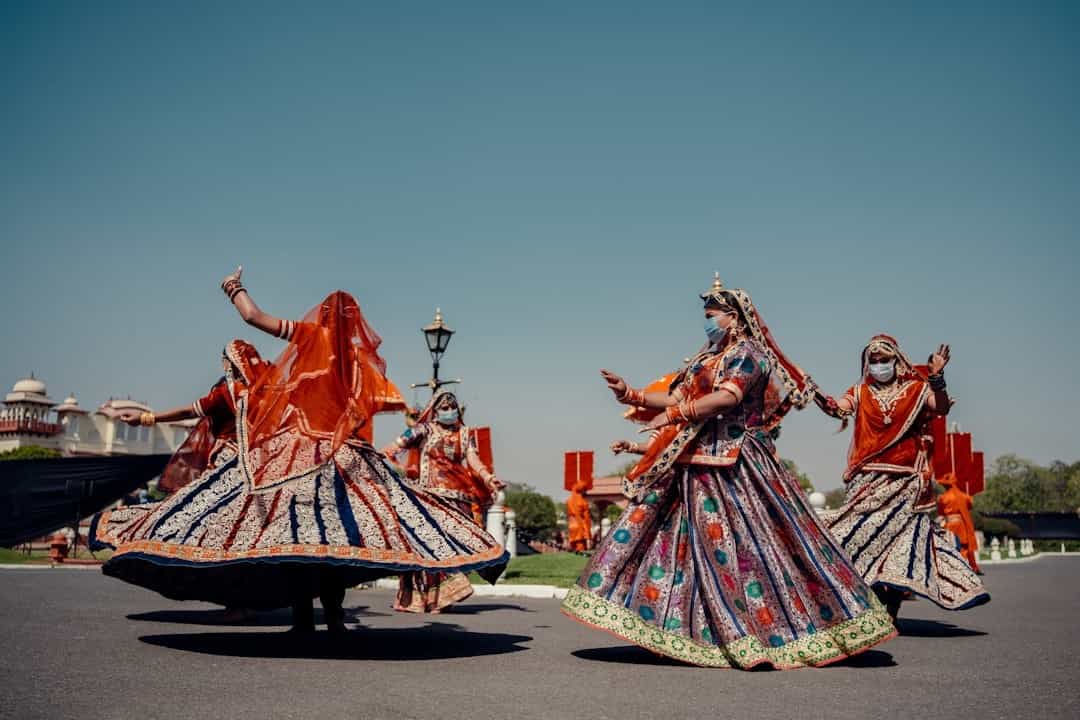
- Local celebrations of regional festivals—Teej, Gangaur and Diwali—when havelis are particularly colorful
- Occasional heritage festivals and cultural programs organized by local trusts and hoteliers (often called Shekhawati or Mandawa heritage events)
- Village fairs (melas) and religious processions tied to local temples
Best Time to Visit
October to February for cool, dry weather and pleasant sightseeing conditions.
Weather Conditions
Semi‑arid climate: hot and dry summers (April–June) with temperatures often rising above 40°C; mild winters (December–January) with daytime temperatures 15–25°C and nights that can fall to single digits; monsoon (July–September) brings limited seasonal rain.
Entry Fees & Permits
Most havelis are privately owned and entry/photography fees vary (typically INR 50–300 per haveli; some restored havelis charge more or operate as heritage hotels). Typical visiting hours are roughly 09:00–17:00, but timings vary—check locally or with a guide.
Accessibility
Nearest major airport: Jaipur International Airport (approx. 150–200 km depending on town, ~3–4 hours by road); Delhi is ~250–300 km (~5–6 hours). Rail: regional stations include Jhunjhunu, Nawalgarh and Merta Road connections; buses and private taxis connect the towns. Best reached by car or organized tour—self‑drive and hired taxis are common. Roads are generally passable but rural stretches can be narrow; allow extra time between towns.
Recommended Duration
2–4 days to explore major hubs (Mandawa, Nawalgarh, Fatehpur) and a couple of smaller villages; add days if you want a slow heritage-stay experience.
Clothing & Gear Tips
Light, breathable clothing for daytime; warmer layers for cool nights in winter. Comfortable walking shoes, sunhat, sunglasses, sunscreen, and a refillable water bottle. Respectful, modest dress is recommended when visiting religious sites or family-owned havelis.
Local Food & Souvenirs
Local Rajasthani dishes to try: dal‑baati‑churma, ker-sangri, bajra rotla, gatte ki sabzi and regional sweets. Souvenirs: miniature paintings, fresco prints, tie-dye textiles (bandhani), block-printed fabrics, lacquerware, embroidered goods and locally made leather or metal crafts. Support local artisans and buy from authorized stalls when possible.