Shrinathji Temple, Nathdwara, Rajasthan
Shrinathji Temple at Nathdwara is one of the most important Vaishnavite pilgrimage sites in Rajasthan and a central shrine of the Pushtimarg (Vallabhacharya) tradition. The temple houses the black marble deity of Shrinathji — a form of Lord Krishna as a seven-year-old lifting Govardhan Hill — which was moved from Mathura in the 17th century to protect it from Mughal persecution. Nathdwara (literally "the gateway to the Lord") developed around the temple and remains a living center of devotional worship, traditional ritual seva, classical music and temple art forms such as Pichwai paintings and miniature painting schools.
Last updated: 23 Oct 2025
Historic Anecdotes
Legend says the image of Shrinathji emerged spontaneously from the Govardhan Hill near Mathura and when Mughal threats rose, the deity was transferred under cover of night to a hillock near present-day Nathdwara. The town's name reportedly comes from the large door ('dwara') in the fort-temple complex used to conceal the idol's arrival. Many devotees also tell stories of miraculous healings and divine interventions attributed to Shrinathji over centuries.
Places to visit
- The Haveli-style Shrinathji Temple (main sanctuary) — the central place of worship and darshan.
- Annakut (Govardhan) display — enormous food offerings piled as a mountain during Annakut/Govardhan Puja.
- Daily seva rituals — several formal services (Mangala, Shringar, Rajbhog, Sandhya, Shayana) performed before the deity.
- Pichwai and miniature paintings workshops and galleries — vibrant devotional textiles and paintings depicting Krishna-lila.
- Local bazaars — shops selling Pichwai, miniature paintings, bandhani textiles, brassware and sweets.
Unique Aspects
- The deity's daily change of costume and jewelry (Vastra and Shringar) carried out by hereditary Goswami priests.
- The temple functions like a royal household (a 'haveli'): food offerings, sleeping arrangements and schedules are part of ritual life.
- Strong living tradition of devotional music (haveli sangeet) accompanying the sevas.
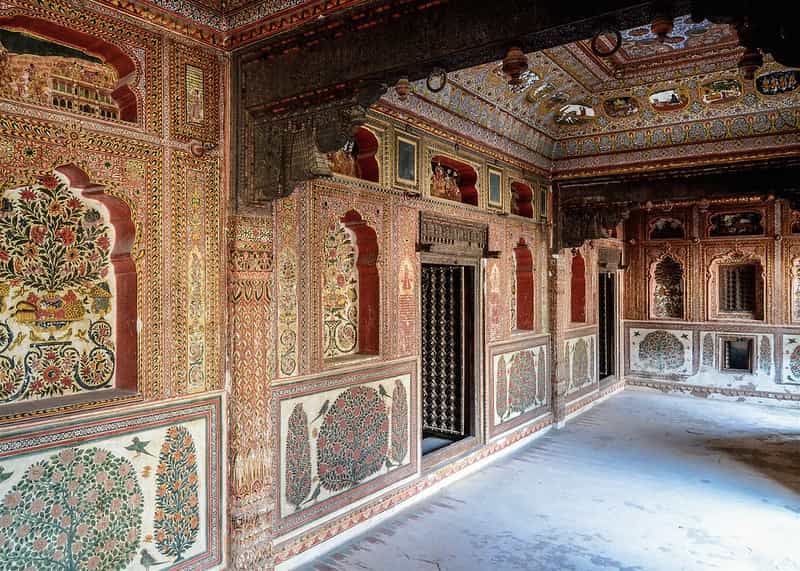
- Distinctive paintings (Pichwais) used as backdrops for the deity — large, hand-painted textiles with rich colors and iconography.
Things to do
- Darshan and participation in the devotional atmosphere during the prescribed sevas.
- Observing or attending the aartis and hearing live haveli sangeet (devotional songs).
- Exploring Pichwai and miniature painting studios; opportunity to buy or commission artwork.
- Visiting the surrounding markets for textiles, handicrafts and local sweets.
- Short guided walks around the old town to see haveli architecture and local life.
Festivals & Events
- Janmashtami (Krishna's birth) — major celebrations with special sevas and night vigils.
- Annakut / Govardhan Puja — a spectacular mountain of food offerings displayed before the deity; one of the temple's biggest events.
- Holi and Holi-related utsavs — traditional colors, music and special temple rituals.
- Various Pushtimarg festivals and Ekadashi observances throughout the lunar year, each marked by distinctive sevas and festive dressings of the deity.
Best Time to Visit
October to March for pleasant weather and comfortable sightseeing; festival season (late August–September for Janmashtami/Annakut in some years) is busiest and most vibrant.
Weather Conditions
Hot summers (April–June) with daytime temperatures often above 35–40°C; monsoon (July–September) brings occasional heavy rains; winters (November–February) are cool and pleasant with nights that can be chilly (5–20°C).
Entry Fees & Permits
General darshan is free. The temple runs multiple daily sevas from early morning until late evening; there are short breaks between services. Special VIP or guided services may have fees and require prior arrangement. Photography inside the sanctum is typically restricted—always check locally and follow priest instructions.
Accessibility
Nathdwara is about 45–50 km from Udaipur by road (roughly 1–1.5 hours). The nearest airport is Maharana Pratap Airport (Udaipur/Dabok). Nearest major railway station is Udaipur City; smaller local rail or road links connect to Nathdwara. Regular buses and taxis operate from Udaipur and other regional centers. The temple area involves steps and can get crowded, so mobility-impaired visitors should plan accordingly and seek assistance.
Recommended Duration
Plan 2–4 hours for temple darshan, visiting nearby art workshops and shopping; extend to a full day if attending a festival or exploring Udaipur on the same trip.
Clothing & Gear Tips
Dress modestly—shoulders and knees covered. Comfortable walking shoes (you must remove them before entering the sanctum), a light shawl in winter evenings, sun protection for daytime visits, and an umbrella during monsoon.
Local Food & Souvenirs
Try Rajasthani specialties in local eateries such as dal bati churma, kachori and sweets (pedas and local milk-based confections). Popular souvenirs include Pichwai paintings, miniature paintings, bandhani textiles, brass/metal handicrafts and temple prasad (where available).