Kabi Longstok, Sikkim
Kabi Longstok (also spelled Kabi Lungchok) is a historic and culturally significant site in North Sikkim. It is traditionally regarded as the place where a treaty of friendship and blood-brotherhood was formalized between the indigenous Lepcha community and the Tibetan-Bhutia leader Khye Bumsa. The site symbolizes the founding bonds that later shaped Sikkim's social and political identity and is important for understanding the region's ethno-cultural history.
Last updated: 23 Oct 2025
Places to visit
- The Kabi Longstok memorial/stone monument marking the historic pact
- A small shrine and prayer flags (manifold Buddhist and indigenous symbols)
- Scenic viewpoints overlooking the surrounding North Sikkim hills and river valleys
- Opportunities to observe local Lepcha and Bhutia cultural markers (traditional structures, rituals)
Unique Aspects
- A compact, well-preserved historical site accessible by a short walk
- Blend of Lepcha and Bhutia religious and cultural iconography (stones, offerings, flags)
- Peaceful setting with strong cultural resonance — good for reflective visits and photography
- Close proximity to other North Sikkim attractions and natural landscapes
Things to do
- Visit and pay respects at the memorial; read inscriptions and local plaques
- Short guided or self-guided walks around the site and nearby viewpoints
- Photography of monuments, prayer flags and panoramic hill scenery
- Interact with local guides or residents to learn about Lepcha and Bhutia traditions
- Birdwatching and light nature observation in surrounding areas
Best Time to Visit
Pre-monsoon (March–May) and post-monsoon/early autumn (September–November) for clearer skies and stable road conditions. Winters can be very cold; monsoon brings landslide risk.
Weather Conditions
Mountain climate: cool to cold year-round. Daytime can be mild in summer; nights are chilly. Expect sudden weather changes at higher elevations.
Entry Fees & Permits
There is no major formal entry fee for visiting the memorial itself; donations or offerings are sometimes made at local shrines. The site is best visited during daylight hours (typically early morning to late afternoon). Confirm local opening/access times with guides or local authorities.
Accessibility
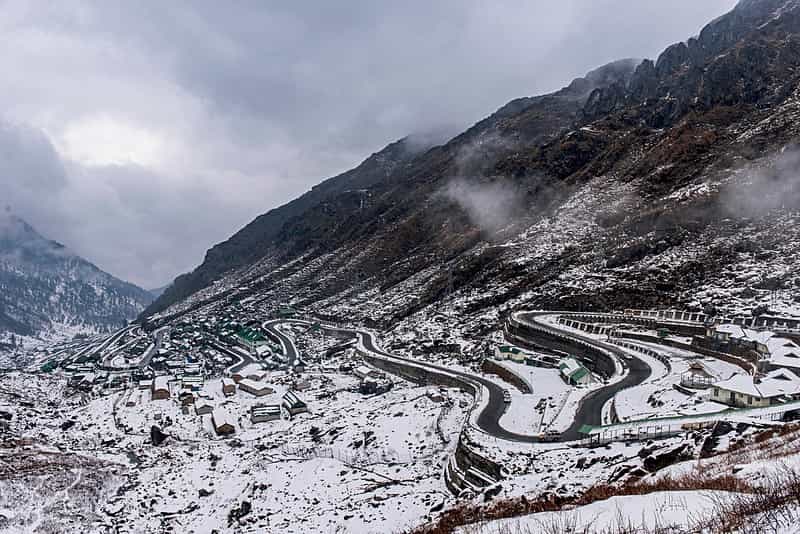
Located in North Sikkim near Chungthang and reachable by road from Gangtok. Access involves hilly mountain roads — private vehicle, taxi or organized tour are common. Note: travel to many parts of North Sikkim may require permits for foreign nationals (Protected Area Permit/Inner Line Permit). Indian nationals should carry valid photo ID. Road conditions can vary; plan extra travel time.
Recommended Duration
Allow 1–2 hours to visit the memorial and immediate surroundings. Combine with nearby North Sikkim sights on a day trip or multi-day itinerary.
Clothing & Gear Tips
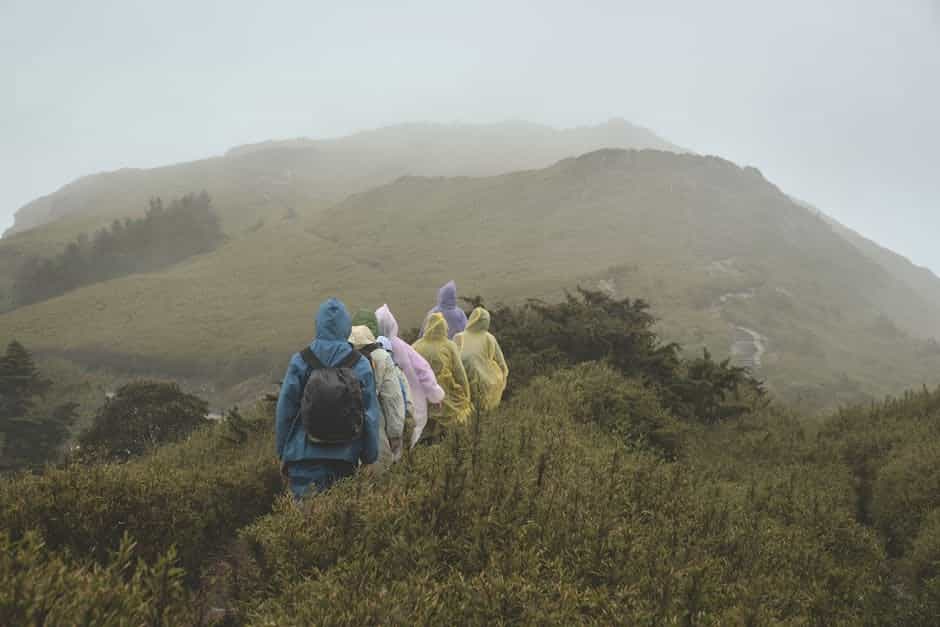
Warm layers (fleece/jacket), sturdy walking shoes, rain jacket during monsoon months, sun protection (hat/sunscreen), and a small daypack. Carry water and basic snacks.
Local Food & Souvenirs
Sample regional Sikkimese dishes in nearby towns — momos, thukpa and local tea. Souvenirs available in nearby markets may include handwoven textiles, yak-wool products, Lepcha handicrafts and traditional jewelry. Purchase from local artisans to support communities.