Coastal train ride along the south
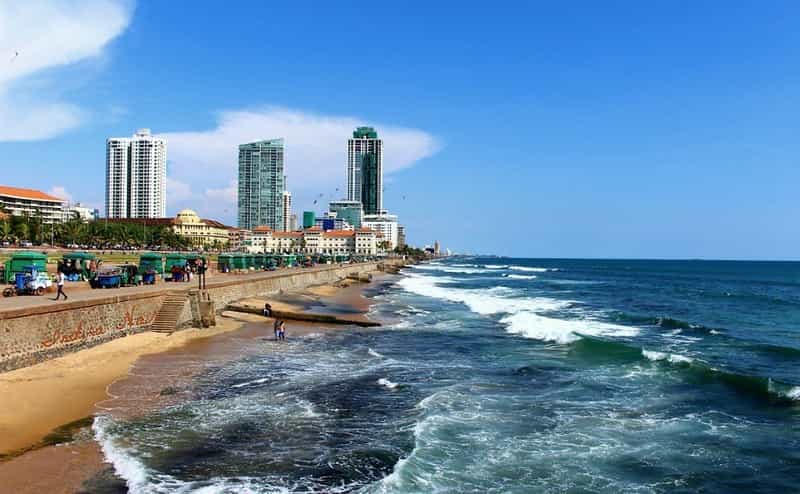
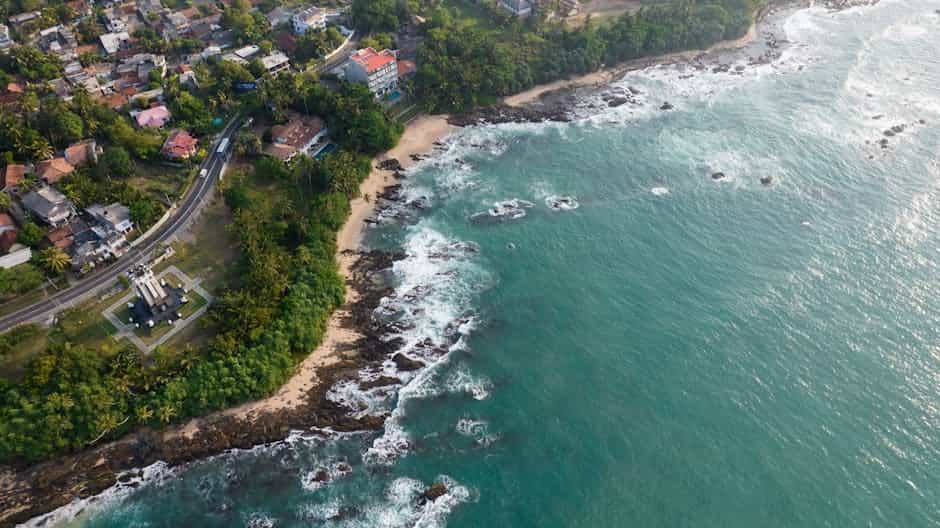
Scenic coastal rail ride along the southern shore of Sri Lanka between Galle and Matara. This short train journey offers dramatic sea views, passing beaches, fishing villages, seaside stations, and palm-fringed landscapes — a relaxed, low-cost way to experience the southern coastline.
Location
Mainline coastal route between Galle and Matara, Galle to Matara (Southern Province), Sri Lanka
Duration
Approximately 1–1.5 hours (typical local train); express services can be faster or slightly slower depending on stops.
Best Time to Visit
December to March for the driest and sunniest coastal weather. Early mornings and late afternoons offer the best light for photography and cooler temperatures.
Pricing
Local fares are very affordable. Approximate ranges: 3rd class (open seating): 30–70 LKR, 2nd class: 120–300 LKR, 1st class / reserved seats: 300–800 LKR. Special observation/smart carriers may cost more. Prices vary by train type and whether you reserve a seat.
Activity Type
Coordinates
Highlights
Close-to-sea railway line with frequent ocean views and occasional sea spray
Stops at charming coastal towns and fishing villages (e.g., Hikkaduwa, Ambalangoda, Weligama, Mirissa)
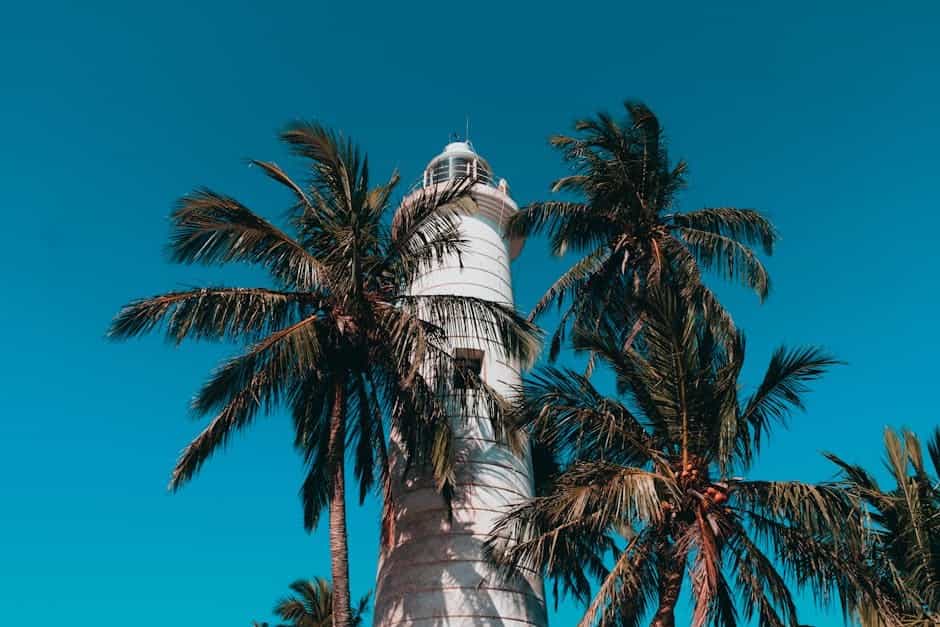
Passing historic Galle Fort as the route leaves Galle (if boarding shortly after departure)
Opportunities to hop off and explore beaches, local markets, and seafood stalls
Local vendors on the train selling snacks, coconut, and drinks — a cultural experience
Itinerary
Board at Galle Railway Station; locate a seat near an open window for the best views.
Tip: Buy a ticket at the station or from the ticket window; for busy holiday periods consider arriving early.
Train heads east/south along the coast, hugging the shoreline in many sections.
Enjoy panoramic views of beaches and the passing Galle Fort area shortly after leaving the station.
Pass through Hikkaduwa, Ambalangoda and other coastal towns; frequent short stops allow local boarding.
Keep camera ready for fishermen, stilt fishermen (when present), and small coastal temples.
Scenic stretches and longer station stops possible; passengers can disembark to explore beaches.
If planning to visit Mirissa or Weligama, consider hopping off to spend extra time on the beach.
Arrive at Matara station. Disembark to explore Matara town, the nearby river mouth, and southern beaches.
End point: Matara makes a convenient base for further exploration of the Deep South.
Safety Requirements
Keep valuables secure and within sight — trains can get crowded; watch for pickpockets in busy carriages.
Do not lean out of open doors or windows; gaps and moving parts are hazardous.
Mind the gap when boarding and alighting; platforms at smaller stops may be uneven.
If you suffer from motion sickness, sit facing forward and have medication or ginger snacks handy.
Follow crew/station announcements and official instructions in case of delays or operational changes.
Tips
Book or arrive early for reserved seats during peak season or holidays.
Choose a seat near open windows or doors for uninterrupted coastal views and photography.
Bring small change for on-train vendors (snacks, coconut water, tea) and for station purchases.
Travel during morning or late afternoon for better light and cooler temperatures; avoid midday sun.
If you plan to hop off at beach towns, carry light day luggage and leave valuables locked at your main accommodation.
Ask the station staff or locals which side of the train faces the sea for that day — carriage orientation can change.
Respect local customs: keep noise to a moderate level, and ask permission before photographing people up close.