Colombo street food crawl
Experience Colombo's vibrant street food scene on a 3–4 hour guided or self-guided crawl through the city's busiest food corridors. Taste iconic Sri Lankan snacks, savoury mains and sweet treats while learning about local ingredients, history and eating customs. This crawl focuses on freshly prepared, affordable street food served by small vendors, hawkers and market stalls.
Location
Colombo street food hubs (Galle Face Green, Pettah Market, Fort & alleys), Colombo, Sri Lanka
Duration
3–4 hours (evening) — flexible for full-night or daytime versions
Best Time to Visit
Evenings (6:00 PM–10:00 PM), best season: November–April (drier months). Avoid heavy monsoon days (May–September has more rain in some areas).
Pricing
Approx. LKR 2,000–5,000 (USD 6–15) per person depending on number of stops and whether you join a guided tour. Private guided tours typically cost more (LKR 6,000–12,000 / USD 20–40).
Activity Type
Coordinates
Highlights
Kottu Roti — chopped roti stir-fried with vegetables, egg or meat; a noisy, theatrical preparation.
Hoppers (Appa) — bowl-shaped pancakes (plain, egg or sweet string-hopper/appa variations).
Isso Vadai (Prawn Vadai) and other fried seafood snacks near Galle Face Green and coastal stands.
Short Eats — pastries, patties and samosas sold at local bakeries and street carts.
Chinese-influenced local plates — noodle/stir-fry stalls influenced by Sri Lankan-Chinese cuisine.
Fresh fruit juices & king coconut — hydrating, refreshing and widely available.
Pittu, Parippu (dhal) and Lamprais (if visiting specialty stalls) — taste regional rice-based dishes.
Itinerary
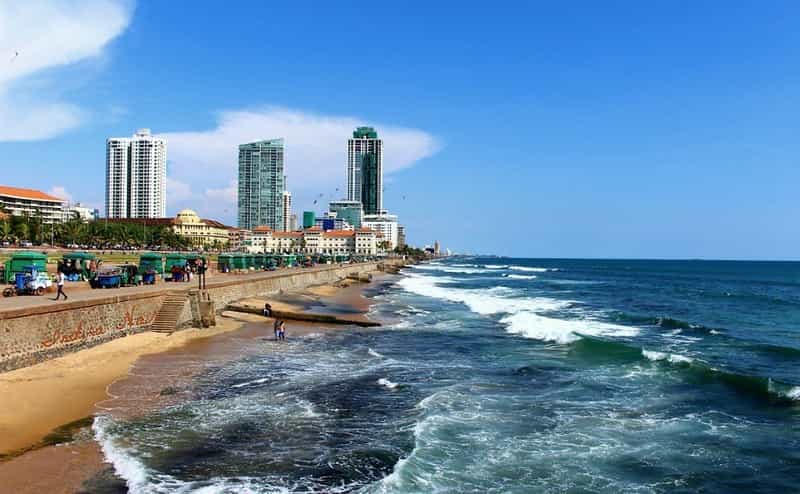
Start at Galle Face Green — sample coastal snacks (isso vadai, fried seafood, king coconut).
Great for sunset views and relaxed seaside vendors. Many stalls operate until late evening.
Walk/drive to Fort & Dutch Hospital precinct — try quick bites and pastries from nearby kiosks.
Area has both traditional street vendors and casual eateries if you prefer sit-down options.
Head to Pettah Market alleys — explore tightly packed lanes with roti, kottu and biryani stalls.
Expect a bustling market atmosphere — ideal for authentic, inexpensive eats. Watch traffic and carry small change.
Sample hoppers & short eats at roadside stalls — try egg hopper and a sweet hopper for dessert.
Hoppers are made to order; order and eat hot for best taste.
Finish with street sweets or a late-night tea — local tea stalls or bakeries for a final treat.
If you're still hungry, pick a vendor recommended by locals or your guide for a last savory plate.
Safety Requirements
Check for visible hygiene practices — choose vendors with high turnover and freshly cooked food.
Avoid raw salads and uncooked preparations if you have a sensitive stomach.
Drink bottled or filtered water only; avoid ice from unknown sources if you have concerns.
Carry small-denomination cash (Sri Lankan Rupees) — many street vendors are cash-only.
Be cautious crossing busy streets and in crowded markets — watch belongings and avoid isolated alleys at night.
Inform vendor of food allergies (peanuts, shellfish, gluten) — many dishes contain seafood, coconut and spices.
Tips
Try small portions at several stalls rather than one large meal — best way to sample many items.
Bring wet wipes and hand sanitizer — useful where handwashing facilities are limited.
Wear comfortable shoes for walking on uneven pavements and market lanes.
Bargain politely where appropriate, but expect fixed prices for cooked items.
Ask locals or your guide for 'must-try' stalls — local recommendations often beat online lists.
Respect local eating customs — eating with hands is common and part of the experience.
Carry an emergency contact number and a photo ID when traveling after dark.