Explore Ritigala Forest Monastery
Ritigala Forest Monastery is an ancient Buddhist monastic complex set within a unique dry-zone montane forest on Ritigala mountain in north-central Sri Lanka. The site features stone-built monastery ruins, terraced reservoirs, mysterious pathways and a rich medicinal-plant forest. This visit combines cultural heritage, nature, and light trekking through shaded trails and ruins dating from the Anuradhapura period.
Location
Ritigala Forest Monastery (Ritigala Strict Nature Reserve), Ritigala (near Anuradhapura), Sri Lanka
Duration
Half-day to full-day (3–6 hours depending on pace and whether you climb to the summit)
Best Time to Visit
December to April (drier months). Visit early morning or late afternoon to avoid heat and for best light and wildlife activity.
Pricing
Typically low-cost or donation-based. No fixed ticket for many areas, but there may be a small entrance fee or recommended donation at the reserve/archaeology office. If hiring a local guide or arranging private transport, expect additional charges (guide: ~USD 10–25; transport varies).
Activity Type
Coordinates
Highlights
Ancient stone ruins and monastery terraces from the Anuradhapura period
Shaded, moss-covered stone pathways and stone bridges
Man-made reservoirs (tanks) and terraced waterworks
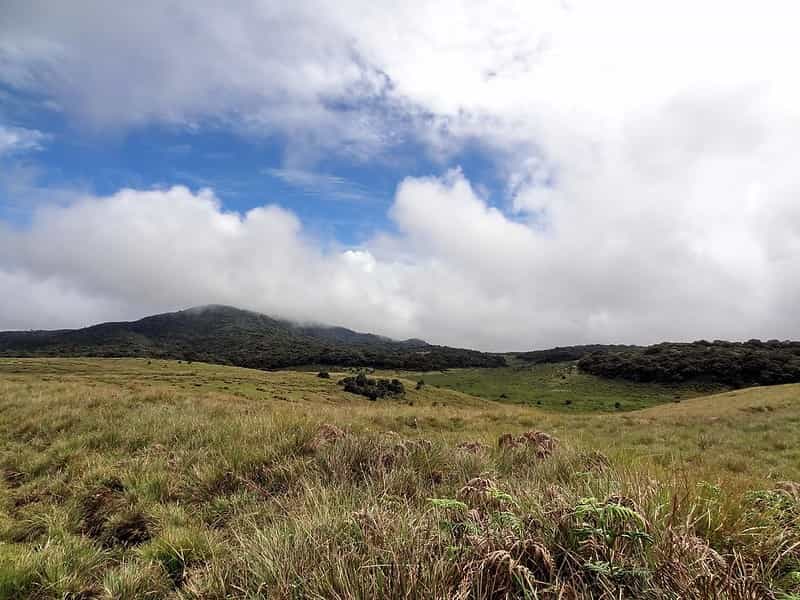
Unique montane dry-zone forest with medicinal plants and rich birdlife
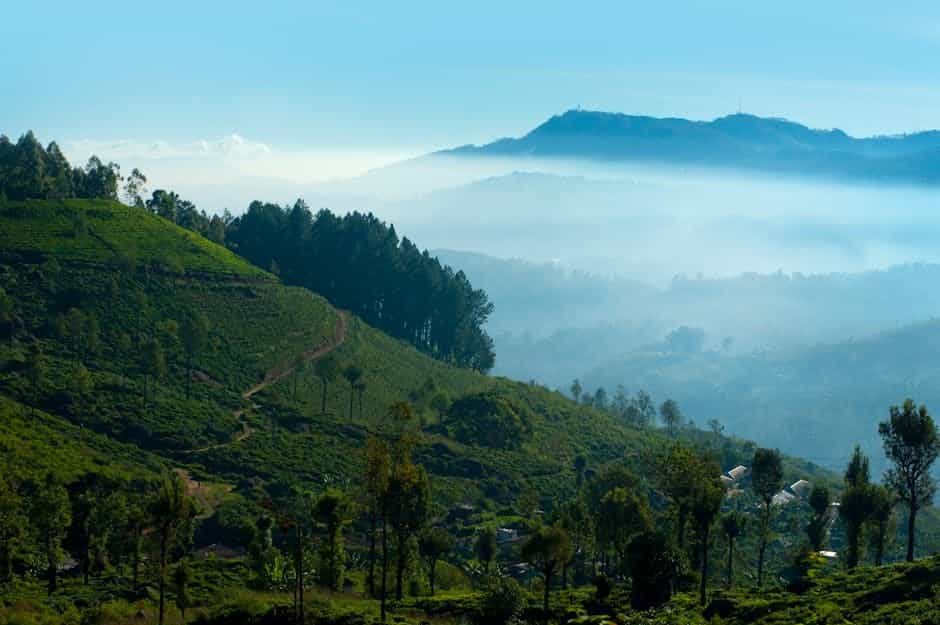
Panoramic views from higher trails and a sense of remote tranquility
Itinerary
Arrival at Ritigala entrance / reserve office
Register with park/archaeology office if required; confirm any local guidelines or restricted areas.
Brief orientation and start walk to monastery ruins
Follow marked trail; initial approach passes through shaded forest — watch footing on roots and stones.
Explore core ruins, terraces, stone ponds and meditation platforms
Spend time reading interpretive signs, photographing carved stonework and small reservoirs.
Optional hike toward higher viewpoints / summit trails
Steeper & rockier — moderate fitness required. Return by early afternoon to avoid heat.
Return to entrance / departure
Check out with office if necessary; consider short stop at nearby villages or tea stall.
Safety Requirements
Wear sturdy closed shoes with good grip (stone steps and roots can be slippery)
Carry sufficient water and snacks — there are limited facilities on-site
Use insect repellent and check for leeches in wetter months
Be prepared for uneven surfaces and some steep sections — moderate fitness recommended
Respect archaeological rules: do not climb on fragile ruins, do not remove stones or artifacts
Check seasonal access: certain zones may be restricted by the Department of Forest Conservation or Archaeology
Tips
Bring plenty of water and a light lunch for longer visits
Hire a local guide to learn the history, medicinal plants and to navigate less obvious trails
Visit early morning for cooler temperatures and better birdwatching
Wear a hat, sunscreen and long sleeves for sun and insect protection
Carry a small first-aid kit and a charged phone (signal can be patchy)
Take all rubbish with you — this is a protected reserve
Confirm opening times and any entry fees in advance with local authorities or your guide