Explore the Colombo National Museum
Colombo National Museum is Sri Lanka’s largest museum and a must-see for visitors interested in the island’s history, art and archaeology. Housed in an impressive 19th-century colonial building, the museum presents royal regalia, ancient sculptures, colonial-era collections, traditional costumes, and archaeological finds that trace Sri Lanka’s cultural story from prehistoric times to the modern era. Ideal for history buffs, families and culture-seekers.
Location
Colombo National Museum, Sir Marcus Fernando Mawatha (formerly Prince Street), Colombo, Sri Lanka
Duration
1.5–2.5 hours (self-guided); 2–3 hours with a guided tour or specialization visits.
Best Time to Visit
Morning (09:00–11:00) on weekdays to avoid crowds; typically November–April for drier, more comfortable weather. Avoid public holidays and weekend afternoons when the museum is busiest.
Pricing
Approximate admission (subject to change):
- Foreign adults: LKR 1,500–2,500
- Local adults: LKR 500–800
- Children / Students / Seniors: discounted rates available
- Audio guides, guided tours or specialized exhibits may have additional fees. Check the official site or ticket counter before visiting.
Activity Type
Coordinates
Highlights
Royal regalia & thrones — Kandyan period items and regalia of Sinhalese monarchs
Archaeological galleries — prehistoric artefacts, early kingdoms and inscriptions
Colonial-era collections — maps, furniture and artifacts illustrating colonial history
Ethnographic & costume exhibits — traditional costumes, masks and ritual objects
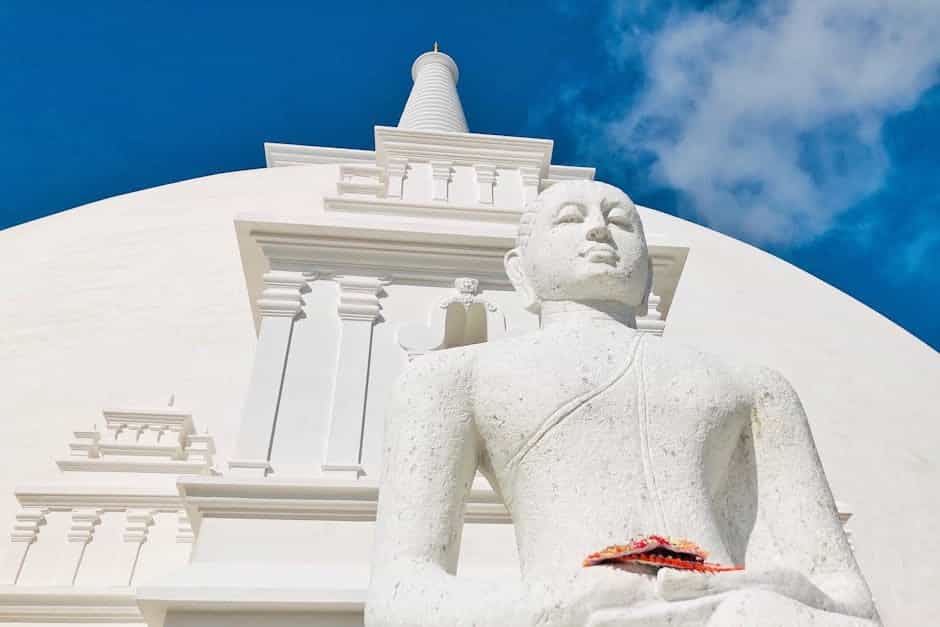
Art & sculpture — Buddha statues, stone carvings and fine art
The building itself — a Victorian-era architectural landmark and the National Museum Library
Itinerary
Arrival and ticketing
Buy tickets at the main counter. Confirm opening hours and whether audio guides or guided tours are available for the day.
Ground-floor highlights: Archaeology & early history
Start with prehistoric and early kingdom exhibits to set historical context.
Royal regalia and throne rooms
Focus on Kandyan artefacts, crowns, and ceremonial items. Photography rules may apply.
Art, sculpture and ethnographic displays
See Buddha images, stone carvings and traditional costumes. Allow extra time for detailed works you find interesting.
Special exhibitions / temporary galleries
Check the notice boards for rotating exhibits — these often include curated archaeological finds or art displays.
Museum shop, library & nearby Viharamahadevi Park
Browse local handicrafts and books in the museum shop; step outside to relax in the adjacent park or visit other nearby sites.
Safety Requirements
No eating or drinking inside exhibit halls; use designated areas outside galleries.
Follow signage: some rooms prohibit photography or allow only non-flash photos.
Supervise children at all times; some displays are fragile and low to the ground.
Secure personal belongings—normal city precautions in crowded areas.
The museum has limited accessibility in some older sections; contact staff ahead if you require mobility assistance.
Tips
Arrive early to beat crowds and mid-day humidity.
Hire a licensed guide or pick up an audio guide to add depth to the collections — context enriches many displays.
Combine the visit with Viharamahadevi Park (opposite the museum) and the nearby National Art Gallery for a full cultural morning.
Carry small change (cash) for tickets, donations and the museum shop; card acceptance can be limited.
Check the museum’s official website or call ahead — opening hours, ticket prices and exhibit closures can change; the museum is often closed Mondays or on national holidays.