Explore the sacred city of Anuradhapura
Anuradhapura — one of Sri Lanka’s ancient capitals and a UNESCO World Heritage Site — is a sprawling complex of stupas, monasteries, ancient reservoirs and the sacred Sri Maha Bodhi (the Bo tree), grown from a sapling of the Buddha’s original tree. This activity is a culturally rich sightseeing experience that combines archaeology, Buddhist heritage, serene landscapes and a sense of pilgrimage. Perfect for history lovers, photographers and spiritual travelers.
Location
Sacred City of Anuradhapura (Archaeological Reserve and surrounding temples), Anuradhapura, Sri Lanka
Duration
Full-day (6–8 hours) typical. Half-day options (3–4 hours) possible for a condensed visit.
Best Time to Visit
Best during the dry season: November to April. Visit early morning (6:00–9:00) or late afternoon (16:00–18:30) to avoid midday heat and to see softer light for photography.
Pricing
Approximate costs (subject to change):
- Entrance fee to the Anuradhapura Archaeological Site: USD 20–30 for foreign adults (local rates lower)
- Sri Maha Bodhi and other shrine access included in site ticket; separate donations customary
- Bicycle rental: USD 2–6 per day
- Tuk‑tuk day hire: USD 20–40 (depending on distance and negotiation)
- Local guide: USD 15–40 for a half- to full-day guide
- Recommended daily budget (meals, transport, small donations): USD 30–60
Activity Type
Coordinates
Highlights
Sri Maha Bodhi (the sacred Bo tree) — one of the oldest historically documented trees in the world
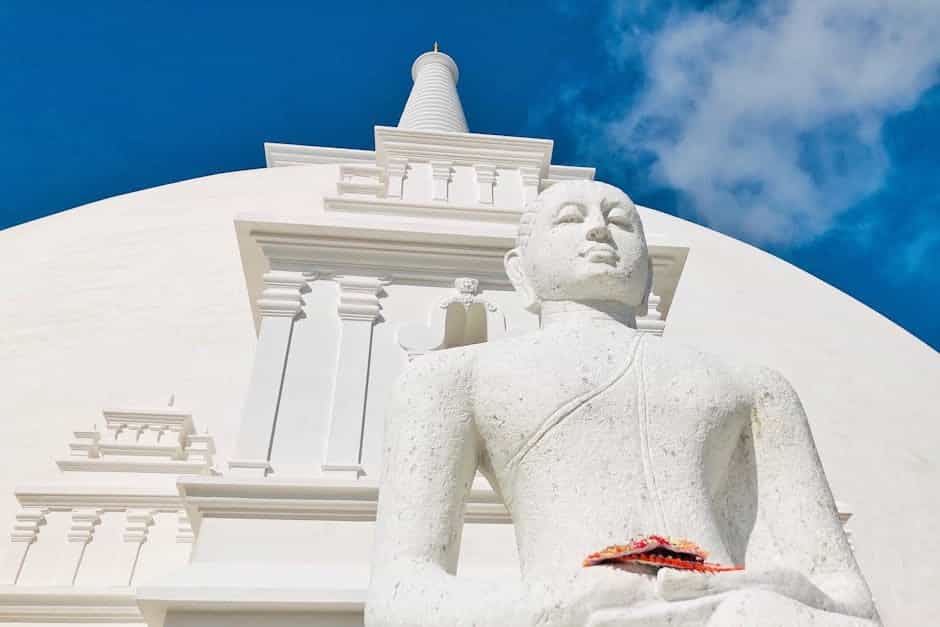
Ruwanweliseya Stupa — a large white hemispherical stupa and important pilgrimage site
Jetavanaramaya — one of the tallest ancient brick structures in the world
Abhayagiri and Thuparamaya monastic complexes — impressive ruins and meditation sites
Isurumuniya and the elegantly carved sculptures (including the famous Lovers/Isurumuniya lovers carving)
Ancient reservoirs (tanks) such as Tissa Wewa and Nuwara Wewa — examples of advanced hydraulic engineering
Cycle or tuk‑tuk through the archaeological park, stopping at lesser-known shrines and quiet meditation spots
Sunset or sunrise views near the stupas for atmospheric photography
Itinerary
Arrive and start at the Sri Maha Bodhi and surrounding temples
Morning is ideal for quiet reflection and to witness devotees offering flowers. Remove shoes and dress modestly (shoulders and knees covered).
Visit Ruwanweliseya and Thuparamaya
Explore the stupas and read plaques about their history; be mindful of ongoing worship activities.
Cycle/tuk‑tuk to Jetavanaramaya and Abhayagiri
Climb the viewing platform for panoramic views of the ruins and reservoirs where allowed.
Stop at Isurumuniya and the nearby sculpture gallery
See the famous rock carvings and the small but atmospheric temple complex.
Lunch break in Anuradhapura town or a local eatery
Sample Sri Lankan rice-and-curry or light snacks; carry cash.
Explore smaller shrines, monasteries and the museum
Visit the Archaeological Museum for artefacts and better historical context; finish with a walk around Tissa Wewa.
Optional sunset visit to key stupas or return via a different route
Sunset softens the stone colours and is excellent for photos; many pilgrims return at dusk.
Safety Requirements
Wear modest clothing covering shoulders and knees when entering temples and sacred sites
Carry sufficient water and sun protection (hat, sunscreen) — shade is limited between monuments
Use comfortable, sturdy footwear for uneven surfaces; many areas require removing shoes before shrine entry
Beware of monkeys around ruins — do not feed them and keep belongings secure
Follow signage and barriers — climbing some structures is prohibited to protect the site and for safety
If cycling, wear a helmet and be cautious on shared roads and dusty tracks
Respect local customs: no public displays of affection in sacred areas, follow photography rules (no flash inside shrines), and obey requests by temple authorities
Tips
Hire a licensed local guide to unlock historical context and avoid missing hidden gems
Rent a bicycle for an immersive, independent way to see the park — tuk‑tuk drivers can offer a faster, less strenuous option
Bring small bills for entrance fees, donations and tips — ATMs are in town but not inside the park
Start early to avoid heat, crowds and to enjoy devotional activities
Charge cameras and phones — power access at some guesthouses and hotels only
Combine this trip with a visit to Mihintale (short drive) for sunrise over the plains and additional pilgrimage sites
Carry biodegradable wet wipes and a small first-aid kit for blisters or sun exposure
Respect sacred spaces: remove hats and shoes where required, speak softly, and follow local photographers’ etiquette