Galle Fort walking tour
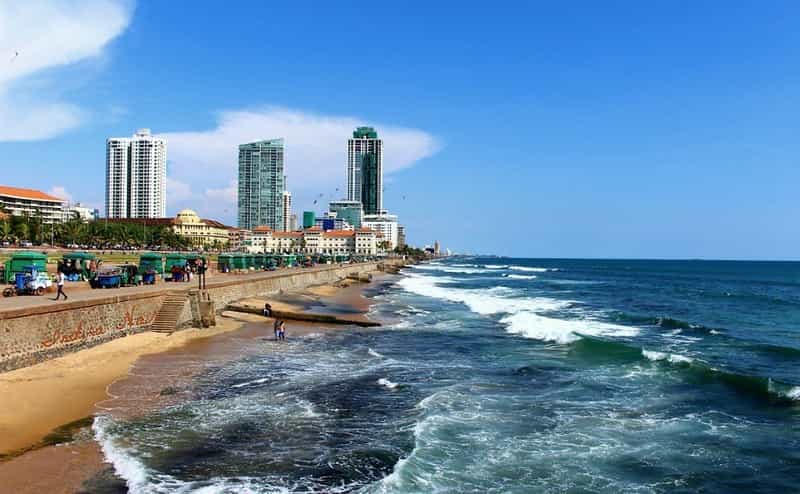
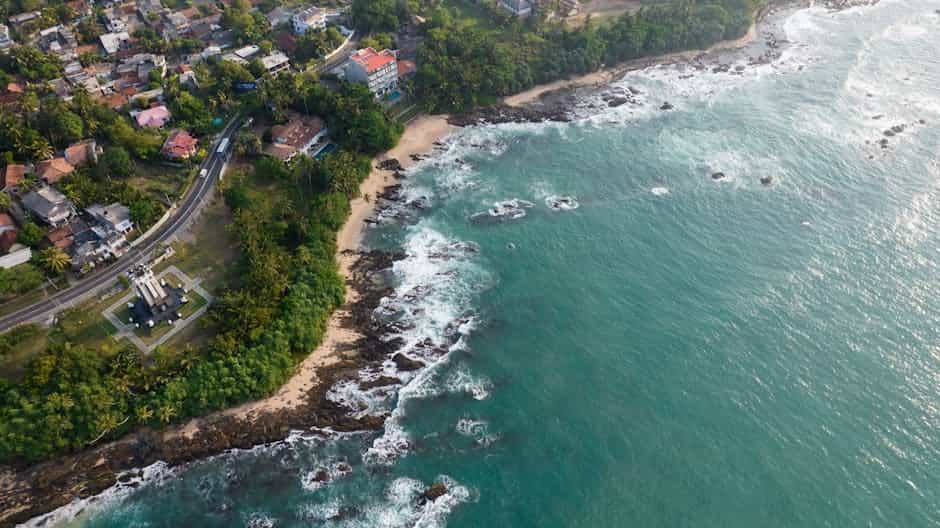
Experience the layered history, architecture and coastal atmosphere of Galle Fort, a UNESCO World Heritage site on Sri Lanka's southwest coast. This guided walking tour explores Dutch colonial ramparts, centuries-old churches, narrow streets lined with boutiques and cafés, and panoramic ocean views — all within the fortified old town.
Location
Galle Fort (Dutch Fort Area), Galle, Sri Lanka
Duration
2–3 hours (standard). Short highlights: 60–90 minutes. Extended/private: half-day (3–4 hours).
Best Time to Visit
November to April (drier season). For comfortable temperatures and best light: early morning (7:00–9:30) or late afternoon / golden hour (15:30–18:30); ideal for sunset on the ramparts.
Pricing
Approx. USD 10–40 per person for a group guided tour (2–3 hours). Private guided tours: USD 40–100+ depending on group size and customization. Museum/attraction entrance fees: small additional charges (~LKR 200–1000 / USD 1–6). No general entry fee for the Fort itself.
Activity Type
Coordinates
Highlights
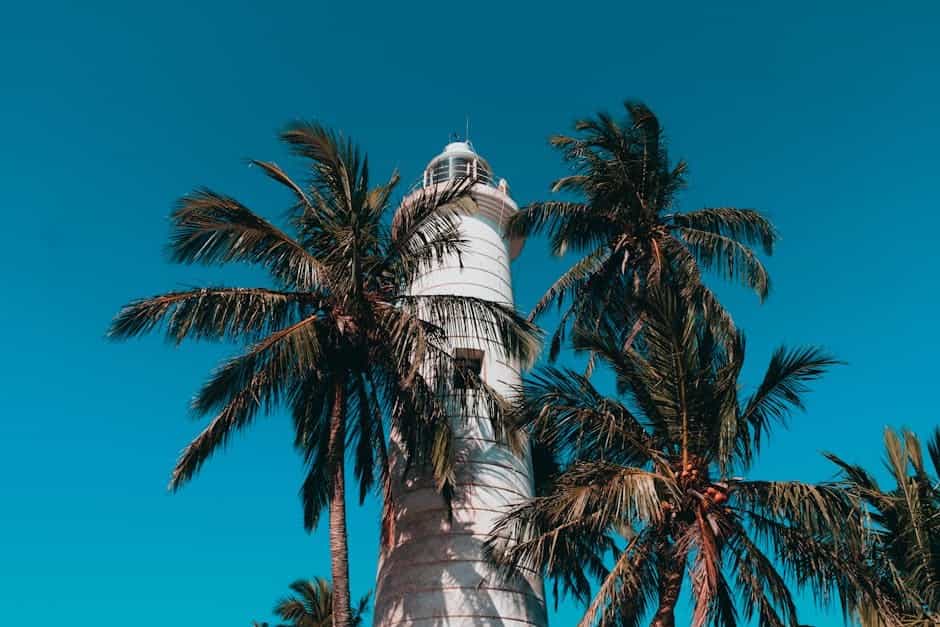
Galle Ramparts & Dutch Lighthouse — panoramic coastal views and great photo spots
Dutch Reformed Church — 18th-century colonial architecture and cemetery
Old Dutch Hospital — converted into restaurants and boutiques
National Maritime Museum & local history museums — learn about maritime trade & piracy
Pedestrian alleys — spice shops, art galleries, antique stores and tailor workshops
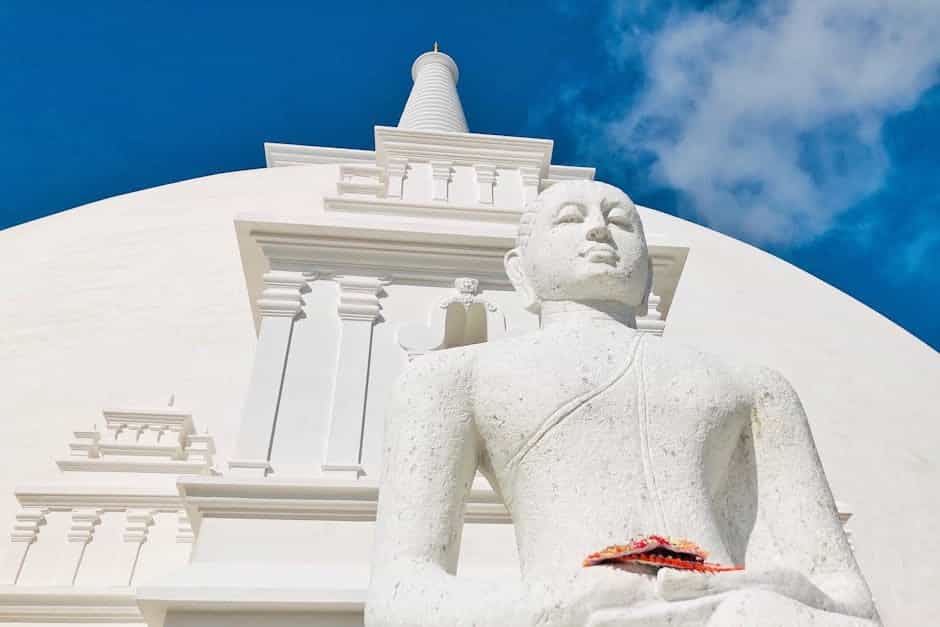
Religious sites — mosques, Buddhist temples and colonial churches within walking distance
Local food & cafés — sample Sri Lankan snacks, seafood and artisanal coffee
Sunset over the Indian Ocean viewed from the southern ramparts
Itinerary
Meet-up & orientation at the Main Gate / Lighthouse entrance
Guide introduction, safety briefing, quick outline of the Fort map and route.
Walk the Ramparts to the Lighthouse
Panoramic views, photo stops, history of fortifications and colonial defenses. Comfortable pace with short stops.
Dutch Reformed Church & Cemetery
Explore the church interior exterior and the colonial tombstones; guide explains Dutch and British-era influences.
National Maritime Museum / Maritime exhibits (optional entry)
Optional short visit inside (small entry fee). If busy, visit external exhibits and discuss maritime history outside.
Old Dutch Hospital area and boutique streets
Explore restored colonial buildings, cafés, artisan shops and showrooms. Time for a coffee or light snack.
Local markets, artisan workshops & temples
Short walk through lanes showcasing local crafts — chance to buy souvenirs, meet local artisans.
Final stroll to southern ramparts / sunset viewpoint
Wrap-up, Q&A, recommendations for further exploration (beach, museum, restaurants). End at a scenic vantage point.
Safety Requirements
Stay hydrated—carry water, especially in mid-day heat
Wear sun protection: hat, sunscreen and sunglasses
Comfortable, closed or sturdy walking shoes for cobblestones and uneven surfaces
Be cautious near rampart edges and on wet rocks by the sea—supervise children
Respect local customs and quiet areas within places of worship
Follow the guide's instructions and local signage—do not climb on fragile heritage structures
Tips
Bring small change (LKR) for museum entrances, toilets and local vendors; many small shops accept cards but not all.
Book a licensed local guide for richer historical context and to support the local economy.
Start early to avoid crowds and heat; late afternoon offers soft light and sunset views.
Wear comfortable shoes; many streets are uneven and there are stairs.
Combine the tour with a beach visit (Unawatuna) or boat/whale-watching trip from Mirissa on a separate day.
Try local specialties: king coconut, hoppers (appa), kottu and fresh seafood at the Old Dutch Hospital eateries.
Ask your guide about conservation rules—photographing interiors is sometimes restricted in religious sites.
If you want to shop, compare prices politely and be ready to bargain on handcrafts.