Pilgrimage hike to Adam’s Peak (Sri Pada)
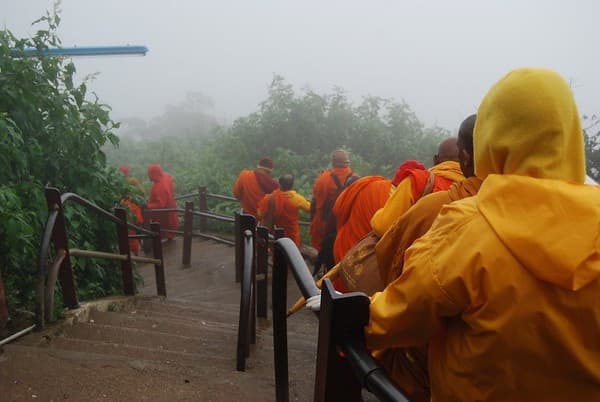
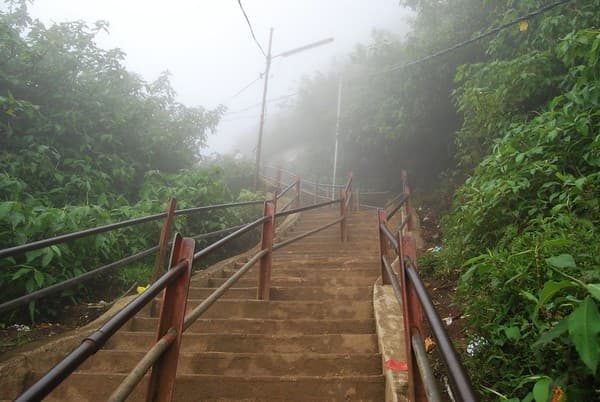
Pilgrimage ascent to Sri Pada (Adam’s Peak) from the village of Nallathanniya. This is the most popular route for pilgrims and hikers who aim to reach the sacred footprint at the summit and watch the spectacular sunrise. The climb combines steep stone steps, forested trails and teahouse-rest stops, with a deeply spiritual atmosphere during pilgrimage season.
Location
Nallathanniya (trailhead village for the main steps route), Hatton / District of Nuwara Eliya area (nearest large towns: Hatton, Maskeliya), Sri Lanka
Duration
Typical round-trip: 4–8 hours depending on pace and waiting time at summit. Night ascent to sunrise commonly starts 2–4 hours before dawn.
Best Time to Visit
December to May (dry season and main pilgrimage season). Peak pilgrimage period: December to April — expect large crowds and devotional activities. Avoid monsoon months (May–September) for a drier, safer climb.
Pricing
Free to enter — voluntary temple donations expected. Typical additional costs (approx.):
- Transport (Nallathanniya from Hatton/Nuwara Eliya): USD 5–25 (LKR 1,000–5,000) depending on vehicle and distance
- Local guide (optional): USD 10–20 (LKR 2,000–4,000)
- Small donations/offering at summit: USD 0–10 (LKR 0–2,000)
- Parking / minor fees at trailhead: USD 0–3 (LKR 0–600) Note: prices fluctuate with season and bargaining.
Activity Type
Coordinates
Highlights
Sri Pada (the sacred footprint) — the religious focal point at the summit
Spectacular sunrise and the famous triangular shadow of the peak
Night-time pilgrimage atmosphere with lanterns and chanting during season
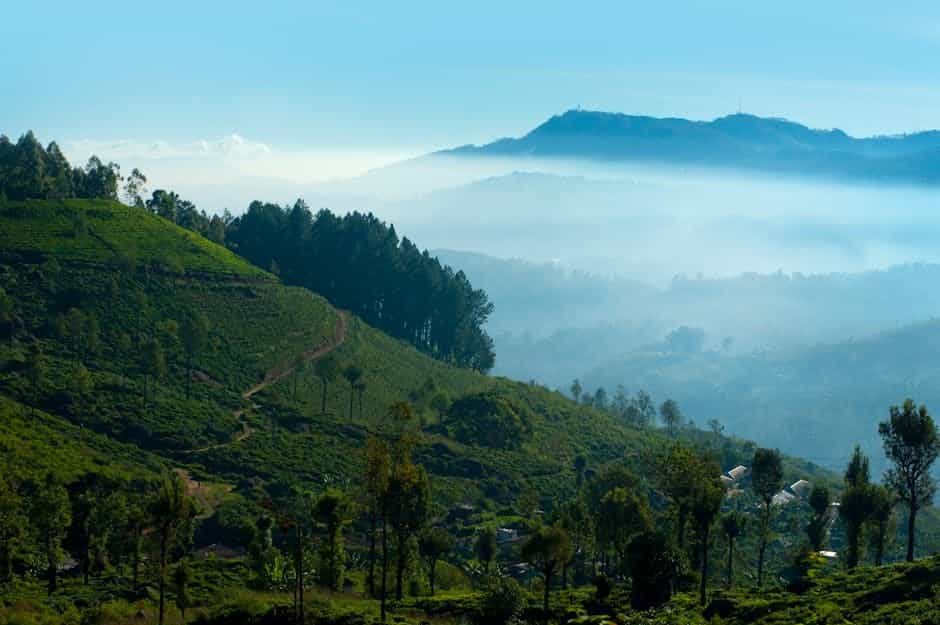
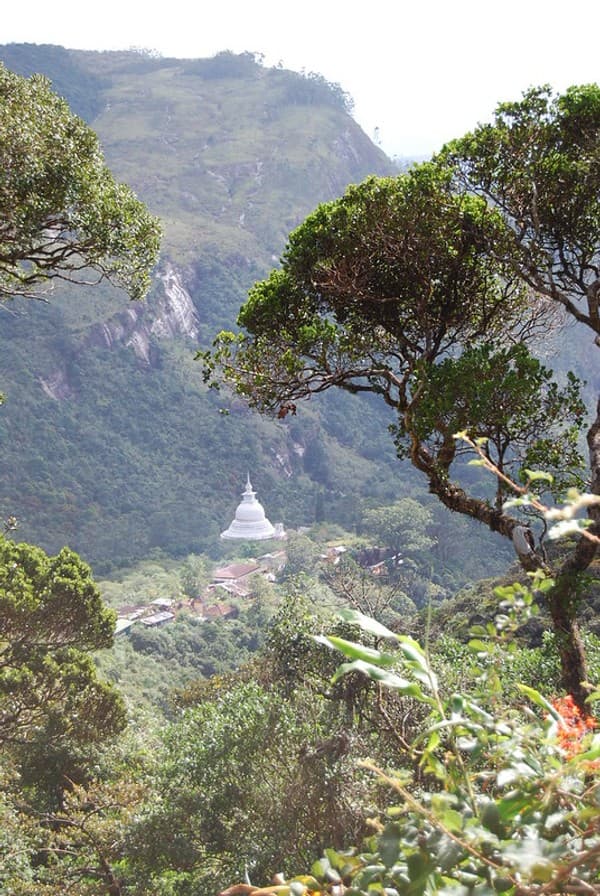
Steep stone steps and panoramic views of tea estates and cloud forests
Multiple teahouses and rest shelters along the way for food, drinks and hot tea
Chance to observe local pilgrimage rituals and multi-faith devotion
Itinerary
Check-in / rest at a guesthouse or tea-shop near the trailhead. Last-minute supplies (water, snacks, warm layers).
If aiming for sunrise, get an early dinner and sleep/nap; many start around midnight.
Begin the climb via the main stone steps. Maintain steady pace; many groups ascend together.
Bring a headlamp or torch. Expect steep, continuous steps with intermittent teahouses.
Short stops at teahouses for tea and snacks. Final steep sections leading to the summit platform.
Wear layered clothing — summit is cold and windy. The crowd can create queues near the top in peak season.
Reach Sri Pada, participate or observe rituals, view sunrise and the peak’s shadow.
Respect religious practices: remove shoes where requested, be quiet where requested, avoid flash photography in shrine areas.
Descend back to Nallathanniya, stopping at teahouses to rest if needed.
Descent can be tougher on knees; use trekking poles if available. Expect return to base mid-morning.
Safety Requirements
Good basic fitness and ankle-strong footwear (grippy trekking/hiking shoes)
Warm, windproof and layered clothing — summit temperatures can be near freezing pre-dawn
Headlamp or torch with spare batteries for night ascent
Carry sufficient water (1–2 liters) and high-energy snacks — limited supplies at teahouses during busy periods
Be cautious on wet or mossy steps — they become slippery, especially after rain
Avoid solo night climbs if inexperienced; join groups or hire a local guide during high season
Respect crowd control and instructions from temple/volunteer marshals
Tips
Start your climb well before dawn (commonly 2–3 AM) to reach summit for sunrise
Pack layers, a rain jacket, warm hat and gloves — temperatures drop significantly at the top
Carry small change in Sri Lankan Rupees for donations, teahouse purchases and toilet fees
Wear good treaded shoes; trekking poles help on the descent
If you’re visiting during pilgrimage season, expect huge crowds — be patient and respectful
Stay hydrated and pace yourself — the ascent is long and steep (approx. 5,000+ steps on the Nallathanniya route)
Support local businesses — buy tea or snacks at teahouses and leave a polite donation at the shrine
Avoid single-use plastics: some teahouses provide disposable items but try to minimize waste
If you have mobility concerns, consider the time and difficulty — the route is step-heavy and not wheelchair accessible
Check local weather and road conditions; landslides and heavy rain can close access in the wet season