Safari in Udawalawe National Park
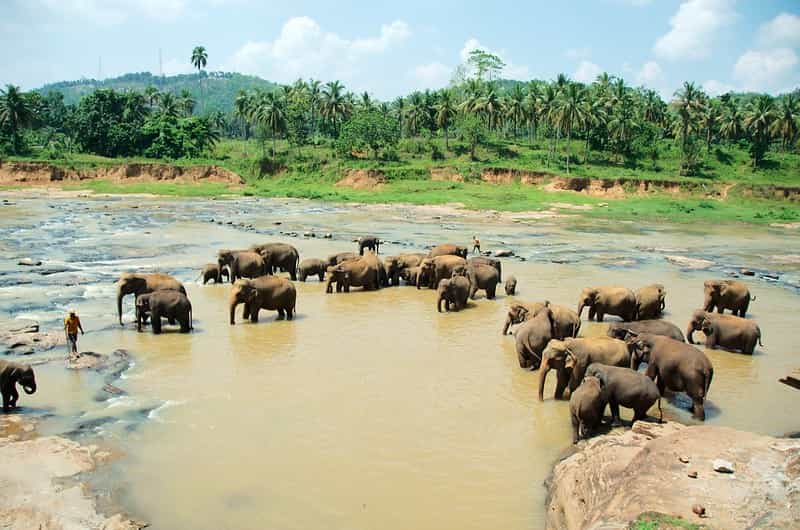
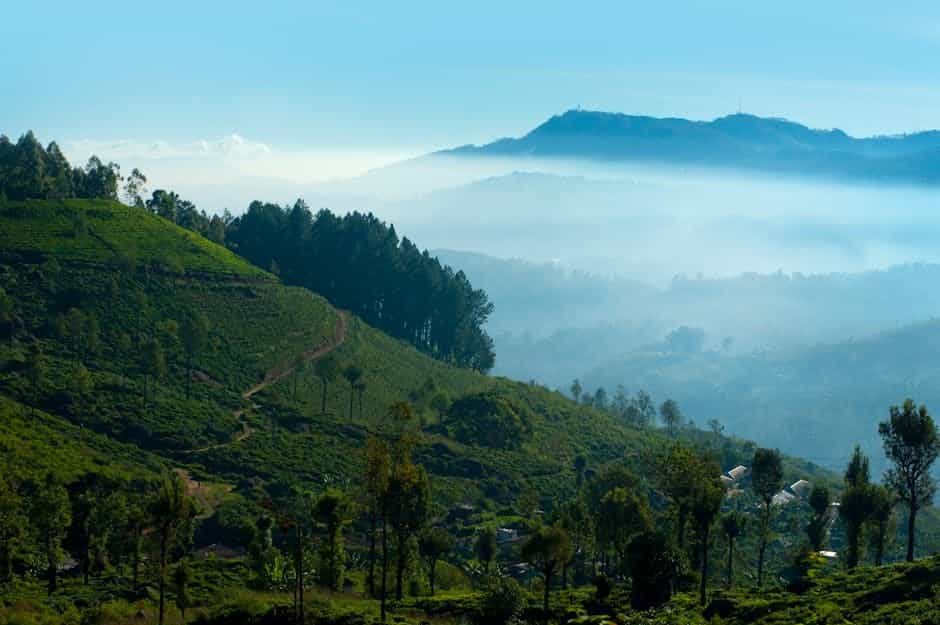
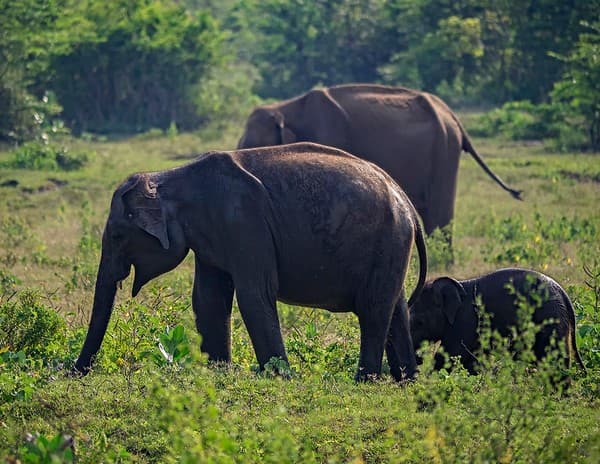
Udawalawe National Park Safari offers an accessible, wildlife-rich experience in southern Sri Lanka, famed for large herds of Asian elephants, diverse birdlife and dramatic dry-zone landscapes. Safaris run in open jeeps with experienced naturalist guides who track animals across grasslands, marshes and forest patches. The park is also close to the Udawalawe Elephant Transit Home — an excellent add-on for those interested in elephant conservation and baby-elephant viewing.
Location
Udawalawe National Park, Udawalawe / Rathgama area (closest town: Udawalawe), Sri Lanka
Duration
3–4 hours (typical jeep safari). Half-day morning or afternoon; full-day combined options available (with Elephant Transit Home or nearby attractions).
Best Time to Visit
December–March and May–September (dry seasons). Early morning and late afternoon safaris give the best animal activity. Avoid heavy monsoon months (October–November) when roads can be difficult.
Pricing
Typical prices (subject to season and operator):
- Shared jeep per person: LKR 2,000–4,500 (~USD 6–15)
- Private jeep (up to 6 people): LKR 6,000–12,000 (~USD 35–70)
- Entrance fee (foreign adult): LKR 3,300–4,000 (~USD 10–13)
- Guide/park ranger fee usually included with jeep; Elephant Transit Home has a small separate donation/entry fee. Booking tip: Prices are lower when booked locally than via international agencies; negotiate for early-morning or late-afternoon slots.
Activity Type
Coordinates
Highlights
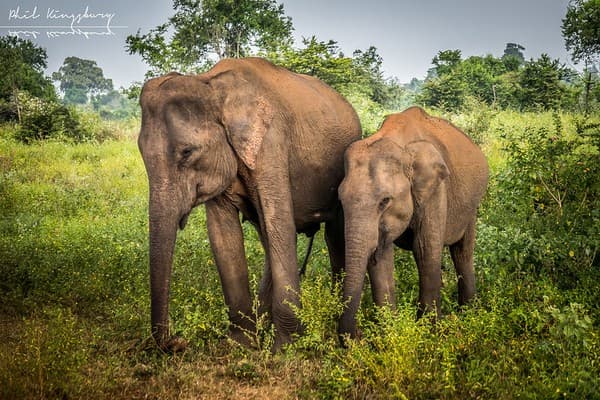
Large herds of Asian elephants often seen grazing or bathing in waterholes
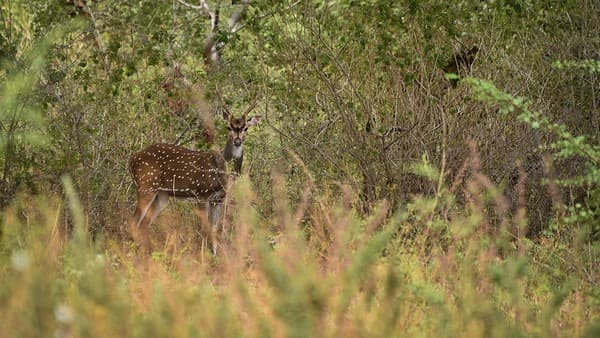
Good chance to spot sambar deer, water buffalo, toque macaque, wild boar
Rich birdlife: kingfishers, eagles, storks, herons and many migratory species
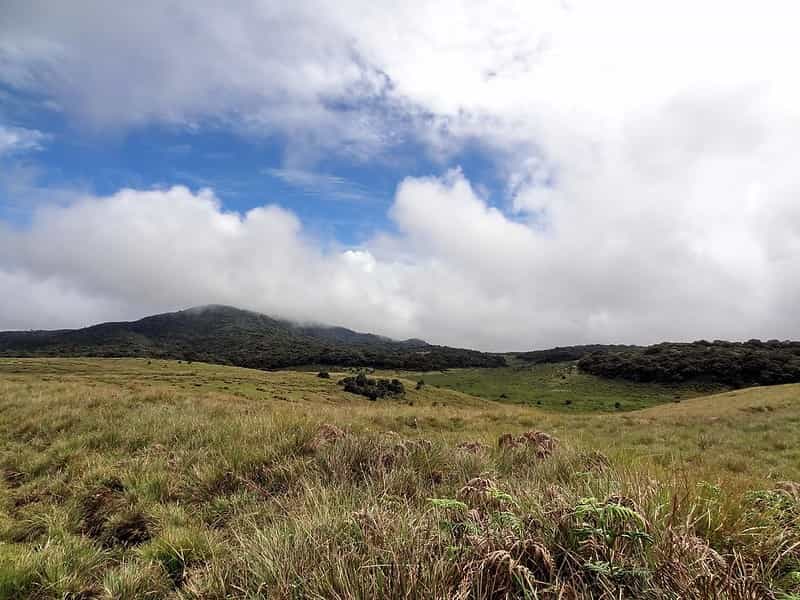
Open grasslands, marshes and tank (reservoir) habitats offering excellent photo opportunities
Close proximity to Udawalawe Elephant Transit Home — see rescued calves and learn about rehabilitation
Sunrise/sunset lighting makes for dramatic wildlife photography
Itinerary
Pickup from accommodation (for early-morning safari). Transfer to park entrance.
Start early to catch dawn activity and cooler temperatures. Arrange pickup the day before.
Morning jeep safari (3–4 hours).
Guided scan of grasslands, waterholes and forest edges. Stop for photo opportunities; wildlife sightings vary by season.
Return to entrance / visit Elephant Transit Home (optional).
Elephant Transit Home public viewing sessions are usually mid-morning; check feeding/rehab schedules.
Afternoon safari alternative.
Animals may be more active near water in late afternoon; light is good for photography toward sunset.
Safety Requirements
Follow all instructions from the park ranger/guide—do not attempt to approach or feed animals.
Stay inside the vehicle during the entire safari; open-top jeeps are common but do not stand on seats during encounters.
Carry plenty of water, sunscreen and a hat — the lowland dry-zone can be hot and exposed.
Use insect repellent in the evenings and after rains; mosquitoes can be present at water edges.
No littering; keep noise to a minimum to avoid stressing wildlife.
Tips
Bring binoculars and a telephoto lens (200–400mm) for close-up shots of elephants and birds.
Wear neutral-colored, lightweight clothing and closed shoes (dusty vehicle tracks).
Charge spare batteries and bring memory cards — safaris offer many photo opportunities.
Book morning or late-afternoon drives for cooler temperatures and better animal activity.
Combine with a visit to the Elephant Transit Home (nearby) for a conservation-focused experience — check viewing times in advance.
If you want exclusivity and flexibility, hire a private jeep and negotiate pickup/drop-off with the operator.
Respect wildlife and local customs; tipping guides/drivers (small local currency) is customary if service is good.