Safari in Wilpattu National Park
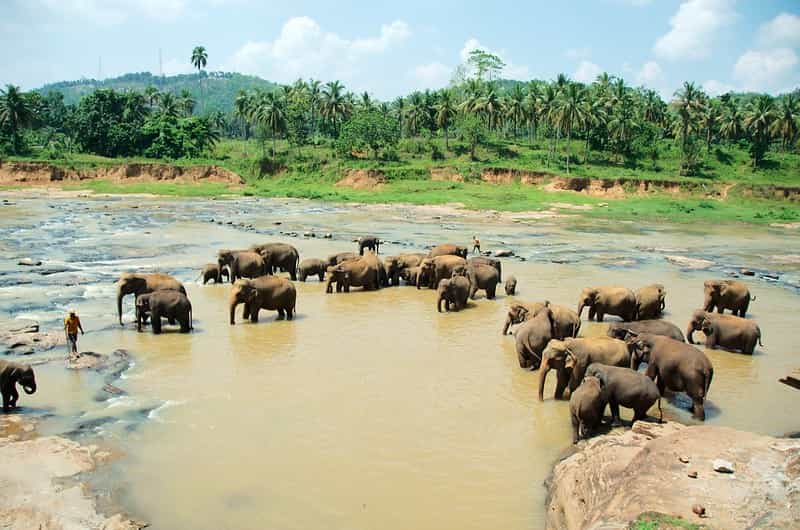
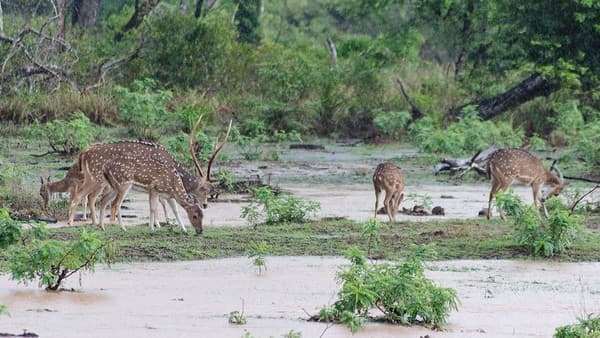
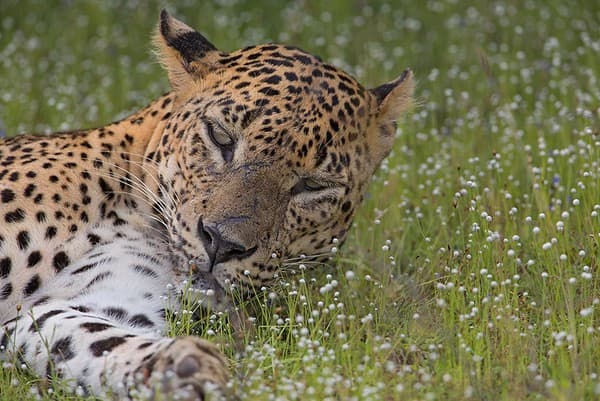
Wilpattu National Park safari offers a classic Sri Lankan dry-zone wildlife experience across its unique 'villus' (natural lakes). Expect sightings of elusive leopards, elephants, sloth bears, spotted deer, water buffalo and a rich variety of water and raptor birdlife, set in an open-canopy dry evergreen forest dotted with sandy tracks and large lagoons.
Location
Wilpattu National Park, Wilpattu (closest towns: Anuradhapura, Puttalam, Mannar), Sri Lanka
Duration
Half-day (3–5 hours) or full-day (6–8 hours) options. Typical morning safari: 5:30–10:30; typical evening safari: 14:30–18:30.
Best Time to Visit
Best months: February to October (dry season / clearer roads and better game-viewing). Avoid the peak of the northeast monsoon when access may be affected (typically late October–January in some years).
Pricing
Estimated pricing (subject to change):
- Park entry (foreign adult): USD 25–40 per person
- Local / resident rates: typically lower (check current local fees)
- Shared jeep safari (per person): USD 25–60
- Private jeep (per vehicle, half- to full-day): USD 80–200
- Ranger/guide fee: often included with jeep but may be USD 5–20 extra Notes: Prices vary by season, nationality (resident vs foreign), and whether you book through a tour operator or at park gates. Always confirm current fees before travel.
Activity Type
Coordinates
Highlights
High chance to spot leopards (Wilpattu is one of Sri Lanka's important leopard habitats).
Large 'villus' (natural lagoons) that attract abundant birdlife, waterbuck, and elephant herds.
Relatively uncrowded park compared with other Sri Lankan parks — more private feeling and peaceful drives.
Excellent birdwatching: storks, ibis, kingfishers, raptors and seasonal migrants.
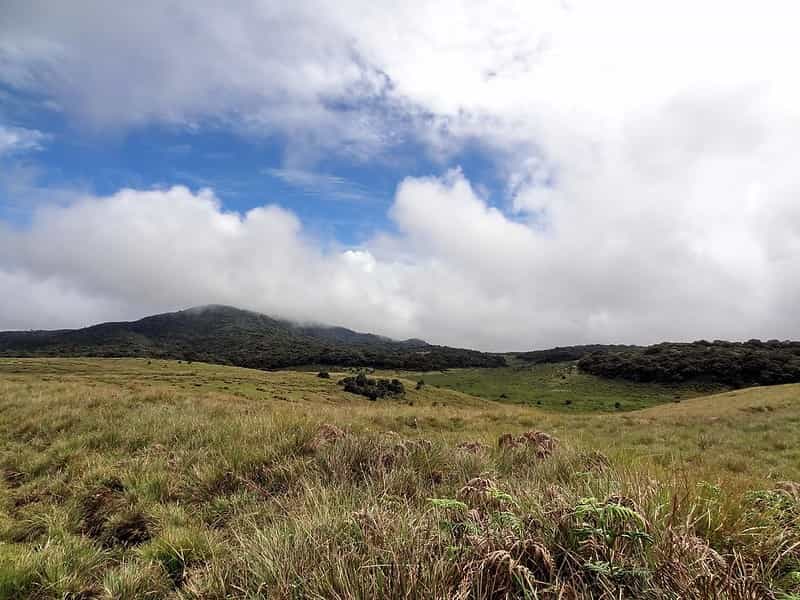
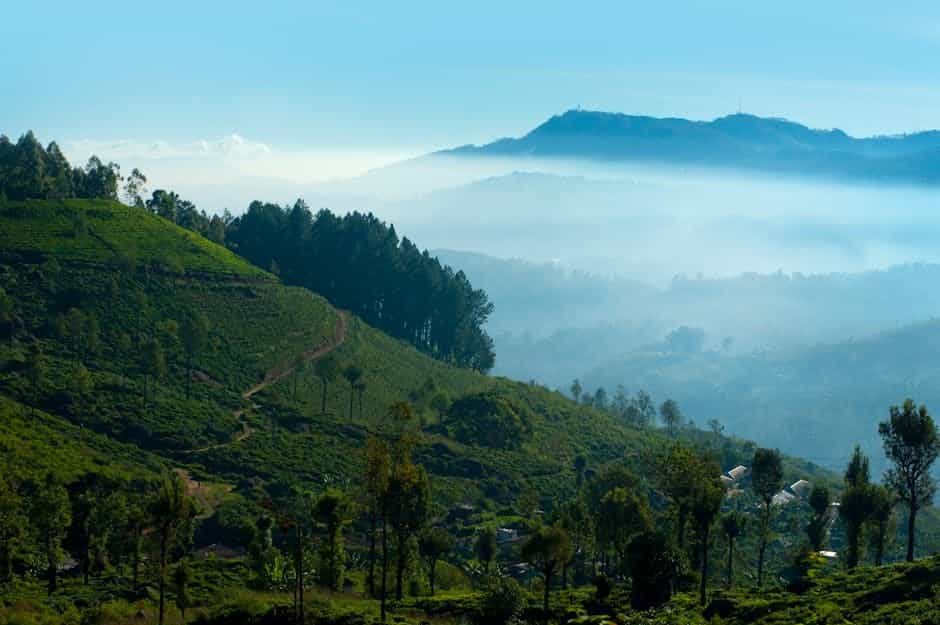
Unique dry-zone flora and scenic sandy tracks through forest and scrub.
Itinerary
Pickup from hotel / meet at park entry.
Early start recommended for best predator and general wildlife activity; expect a short transfer depending on where you're staying.
Morning jeep safari (core wildlife-viewing hours).
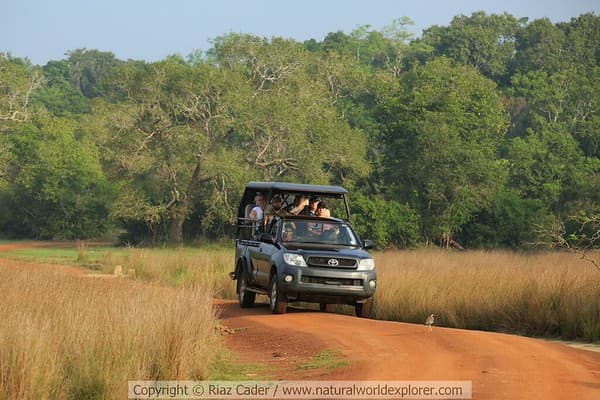
Drive through villus and forest tracks with frequent short stops for sightings and photography. Carry water, camera and binoculars.
Return to park gate / transfer to accommodation.
Option to extend with a packed lunch for a full-day option; many operators offer a mid-day break then a late-afternoon drive.
Afternoon / late-afternoon safari (optional).
Late-afternoon safaris can be excellent for elephant and predator activity as animals move toward water sources.
Safety Requirements
Always remain inside the vehicle unless explicitly permitted by a park official.
Follow instructions from the licensed driver/guide and ranger at all times.
Do not feed, entice or attempt to approach wildlife.
Carry sufficient water and sun protection; the dry zone can be hot midday.
Wear neutral-colored clothing; avoid bright colors and strong fragrances that can attract insects.
Be prepared for dusty tracks — secure camera gear and cover electronics if needed.
Check local health recommendations (routine vaccinations up to date; carry anti-malarial advice if applicable and insect repellent).
Tips
Book early morning safaris for the best chance to see predators and active wildlife.
Hire a licensed local guide/driver — they know the best tracks, seasonal behavior and will improve sightings.
Bring binoculars and a telephoto lens (200–400mm recommended) for wildlife photography.
Carry plenty of water, sunscreen, a wide-brim hat and light layers.
Use a camera with a fast shutter and keep ISO ready — wildlife moves quickly and light can change in villus.
If you have limited time, combine Wilpattu with nearby cultural sites (Anuradhapura) or coastal towns for a fuller trip.
Confirm park opening status and road conditions in advance — seasonal closures or access restrictions occasionally occur after heavy rains.
Respect local rules: avoid loud noise, do not litter, and minimise disturbance to animals.