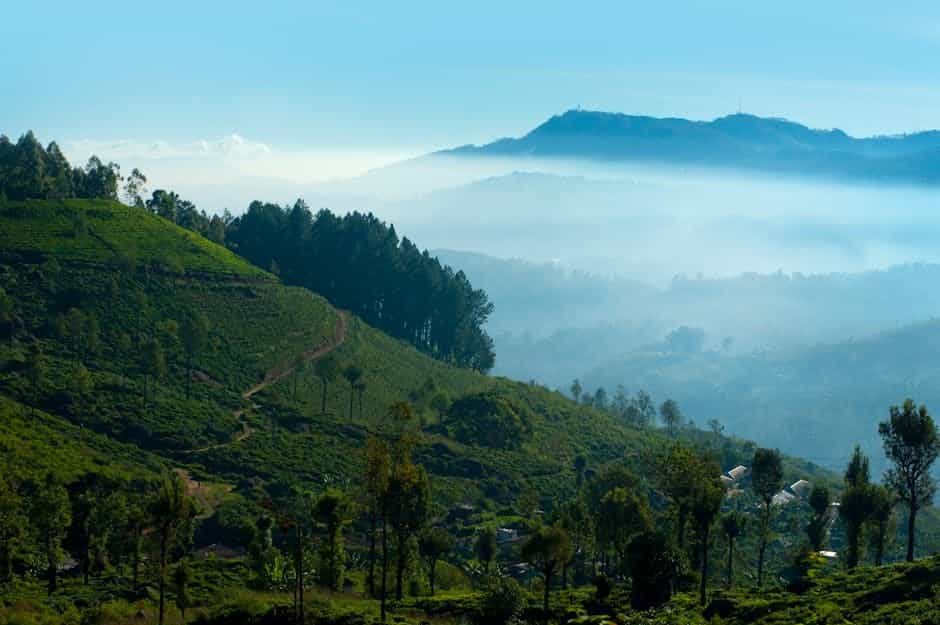
Safari in Yala National Park
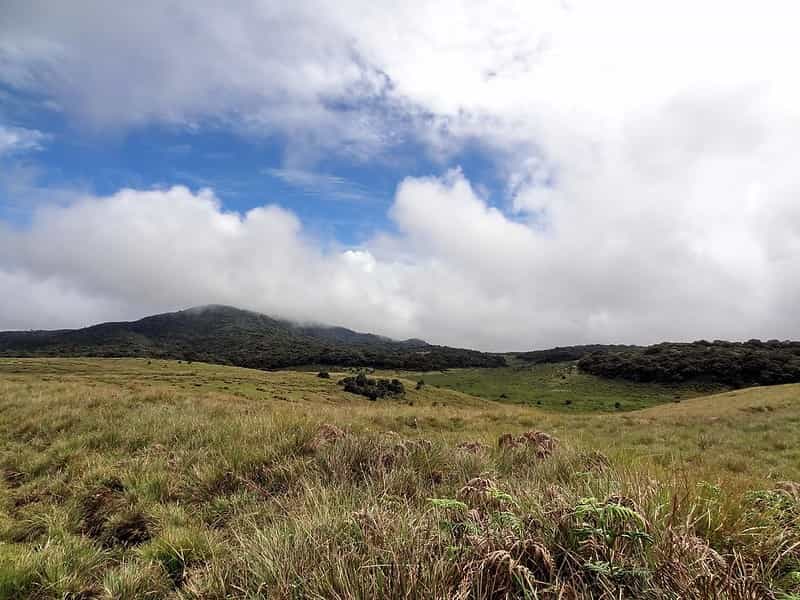
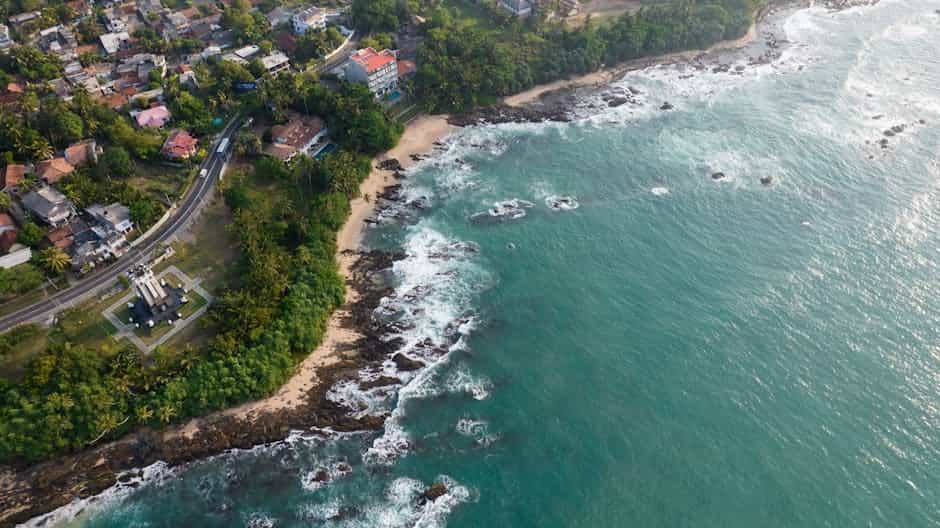
Experience wildlife in one of Sri Lanka's most famous national parks. Yala National Park is renowned for its high density of leopards and diverse wildlife including elephants, sloth bears, crocodiles, and over 200 bird species. Safaris are typically conducted in open-top jeeps with experienced naturalist guides who navigate the park's diverse habitats — dry plains, lakes, scrub, and coastal zones. Expect a combination of thrilling animal sightings and scenic landscapes by the Indian Ocean.
Location
Yala National Park, Yala / Tissamaharama area, Sri Lanka
Duration
3–6 hours per safari (half-day). Full-day options 8–10 hours including transfers and breaks.
Best Time to Visit
February to June (dry season) — highest chance to spot leopards and mammals. Secondary window: August to September can also be good for sightings; avoid the heavy monsoon months (October–January) for best accessibility.
Pricing
Typical prices vary by operator and season. Approximate ranges: • Shared half-day jeep safari (morning or afternoon): USD 35–70 per person. • Private half-day jeep safari: USD 100–180 per jeep (fits 4–6 passengers). • Full-day combined safaris or private tours: USD 150–300. Park entry and vehicle permit fees are usually additional (approx USD 15–25 for foreign adults, variable). Prices may increase during peak season (Feb–June) and for hotel transfers.
Activity Type
Coordinates
Highlights
High probability of spotting the elusive Sri Lankan leopard (Panthera pardus kotiya).
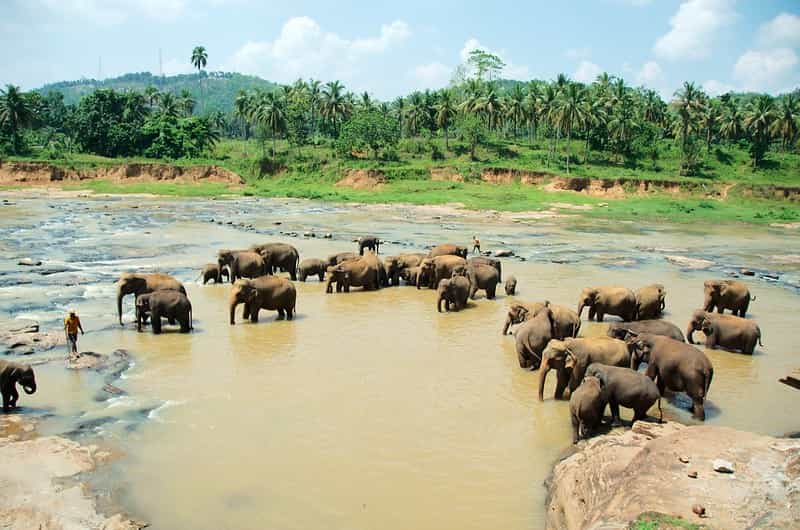
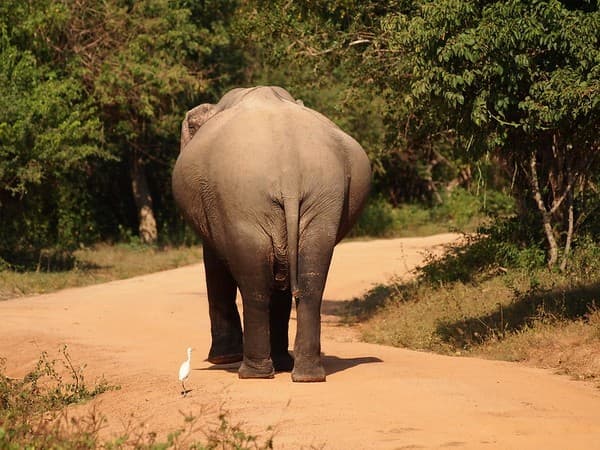
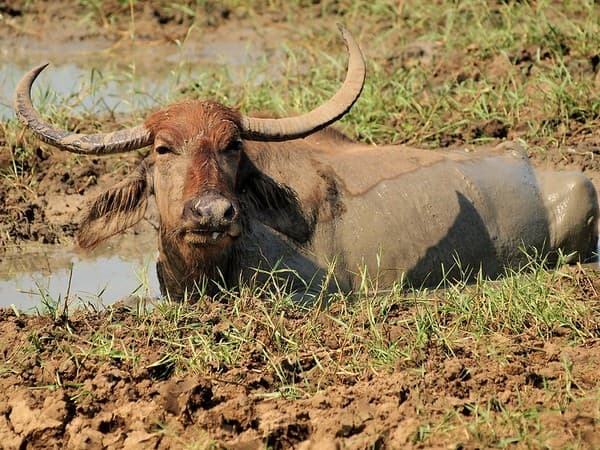
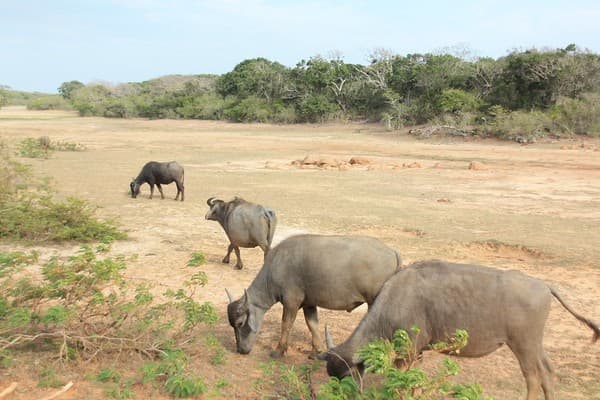
Large herds of Asian elephants and frequent sightings of water buffalo and sambar deer.
Rich birdlife — waterbirds, raptors, and migratory species (200+ species recorded).
Scenic landscapes: mix of scrub, wetlands, rocky outcrops and coastline — chance to see animals with an ocean backdrop.
Experienced naturalist guides who provide identification and behavioral insights.
Photographic opportunities from open-top jeeps during golden-hour safaris.
Itinerary
Pickup from accommodation near Yala/Tissamaharama and transfer to park gate.
Early start maximizes sightings; carry a light jacket for cool mornings.
Guided jeep safari through known animal zones; focus on predator hotspots and waterholes.
Best time for predator activity and soft morning light for photography.
Exit park, return to hotel or rest stop. Option for breakfast en route.
Short debrief with the guide; chances to spot a last-minute bird or reptile near exits.
Afternoon transfer to park for second safari (afternoon session).
Afternoon sessions can catch different species and behaviors as animals become more active later in the day.
Guided jeep safari focusing on waterholes and shaded areas where animals gather.
Golden hour provides dramatic lighting; leopards sometimes seen resting on rocks or in trees.
Safety Requirements
Always remain inside the vehicle unless instructed by the guide.
Follow all instructions from the licensed naturalist/driver — do not attempt to feed or approach wildlife.
Keep noise to a minimum and avoid sudden movements — this reduces stress on animals and improves sighting chances.
Bring any personal medications and inform your guide of medical conditions.
Park permits and vehicle entry are regulated — ensure operator provides valid permits and insurance.
Tips
Book safaris in advance — peak season (Feb–June) sells out quickly.
Choose experienced, licensed operators with good reviews and certified naturalist guides.
Bring binoculars, a telephoto lens (200–400mm recommended), and extra camera batteries/memory cards.
Wear neutral, muted colors (beige, olive) — avoid bright clothing that can startle animals.
Carry water, sunscreen, hat, and insect repellent. Morning temperatures can be cool; bring a light jacket.
Keep valuables secure — open jeeps can expose gear to dust and bumps.
Respect the environment: do not litter, and avoid using flash photography when animals are close.
If you want to maximize leopard sightings, opt for longer safaris and both morning + afternoon sessions.