See the Avukana Buddha statue
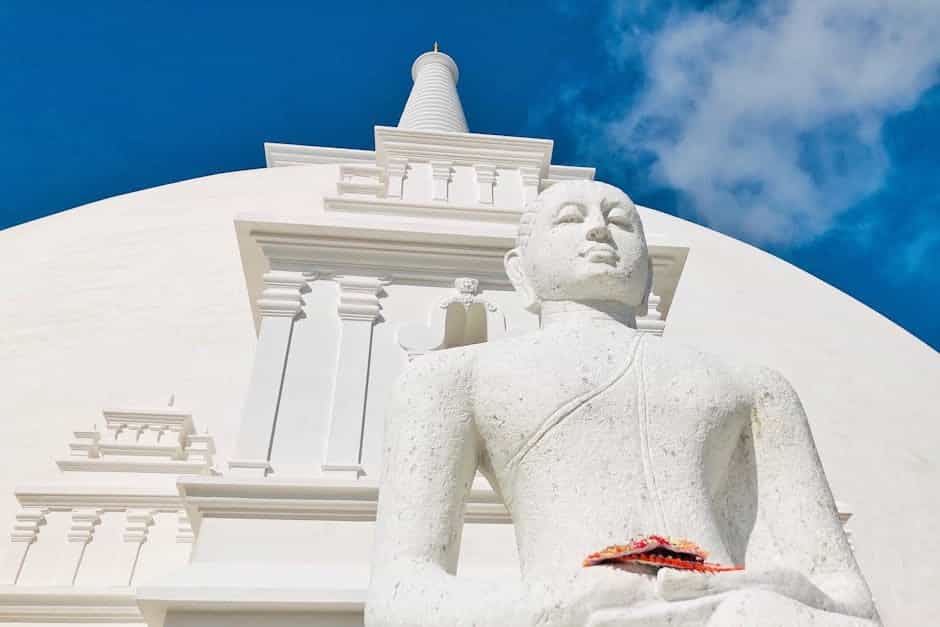
Avukana Buddha is a stunning 5th-century standing statue carved from a single granite outcrop near the village of Aukana. The figure—known for its graceful proportions, detailed drapery and serene expression—stands as one of Sri Lanka's finest examples of ancient stone sculpture and Buddhist devotional art. The site includes a small temple complex and offers panoramic views of the surrounding countryside.
Location
Avukana Rock Temple (Aukana), Kekirawa area (North Central Province), Sri Lanka
Duration
1–2 hours (site visit; longer if combined with nearby attractions)
Best Time to Visit
Dry season (November–April). Visit early morning (06:00–09:30) or late afternoon to avoid midday heat and harsh light.
Pricing
Small entrance fee for visitors (approx LKR 200–800 / US$1–4 depending on category); local guide fees optional (LKR 500–1,500). Cash commonly required for small purchases and tips.
Activity Type
Coordinates
Highlights
Approximately 12-meter (40-foot) standing Buddha carved from a single granite face—remarkable preservation and artistry.
Finely carved robe folds and delicate facial features illustrating classical Sri Lankan sculpture.
Close-up viewing area and temple precinct where you can observe ritual offerings.
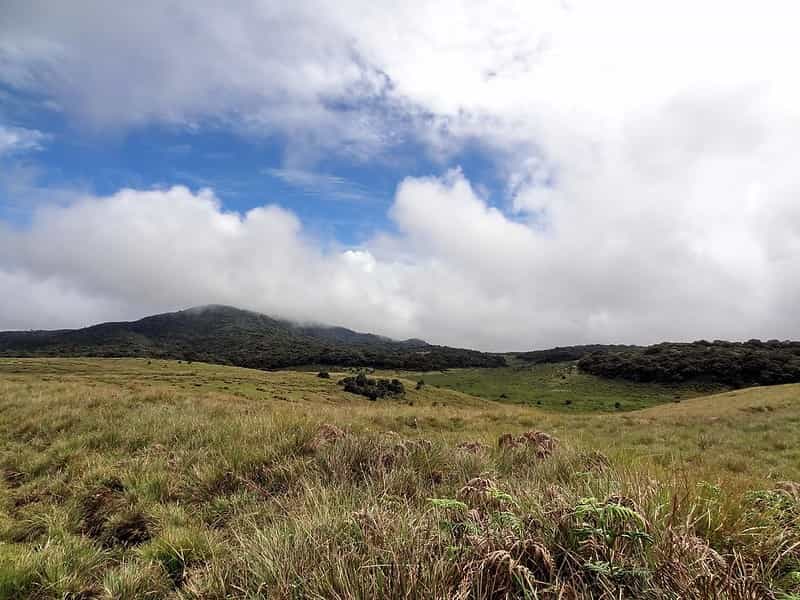
Views over surrounding paddy fields and nearby Kala Wewa reservoir on clear days.
Short, pleasant walk around the rock outcrop and small archaeological remains nearby.
Itinerary
Arrival and ticketing
Buy tickets at the entrance; arrival early helps avoid crowds and heat.
Approach and first viewing
Walk up the approach path and take in the statue from the main viewing platform—good opportunity for photos.
Close inspection and temple visit
Remove shoes before entering temple precinct. Observe carvings, small shrines and local worship practices respectfully.
Short walk to viewpoints and surrounding rock
Explore nearby viewpoints for landscape photos (watch your step on uneven rock).
Optional: local guide talk / travel on
Hire a local guide if you want deeper historical context. Combine with visits to Kala Wewa, Kekirawa sites or Dambulla/Sigiriya on a longer day trip.
Safety Requirements
Wear modest clothing covering shoulders and knees when entering temple precinct.
Remove shoes and hats in designated temple areas.
Watch your footing—steps and rock surfaces can be uneven or slippery after rain.
Do not climb on the statue or restricted areas—follow signage and staff instructions.
Carry water, sun protection and a hat; temperatures can be high, especially midday.
Tips
Best light: Early morning for softer light on the statue and cooler temperatures.
Dress respectfully: Cover shoulders and knees; this is an active religious site.
Photography: Allowed in most areas—avoid flash and do not disturb worshippers.
Combine trips: Pair with Kala Wewa, Kekirawa village sites, or the Cultural Triangle (Dambulla, Sigiriya, Polonnaruwa) for a full-day itinerary.
Local guide: Hiring a knowledgeable guide (available at the entrance) enriches the historical context.
Cash & facilities: Bring small-change LKR for entrance, guides and refreshments; facilities are basic.
Transport: Road access is good by car or tuk-tuk from Kekirawa; parking is usually available near the site.