Surf the breaks at Arugam Bay
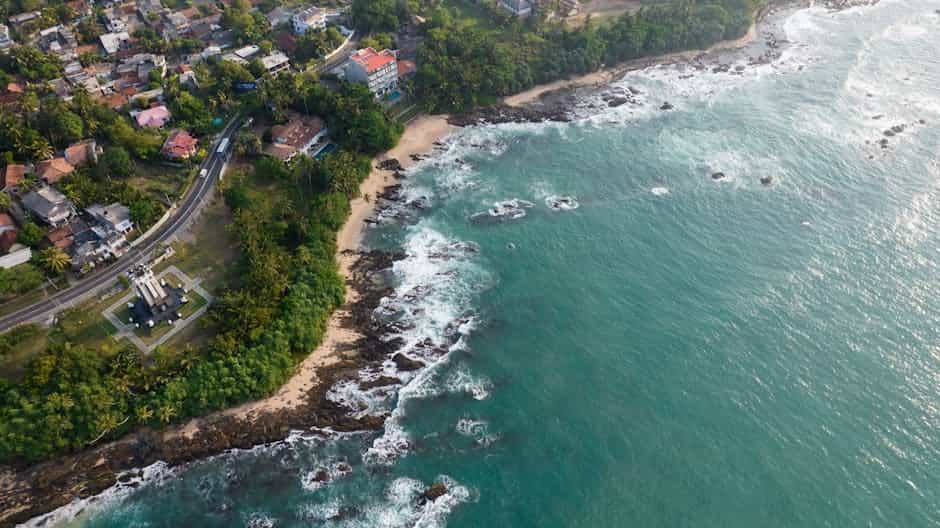
Experience world-class right-hand point breaks at Arugam Bay, Sri Lanka’s premier surf destination. Suitable for intermediate to advanced surfers at the main breaks, with beginner-friendly spots and lessons available. Expect long peeling waves, warm water, and a relaxed surf-village atmosphere.
Location
Arugam Bay main beach & surrounding breaks (Main Point, Elephant Rock, Peanut Farm, Pottuvil Point, Whiskey Point), Arugam Bay, Sri Lanka
Duration
2–4 hours per surf session (typical half-day). Full-day guided surf safaris and multi-day surf packages also available.
Best Time to Visit
Peak surf season: May to September (best swells and most consistent waves). Shoulder season: April and October can also work. East coast is generally less reliable November–March (north-east monsoon).
Pricing
Typical costs (approx.):
- Board rental: USD 10–20 / day
- Group lesson (2 hours): USD 25–45
- Private lesson (1–2 hours): USD 50–100
- Guided surf safari / boat transfer to remote breaks: USD 40–120 per half/ full day
- Local surf packages (multi-day accommodation + surf guiding): USD 80–200+ per night depending on comfort level Prices vary by season (peak season higher) and by board/guide quality. Always confirm what’s included (insurance, transfers, photos).
Activity Type
Coordinates
Highlights
Main Point – long, fast right-hand point break for experienced surfers.
Peanut Farm – fun rights with variety; good for intermediate surfers.
Pottuvil Point – one of the longest right-handers; perfect for longboarders and intermediates on smaller days.
Whiskey Point & Elephant Rock – shelter and sandier entries; good alternative breaks depending on tide and swell.
Warm Indian Ocean water (no wetsuit needed year-round).
Vibrant surf community, surf shops, and beachfront cafes.
Itinerary
Pickup from your guesthouse / surf camp
Short briefing, equipment check and transfer to the selected break based on conditions.
Morning surf session (2–3 hours)
Warm-up, guided line-up for learners or guided wave selection for intermediates/advanced. Take regular breaks and hydrate.
Lunch / rest
Local cafes and beach shacks offer fresh seafood, rice & curry, smoothies.
Afternoon surf session or exploring alternate breaks
Tide and wind often change—your guide will pick the best sheltered break for the afternoon.
Sunset, return to accommodation
Optional sunset photos, board rinse, gear drop-off; discuss next-day surf plan.
Safety Requirements
Basic swimming ability recommended; intermediate to advanced skills needed for Main Point and big swells.
Knowledge of rip currents and how to escape them; always ask local guides about hazards.
Some breaks are reef/rocky — consider reef booties and reef-safe wax; check for sharp coral.
Wear a leash and an appropriate board for your level; use a sun-protective rashguard and reef-safe sunscreen.
Local conditions can change quickly—follow advice from experienced local guides and lifeguards (where present).
Travel insurance that covers water sports is strongly recommended.
Tips
Book lessons or a local guide if you’re not familiar with the breaks — locals know the safest line-ups and best tides.
Respect the local surf etiquette and line-up hierarchy; locals may be protective of prime peaks.
Best winds are usually offshore in the early morning—plan sessions accordingly.
Bring cash (LKR or USD) for rentals, tips and food—many small shops don’t accept cards.
Protect against sun and mosquitoes; bring a reusable water bottle and stay hydrated.
If renting a board, choose one suited to the conditions: longboards or hybrid funboards for smaller days, shortboards for the point breaks.
Consider multi-day stays (3–7 days) to maximize chances of catching good swell windows.
Support sustainable tourism: avoid stepping on coral, take litter with you, and use reef-safe sunscreen.