Visit turtle hatcheries
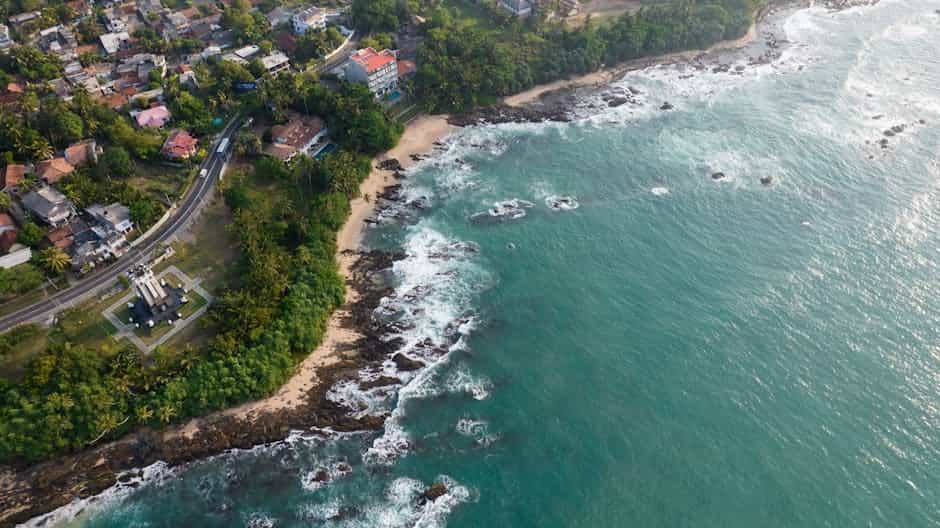
Visit the community-run and NGO-backed sea turtle hatcheries in Kosgoda, a coastal village in southern Sri Lanka. Learn about sea turtle conservation, see eggs and hatchlings in protected enclosures, meet local conservationists, and (when available) participate in supervised release of newly hatched turtles into the sea.
Location
Kosgoda Sea Turtle Hatcheries (including Kosgoda Turtle Conservation Project and nearby community hatcheries), Kosgoda / Bentota area (Southern West Coast), Sri Lanka
Duration
Typical visit: 1–2 hours. If timing a hatchling release or night patrol, allow 2–3 hours (including travel and briefing).
Best Time to Visit
Year-round activity, with the dry season (November–April) easiest for daytime visits. Nesting and hatching can occur throughout the year; peak nesting/hatching events depend on species (many releases occur May–September and November–March). Evening/night guided patrols are best for witnessing nesting.
Pricing
Donation-based entry to most hatcheries. Typical suggested donations or activity fees: LKR 200–1,000 (~USD 1–5) for general visits; supervised hatchling release fees commonly range LKR 1,500–4,000 (~USD 8–20) per group/individual depending on season and hatchery. Prices vary by project and can change, so carry cash and confirm current fees with the hatchery before visiting.
Activity Type
Coordinates
Highlights
See sea turtle species common to the area: Olive ridley, Green turtle, Hawksbill and Leatherback (species presence varies seasonally).
Guided educational tours explaining egg protection, incubation and threats to turtles.
Observe nests and hatchlings in protected enclosures.
Participate in supervised release of hatchlings into the sea (when available and ethical).
Night patrols to observe nesting turtles (with trained guides) and beach habitat.
Support local conservation and community-led projects.
Itinerary
Morning visit to hatchery
Meet staff, short talk on turtle biology and threats, tour of hatchery pens and egg incubation areas.
Observation and Q&A
See hatchlings and rescued juveniles, ask questions about tagging, rehabilitation and community programs.
Evening hatchling release (seasonal)
Supervised release at dusk is common — volunteers are briefed to ensure minimal stress to hatchlings. Confirm timing with hatchery; releases depend on hatchling availability.
Night beach patrol (optional)
Guided patrols follow protocols: keep distance, no flash photography, quiet approach. Patrols increase chances of seeing nesting adults.
Donation and souvenir shop
Most hatcheries accept cash donations and sell small educational souvenirs to support conservation work.
Safety Requirements
Follow all instructions from hatchery staff and guides — they protect both visitors and turtles.
Do not touch adult turtles or hatchlings unless specifically instructed and supervised by staff.
No flash photography or bright lights during night patrols or releases — this disorients turtles.
Keep a respectful distance from nests and markers; do not walk on marked nesting areas.
Watch tides and slippery sand; wear appropriate footwear for night visits.
Children should be supervised at all times.
Tips
Book or call ahead if you want to participate in a hatchling release or night patrol — these can be schedule-dependent.
Bring cash in small denominations for donations and local purchases; many small operations do not accept cards.
Wear neutral/dark clothing for night visits, and bring a low-light torch with a red filter if allowed (check with guides).
Bring insect repellent and sunscreen for daytime visits.
Go with a reputable hatchery or NGO — ask about their rehabilitation and release protocols to ensure ethical practices.
Respect local rules: do not collect shells, disturb wildlife, or leave rubbish on the beach.