Adam’s Peak (Sri Pada), Sri Lanka
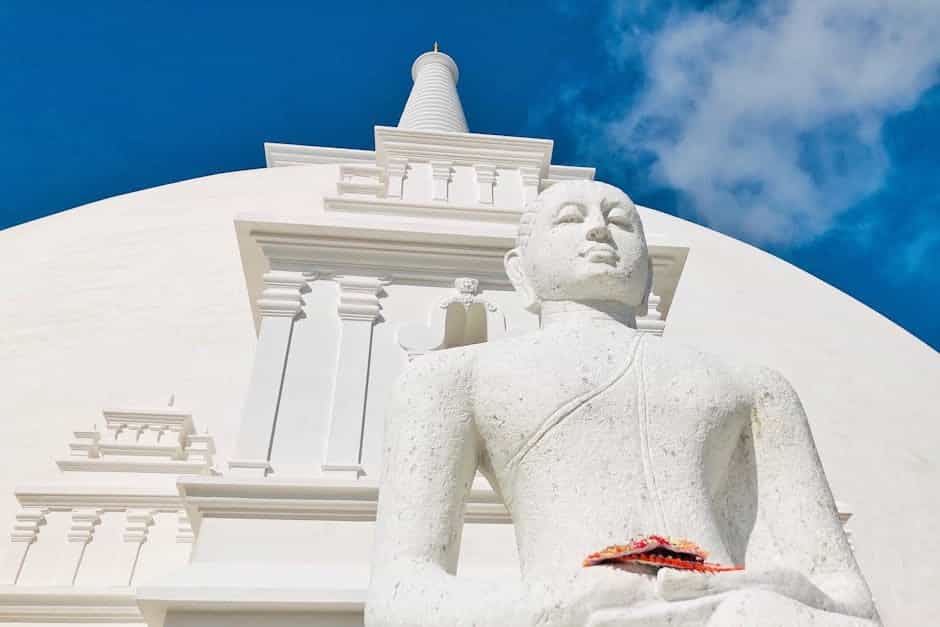
Adam's Peak (Sri Pada) is one of Sri Lanka's most sacred mountains. Standing at 2,243 meters, it has deep religious significance for multiple faiths: Buddhists revere the indentation at the summit as the footprint of the Buddha (Sri Pada), Hindus identify it with Lord Shiva, and some Christians and Muslims call it Adam's or St. Thomas' footprint. The mountain is also part of the Peak Wilderness Sanctuary, important for its montane cloud forest, endemic wildlife and as a watershed for several rivers.
Last updated: 23 Oct 2025
Places to visit
- The summit and the sacred footprint shrine (Sri Pada temple)
- Sunrise view and the mountain's triangular shadow
- Night-time pilgrimage route with lit steps and rest huts
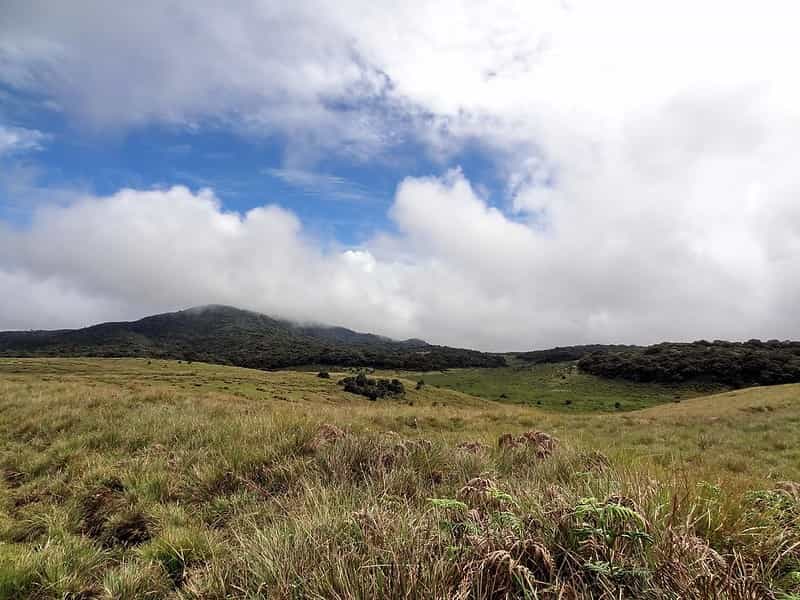
- Peak Wilderness Sanctuary and surrounding montane forests
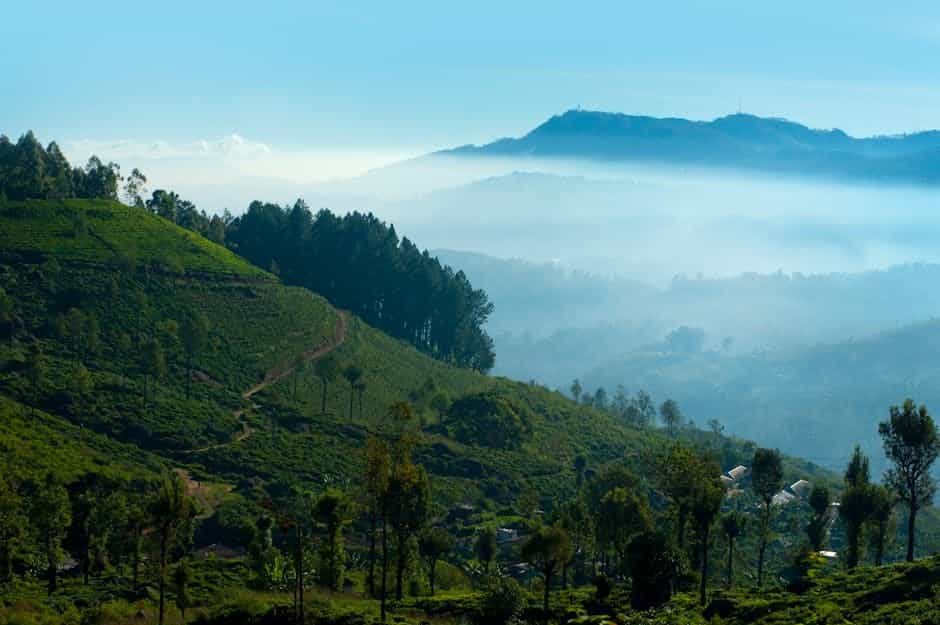
- Tea plantations and colonial-era hill country scenery on approach
Unique Aspects
- Height: 2,243 meters (7,359 ft)
- Distinctive cone-shaped shadow visible at sunrise
- Multi-faith pilgrimage site with centuries-old traditions
- Seasonal pilgrimage infrastructure (stone steps, lamps, rest stops)
- High biodiversity: endemic birds, plants and amphibians
Things to do
- Night-time pilgrimage hike to reach the summit for sunrise
- Visit the Sri Pada shrine and offer prayers or donations
- Photography of the sunrise and the mountain’s shadow cone
- Birdwatching and nature walks in the Peak Wilderness Sanctuary
- Guided treks and cultural tours of nearby tea estates and villages
Best Time to Visit
December–May (pilgrimage season) — clearer skies and safer trails; best months for sunrise visibility are December to February.
Weather Conditions
Cool temperatures at the summit (often near or below 10°C at night). Wet season (May–November) brings heavy rain and slippery trails. Nights are cold; daytime in the lowlands is warm and humid.
Accessibility
Nearest major transport hubs: Colombo (Bandaranaike International Airport ~4–5 hours by road) or Colombo by train to Hatton. Common trailheads: Nallathanniya (Dalhousie) — the most popular route (shorter but steeper for the final ascent), and the longer Hatton route. Access by train to Hatton followed by bus or tuk‑tuk to the starting point is typical. Roads up to trailheads are accessible by car, taxi or bus; expect basic facilities along the way.
Recommended Duration
Plan for an overnight trip: 6–10 hours including ascent and descent if you climb in one go; alternatively allow 2 days to approach, rest and climb at a comfortable pace.
Clothing & Gear Tips
Warm layers (fleece/jacket), waterproof outer layer, sturdy hiking boots, headlamp or torch (plus spare batteries), gloves, hat, trekking pole, water (at least 1–2 liters), high-energy snacks, small first-aid kit, and cash for donations/refreshments.
Local Food & Souvenirs
Local hill-country specialties: Ceylon tea (buy fresh from nearby plantations), king coconut, rice and curry, and hoppers. Souvenirs include prayer flags/threads, temple offerings, religious tokens, and locally produced tea leaves and handicrafts.