Bahirawakanda Vihara Buddha Statue, Sri Lanka
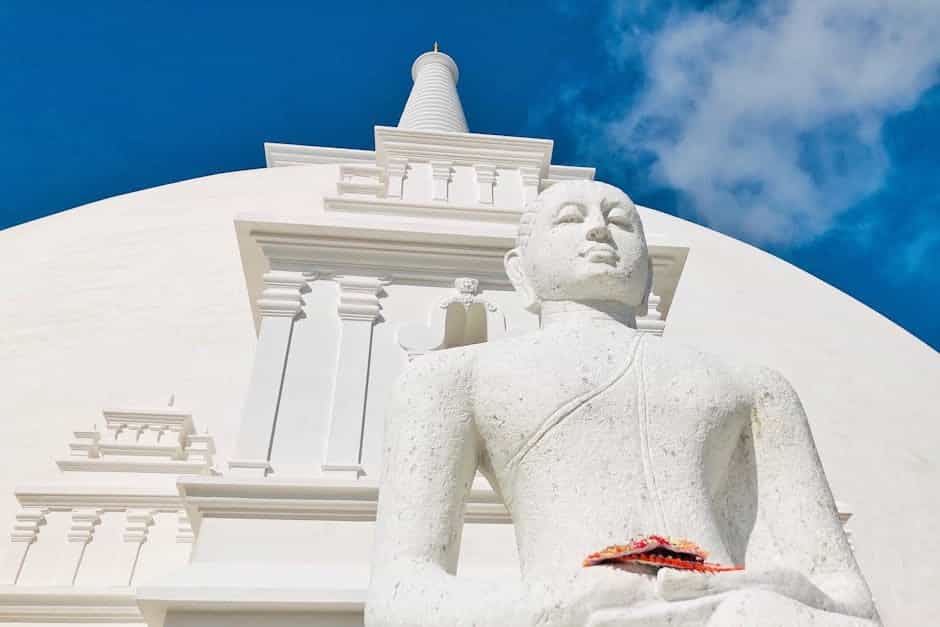
Bahirawakanda Vihara Buddha Statue is a major modern Buddhist landmark perched on Bahirawa Kanda (Bahirawakanda) hill overlooking Kandy city. The large seated Buddha serves both as an active place of worship and as a prominent city landmark visible across Kandy, symbolizing the area's Buddhist heritage and offering panoramic views of the surrounding central highlands. The site blends religious importance with scenic value, attracting pilgrims, local devotees and tourists.
Last updated: 23 Oct 2025
Historic Anecdotes
Local stories link the hill's name to the guardian spirit Bahirawa (a protective deity) who was venerated in older folk traditions before the modern temple was built. There are also many personal pilgrimage tales about visitors receiving blessings, and the statue is often associated with protection and good fortune for the city below.
Places to visit
- Large seated Buddha statue on Bahirawakanda hill
- Main shrine/ordination hall and subsidiary shrines
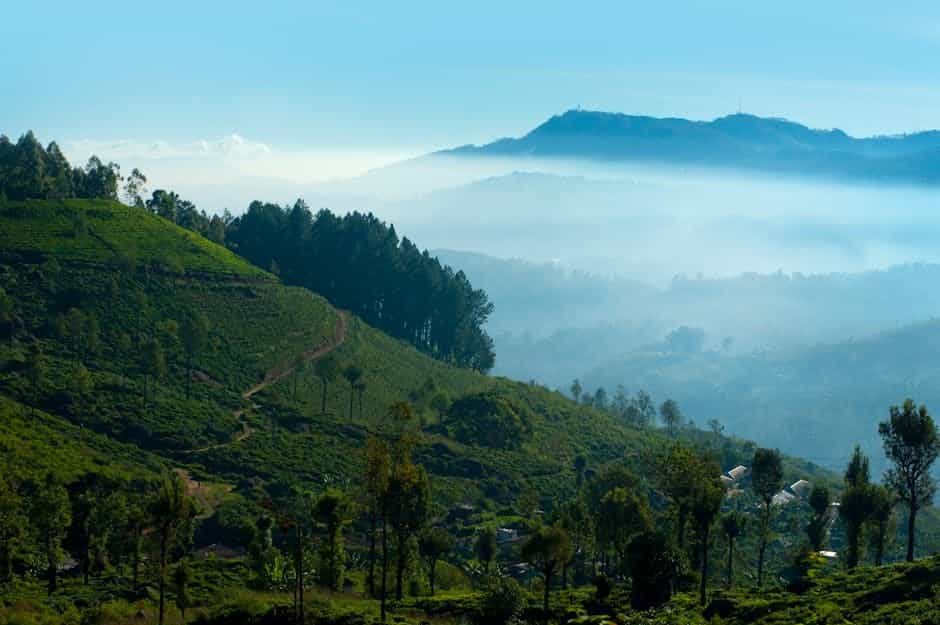
- Panoramic viewing platforms overlooking Kandy city and the surrounding hills
- Meditation areas and prayer halls
- Statuary and murals in the temple complex
Unique Aspects
- The towering white seated Buddha is a visually dominant landmark visible from many points in Kandy
- Excellent 360° vantage point for sunrise/sunset and cityscape photography
- Calm temple atmosphere suitable for meditation and quiet contemplation
- Easily combined with a visit to Kandy’s other major sites (Temple of the Tooth, Kandy Lake)
Things to do
- Offerings, devotional rituals and observing Buddhist puja ceremonies
- Climbing the hill or driving up to the statue and using the viewing platforms for city panoramas
- Photography—landscape and architecture
- Participating in or observing meditation sessions
- Buying small devotional items and making donations to the temple
Festivals & Events
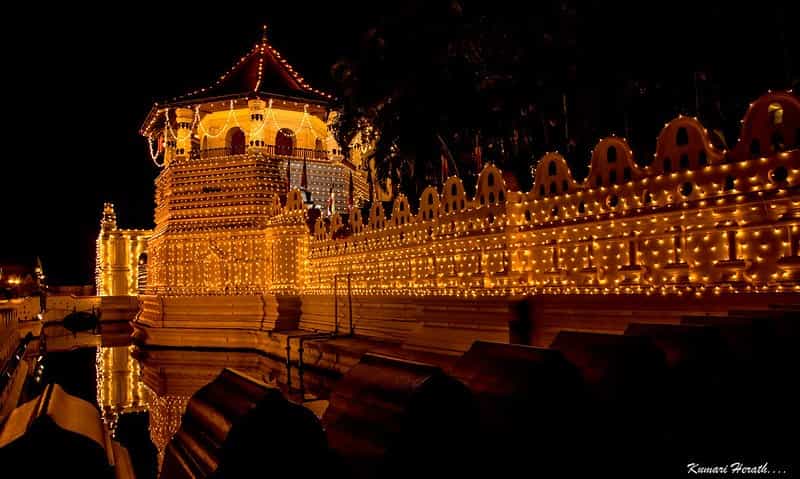
- Vesak and Poson celebrations with special lighting and offerings (Vesak often features illuminated displays)
- Monthly Poya (full-moon) day observances and special pujas
- Local temple-organized merit-making events and occasional special sermons
Best Time to Visit
Dry season and clearer-sky months (roughly December to April) are best for unobstructed views. Early morning and late afternoon offer the most pleasant light and cooler temperatures.
Weather Conditions
Kandy is in the central highlands: generally mild and humid with frequent showers possible, especially during monsoon periods. Expect cooler evenings and occasional fog on the hill.
Entry Fees & Permits
Entry to the temple precinct and view areas is typically free, though donations are customary. Typical visiting hours are early morning (around 5:00–6:00) until early evening (around 18:00–19:00); exact hours may vary, so check locally.
Accessibility
The site is about 2–4 km from central Kandy depending on the route and is reachable by tuk‑tuk, taxi, private car, or on foot for those who enjoy a climb. The nearest major rail stop is Kandy Railway Station; the nearest international airport is Bandaranaike International Airport (Colombo, ~90–120 km). There are steps and sloped paths—those with limited mobility should confirm access or use a vehicle to reach the platform.
Recommended Duration
1–2 hours (short visit for photos and views; 2–3 hours if joining ceremonies or meditating)
Clothing & Gear Tips
Dress modestly (shoulders and knees covered) when entering the temple; remove shoes and hats inside shrines. Bring a light rain jacket or umbrella, comfortable walking shoes, a hat and water bottle.
Local Food & Souvenirs
Nearby Kandy town offers a wide selection of Sri Lankan snacks and meals—rice and curry, short eats, string hoppers and sweets. Souvenirs include small Buddha statues, wooden masks and carvings, local handicrafts and devotional items.