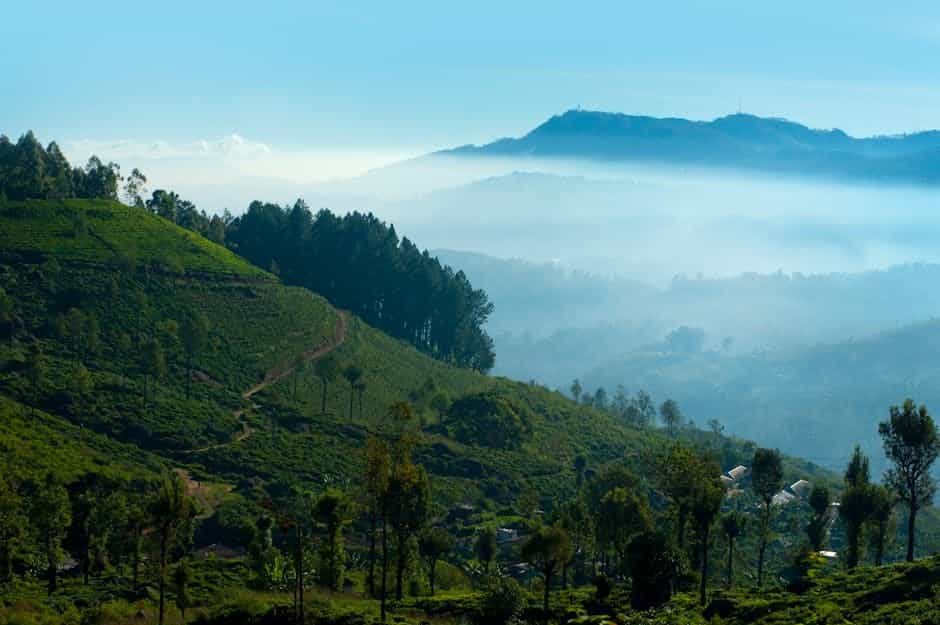
Belilena Cave, Sri Lanka
Belilena Cave (Beli Lena) is one of Sri Lanka's most important prehistoric archaeological sites. Excavations have revealed human skeletal remains, stone tools and faunal assemblages that provide evidence of Palaeolithic and Mesolithic occupation in the island's central highlands. The site is closely associated with studies of the so‑called "Balangoda Man" and contributes to our understanding of early Homo sapiens settlement, behavior and adaptation in South Asia (occupation layers are often dated to tens of thousands of years ago).
Last updated: 23 Oct 2025
Places to visit
- Belilena Cave archaeological exposures and rock shelter
- Visible excavation trenches and fossil-bearing deposits (viewable from a respectful distance)
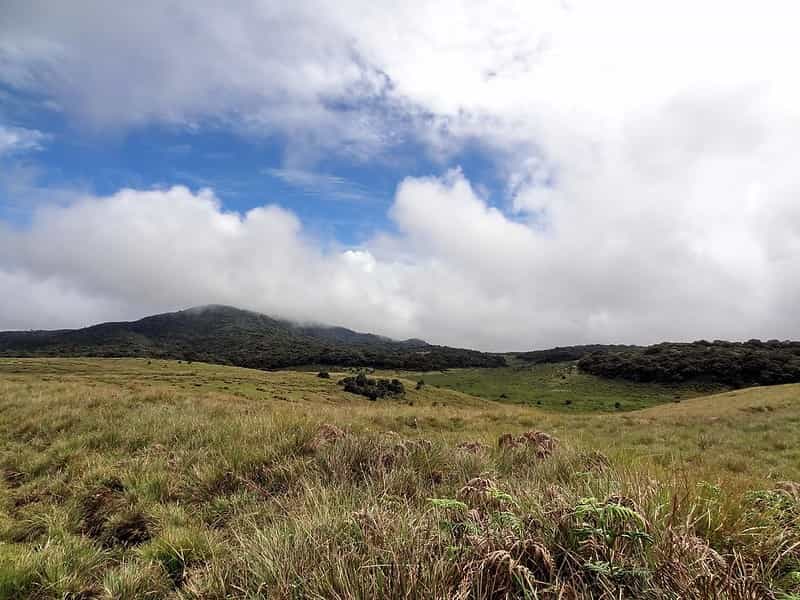
- Surrounding montane forest and scenic highland landscape
- Opportunities to learn about Balangoda Man and prehistoric tools
Unique Aspects
- Human skeletal remains and burial-related finds (important to Sri Lankan prehistory)
- Stone tool assemblages (microliths and other lithics)
- Faunal remains showing prehistoric diets (small mammals, birds, freshwater resources)
- Rock shelter morphology typical of highland cave sites
Things to do
- Short guided walk to the cave and rock shelter (arrange a local guide through Balangoda or the regional tourist office)
- Photography of the surrounding highland scenery (note: interior access may be restricted)
- Birdwatching and nature walks in adjacent forest patches
- Visit local museums or university departments in Sri Lanka with exhibits or publications on the excavations (for deeper background)
Best Time to Visit
Drier months (approx.): December to March are generally the most comfortable months to visit the central highlands when heavy rains are less likely. Expect changeable weather year-round in hilly terrain.
Weather Conditions
Cooler highland climate compared with the lowlands: mornings can be cool and misty, afternoons mild; sudden showers are possible. Bring layers and waterproof protection.
Entry Fees & Permits
Belilena is an archaeological site under government protection; there is often no formal visitor center at the cave itself. Access policies can change — check with the Department of Archaeology or the local tourist office in Balangoda. If guided visits are offered, a modest guide fee or donation may apply.
Accessibility
Nearest town: Balangoda (regional hub for access). The site is reached by road from Balangoda with a short walk/hike over uneven terrain to the shelter. The nearest major international airport is Bandaranaike International Airport (Colombo) — road travel to the highlands takes several hours. Access may be challenging for visitors with limited mobility; sturdy footwear and a moderate fitness level are recommended.
Recommended Duration
Plan 2–4 hours for a visit from Balangoda (including travel to/from the cave and a short guided walk). For travelers coming from Colombo or other cities, allocate a full day or stay overnight in the highlands.
Clothing & Gear Tips
Wear sturdy walking shoes, long trousers, a light waterproof jacket, insect repellent and a hat. Bring drinking water, snacks and a small first-aid kit.
Local Food & Souvenirs
While in the region, try highland specialties and fresh Sri Lankan tea from the Uva/Badulla area. Souvenirs include locally produced tea, handicrafts and spices. Respect local guidelines and do not collect archaeological material or disturb the site.