Dambulla Cave Temple (Golden Temple), Sri Lanka
Dambulla Cave Temple (Golden Temple) is Sri Lanka's largest and best-preserved cave temple complex and a UNESCO World Heritage Site. The site preserves continuous devotional use from the 1st century BCE onward and is an outstanding example of Buddhist religious art, with extensive murals, statues and monastic architecture reflecting several centuries of artistic development and royal patronage.
Last updated: 23 Oct 2025
Historic Anecdotes
According to tradition, King Valagamba (Valagambahu) took refuge in the caves during foreign invasions in the 1st century BCE; after regaining his throne he converted the caves into a temple complex. Local legend and devotional lore connect the rock and caves with protective deities, and the site has long attracted pilgrims seeking blessings and merit.
Places to visit
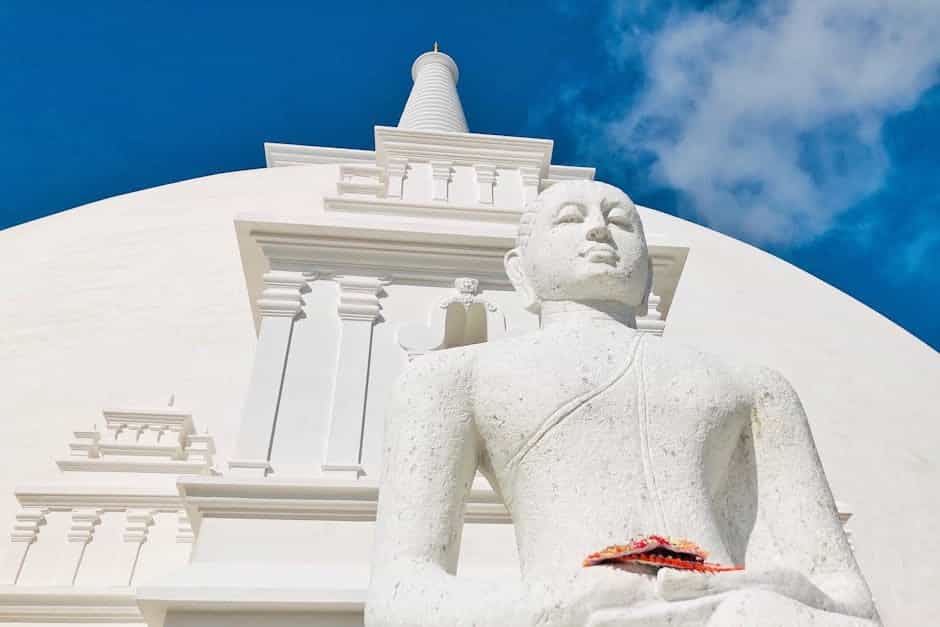
- Five main caves filled with Buddha statues and attendant figures
- The large reclining Buddha statue (notable length inside one of the caves)
- Extensive wall and ceiling murals depicting the life of the Buddha and scenes from Sri Lankan history
- Gilded stupa and shrine areas on the rock plateau and approach
- Panoramic views over the surrounding agricultural landscape from the temple rock
Unique Aspects
- More than 150 Buddha statues in varying postures (seated, standing, reclining)
- Approx. 2,100 m² of vibrant mural painting covering cave walls and ceilings
- Integration of sculpture and painted narrative cycles spanning many centuries
- An active monastery complex still used for worship and pilgrimage
- Rock-cut architecture that blends natural cave chambers with built shrines
Things to do
- Guided or self-guided exploration of the five caves and their statues and murals
- Photography of exteriors, cave entrances and many artworks (observe restrictions inside sanctuaries)
- Meditation and quiet reflection in temple areas (respecting worshippers)
- Short hikes and enjoying viewpoints around the rock
- Visiting nearby attractions such as the Golden Temple Museum and local markets
Festivals & Events
- Vesak (full-moon festival celebrating the Buddha's birth, enlightenment and passing) — major devotional activities
- Poson Poya — important for pilgrimages to ancient Buddhist sites in Sri Lanka
- Poya day ceremonies (monthly full-moon days) — regular local religious observances
Best Time to Visit
Dry season (November–April) is generally the most comfortable time to visit for clearer skies and easier walking; however the site is open year-round and avoids the heaviest monsoon downpours.
Weather Conditions
Tropical, hot and humid. Temperatures typically range from warm to hot; expect sun and heat during the day and occasional showers in the inter-monsoon periods.
Entry Fees & Permits
Entry is ticketed and fees differ for locals and foreign visitors; confirm current prices at the official ticket counter. Typical opening hours are roughly early morning to early evening (for example, about 7:00–19:00), but times can vary — check locally before visiting.
Accessibility
Located near Dambulla town (central Sri Lanka). The nearest major international airport is Bandaranaike International Airport (Colombo, ~150 km by road). Regular bus and private transfers link Dambulla with Kandy, Sigiriya and Anuradhapura. Visitors must climb a flight of steps from the car park to the caves; the site is not fully wheelchair accessible and some areas require modest climbing and walking on uneven surfaces.
Recommended Duration
Plan 1–2 hours to explore the caves and immediate surroundings; longer if you include nearby sights or a relaxed visit with meditation or a guided tour.
Clothing & Gear Tips
Wear modest clothing that covers shoulders and knees (required in many temple areas). Comfortable, non-slip shoes are recommended for climbing steps (you will remove shoes before entering shrine areas). Carry water, a hat, sunscreen and insect repellent.
Local Food & Souvenirs
Try Sri Lankan specialties in Dambulla and nearby towns — rice and curry, hoppers (appa), kottu roti, and fresh tropical fruit. Souvenirs include carved Buddha figures, local lacquerware, handloom textiles, spices (cinnamon), and small devotional items sold near the temple and in local markets.