Delft Island (Neduntheevu), Sri Lanka
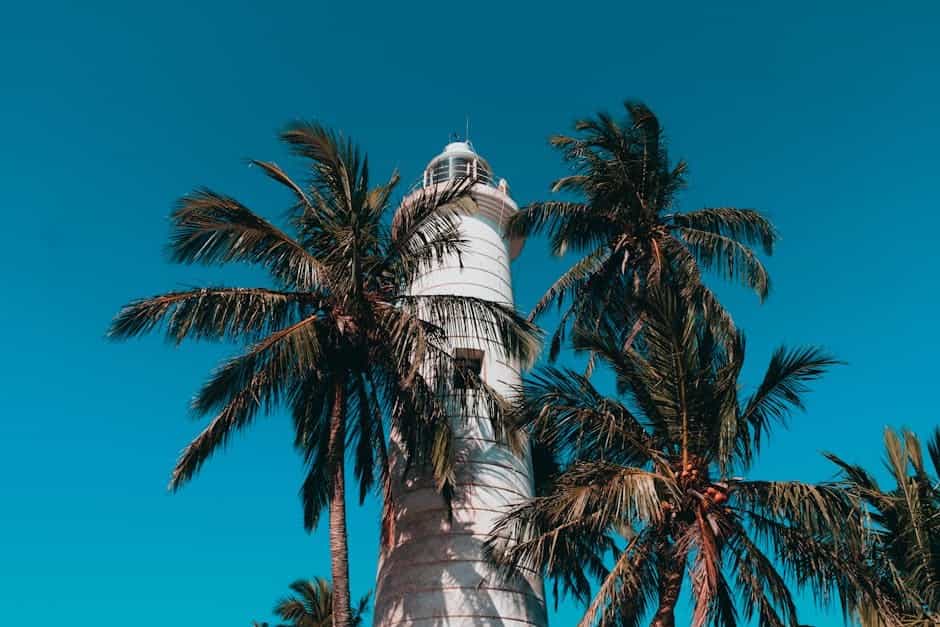
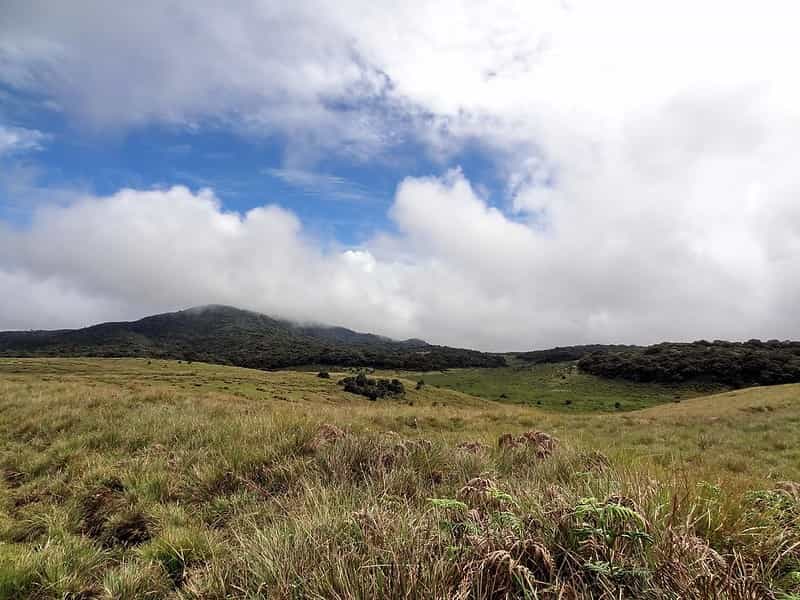
Delft Island (Neduntheevu) is a small but historically rich island in the Palk Strait, administered by Sri Lanka's Northern Province. It is important for its colonial-era relics (Portuguese and Dutch), traditional Tamil fishing communities, and unique natural features—especially the population of feral horses, extensive coral outcrops and sand dunes. The island's cultural landscape reflects centuries of maritime trade, colonial occupation and local Tamil traditions.
Last updated: 23 Oct 2025
Places to visit
- Delft Fort ruins and old cannons — remnants of Dutch/Portuguese presence
- Feral horses freely roaming the island — a signature sight
- Large baobab tree — an unusual, photogenic landmark
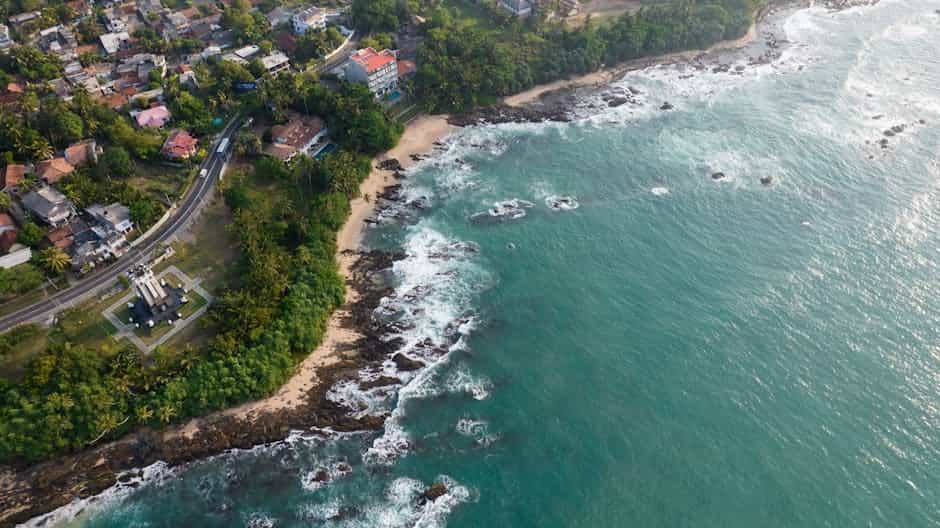
- Lunar-shaped sand dunes and coral sands — dramatic beaches
- Shallow coral reefs and rock formations ideal for snorkeling and photography
- Traditional fishing villages and simple island way of life
Unique Aspects
- Uncommon sight of free-roaming horses on a Sri Lankan island
- Large, isolated baobab tree (non-native) with historical associations
- Expansive coral plateaus and visible fossilized coral in places
- Sparse, low-density settlement offering authentic village experiences
- Good opportunities for coastal birdwatching and seeing sea life in tidal pools
Things to do
- Guided or self-led island tours to see the fort, baobab and horse herds
- Horse watching and photography — best in the morning and late afternoon
- Snorkeling and beachcombing around coral shelves and tidal pools
- Cycling or walking between villages to experience local life
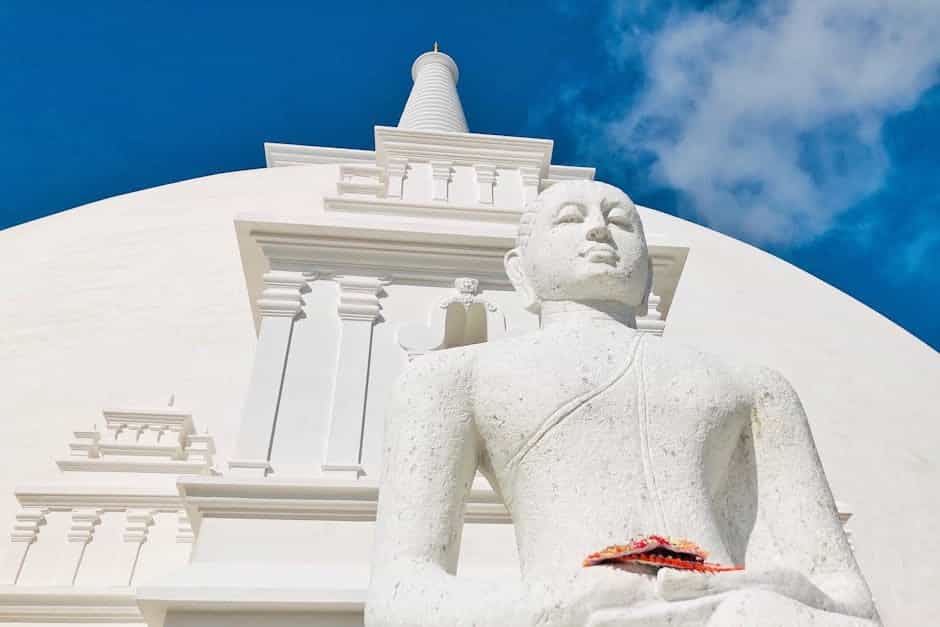
- Visiting local temples and meeting island fishers
- Birdwatching for coastal and migratory species
Best Time to Visit
March–September (dry season) — seas are typically calmer and access by boat is easier; avoid the wetter months when rough seas and monsoon conditions can disrupt travel.
Weather Conditions
Hot, tropical climate with generally dry conditions for much of the recommended season. Expect daytime temperatures commonly in the high 20s–mid 30s °C (80s–90s °F); strong sun and winds on exposed beaches.
Accessibility
Reachable by boat from the Jaffna Peninsula (usually via Kayts or a local jetty). The nearest major airport is Jaffna International Airport (serve as arrival point for regional travelers), followed by road transfer to the boat departure point. Boat/ferry schedules and availability vary—book or confirm transport locally. On the island, travel is mostly by foot, bicycle or local motorbike; there are few paved roads.
Recommended Duration
Day trip to 1–2 nights — a day trip is possible but staying overnight lets you explore more slowly, enjoy sunsets and early-morning horse sightings.
Clothing & Gear Tips
Light, breathable clothing, a wide-brim hat, strong sunscreen, sunglasses, sturdy walking shoes or sandals, and a light windproof layer. Bring snorkeling gear if you plan to swim. Carry ample drinking water and a basic first-aid kit.
Local Food & Souvenirs
Fresh seafood and Tamil-style curries are staples; street or home-cooked snacks from village stalls provide authentic flavors. Souvenirs include seashell crafts and locally made handicrafts — carry cash as card facilities are limited.