Gangaramaya Temple, Sri Lanka
Gangaramaya Temple is one of Colombo's most important Buddhist temples and a prominent cultural landmark. Established in the late 19th century and developed by successive chief monks into both a religious shrine and a philanthropic institution, the complex combines traditional Buddhist architecture with eclectic, modern influences. It functions as a place of worship, a center for education and charity, and a repository of Sri Lankan and Southeast Asian Buddhist artifacts.
Last updated: 23 Oct 2025
Historic Anecdotes
The temple is known for its eclectic collections and the way it blends spirituality with social service — it houses a museum with donated offerings, relics, and everyday objects from devotees and travelers. The adjacent Seema Malaka, a serene platform on Beira Lake designed by famed architect Geoffrey Bawa, is often highlighted in stories about modern Sri Lankan religious architecture and urban renewal.
Places to visit
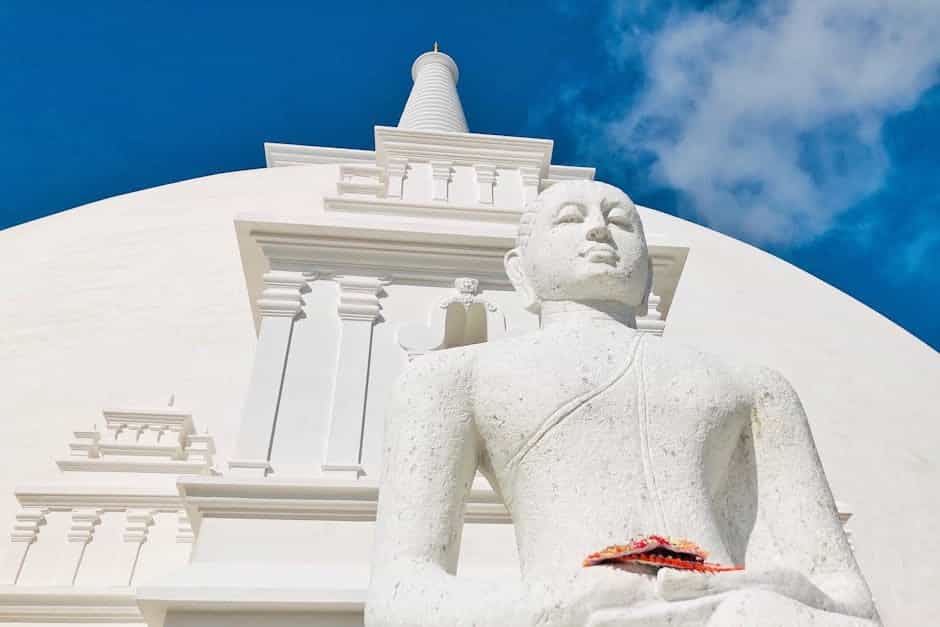
- Main Shrine Room with a richly decorated Buddha statue and votive offerings
- Gangaramaya Museum — a wide-ranging collection of religious artifacts, antiques, and donated items from around the world
- Seema Malaka — the atmospheric floating temple on Beira Lake designed by Geoffrey Bawa (part of the complex)
- Vihara (Stupa and secondary shrines) scattered through the complex
- Cultural and educational facilities including a library, vocational training centers, and publications
Unique Aspects
- Blend of traditional Sinhalese and eclectic modern architectural elements
- Extensive museum collection that includes statues, paintings, ceremonial objects, and maritime artifacts
- Seema Malaka’s tranquil water setting contrasting with central Colombo’s bustle
- Active community services run by the temple (education, vocational training, charity)
Things to do
- Pay respects and observe Buddhist rituals in the shrine rooms
- Explore the private and public museum rooms showcasing relics and donated artifacts
- Walk along Seema Malaka on Beira Lake for photography and quiet reflection
- Attend meditation sessions or educational programs when available
- Observe or participate in temple ceremonies (respectfully)
Festivals & Events
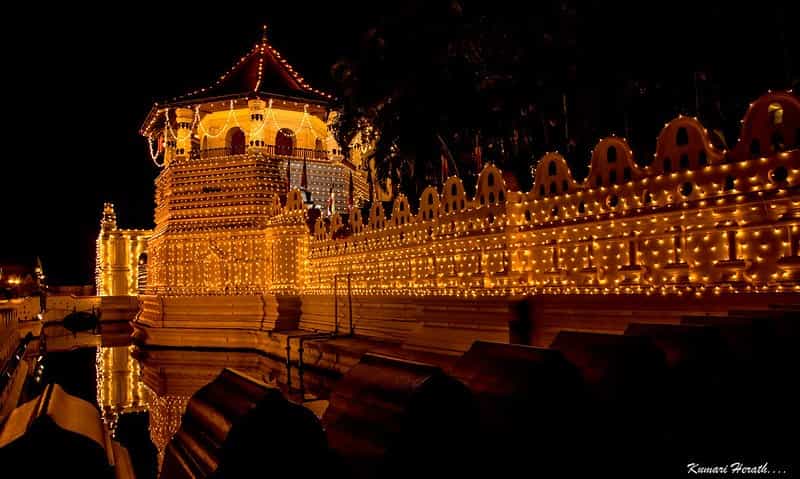
- Vesak (May, date varies) — major celebrations and decorations celebrating the birth, enlightenment, and passing of the Buddha
- Annual perahera (pageant) and local temple processions during certain Buddhist observances — check the temple calendar for exact dates
- Regular charity and community events organized by the temple
Best Time to Visit
December to March (drier months and generally more comfortable for sightseeing in Colombo). Vesak (usually in May) is culturally significant and visually striking if you want to experience festival decorations.
Weather Conditions
Tropical, hot and humid year-round. Short monsoon periods bring heavy showers (May–September inter-monsoonal and October–November monsoon influences). Expect daytime temperatures typically between 26–32°C (79–90°F).
Entry Fees & Permits
The temple shrine is generally free to enter; the museum may charge a small fee or accept donations — fees vary, so check locally. Typical opening hours are roughly 5:00 AM – 8:00 PM, but hours for museum exhibits and Seema Malaka can differ. Always confirm current timings and any special closures before visiting.
Accessibility
Located in central Colombo near Beira Lake, within easy reach by tuk‑tuk, taxi, city bus, or ride-hailing services. Nearest major rail hub: Colombo Fort station (short drive away). Nearest international airport: Bandaranaike International Airport (approx. 30–40 km north of Colombo). The complex includes steps and some uneven surfaces; visitors with mobility needs should check access on-site and may require assistance.
Recommended Duration
1–2 hours to see the shrine, museum, and Seema Malaka; longer if attending a guided tour, meditation session, or festival (allow 2–4 hours).
Clothing & Gear Tips
Modest clothing that covers shoulders and knees is required in the temple. Remove shoes and hats before entering shrine rooms. Bring a lightweight scarf or shawl, water, sunscreen, and an umbrella or rain jacket in rainy season.
Local Food & Souvenirs
Nearby Colombo eateries offer Sri Lankan specialties such as hoppers (appa), kottu roti, rice and curry, and sweets. Souvenirs often available around the area include Buddhist iconography, brass or wooden Buddha statues, masks, and handicrafts — buy from reputable stalls and check export rules for antiques.