Hummanaya Blow Hole, Sri Lanka
Hummanaya Blow Hole is the second largest blowhole in the world and Sri Lanka's only blowhole that is easily accessible to visitors. Formed by sea caves and a narrow tunnel in the rocky coastline, seawater is forced upward with pressure through the opening, creating dramatic spouts that can reach 25–30 meters high. It is a notable natural coastal phenomenon and a popular local landmark, illustrating the island’s powerful ocean dynamics and geological formations.
Last updated: 23 Oct 2025
Places to visit
- The blowhole itself — powerful water spouts visible from the viewing platform
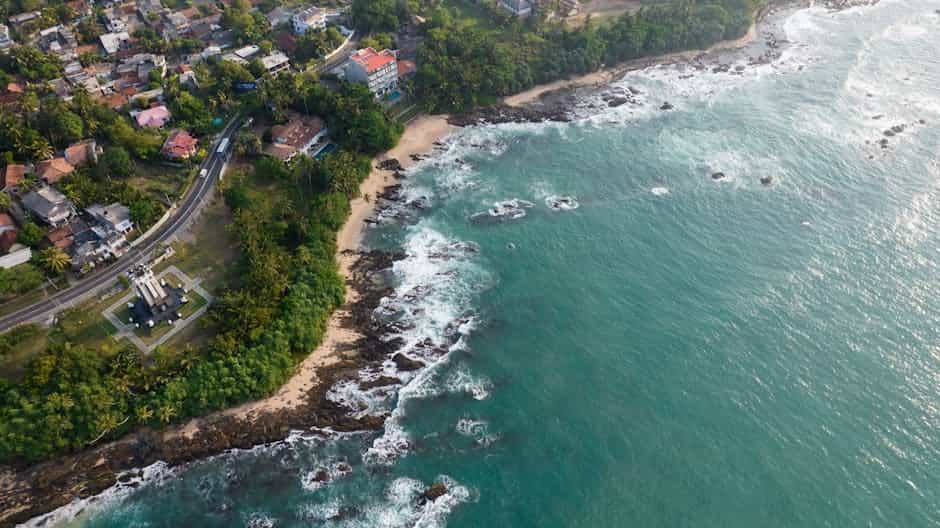
- Rocky coastal scenery and cliff-top panoramic views of the Indian Ocean
- Viewing platform and easily accessible path with interpretive signage
- Nearby fishing villages (e.g., Kudawella) and local life observations
- Sunrise and sunset vistas along the southern coast
Unique Aspects
- Spouts reaching up to 25–30 meters (depending on swell and tide)
- Clear demonstration of sea-cave geology and wave dynamics
- Safe, constructed viewing area with handrails
- Close proximity to Dondra Head and other southern coastal attractions
- Good photo opportunities for both landscape and action shots
Things to do
- Watching the blowhole in action from the viewing platform
- Photography and videography of water spouts and coastal scenery
- Short coastal walks and exploring nearby rocky shorelines (with caution)
- Visiting local fish markets and sampling fresh seafood
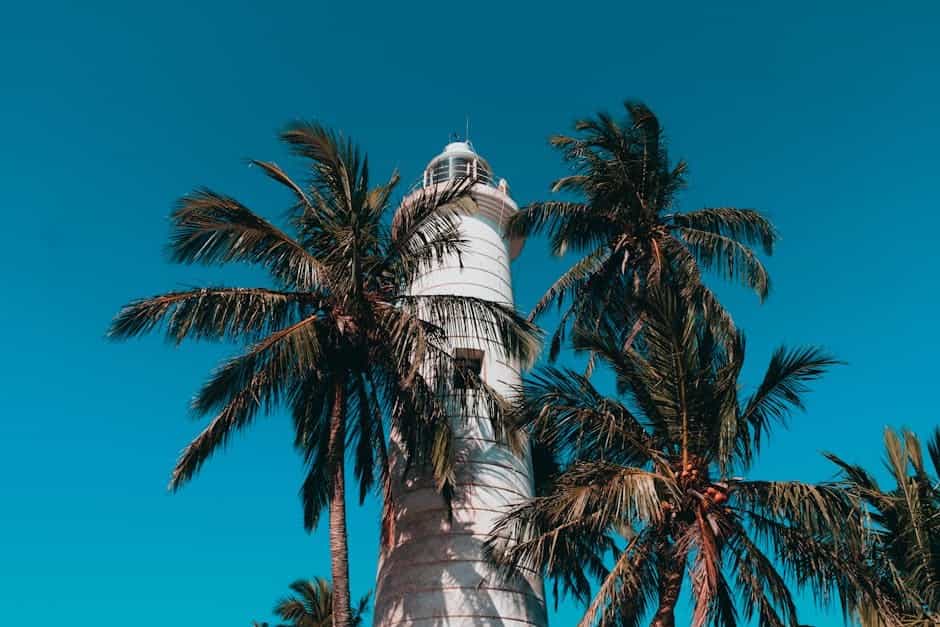
- Combining a trip with nearby attractions (e.g., Dondra Head Lighthouse, Rekawa Turtle Conservation Project)
Best Time to Visit
Dry season months (November to April) are generally calmer and more comfortable for visitors, but the blowhole’s spray is often more dramatic during higher swell conditions — check local swell forecasts. Mid-morning to late afternoon offers good visibility; early morning and late afternoon give attractive light for photos.
Weather Conditions
Tropical maritime climate: warm and humid year-round. Temperatures typically range from 25–30°C. Expect possible sudden showers, especially during monsoon months (May–October on parts of the southern coast). Wind and sea spray can be significant near the blowhole.
Entry Fees & Permits
A small entrance fee is usually charged (nominal, varies over time). The site is generally open during daylight hours; exact timings may vary. Check local signage or with nearby vendors for current fees and hours.
Accessibility
Located near Kudawella in the Matara District, roughly 30–40 minutes’ drive from Mirissa and about 15–20 km southeast of Matara. Accessible by car, tuk-tuk, or local bus to Kudawella with a short walk. The viewing platform has steps; it is suitable for most visitors but may be challenging for those with mobility impairments.
Recommended Duration
30–60 minutes on-site for viewing, photos, and a short walk; combine with a half-day excursion to nearby attractions for a fuller outing.
Clothing & Gear Tips
Light, breathable clothing, a hat, sunglasses, sunscreen, and sturdy shoes for uneven coastal rocks. A waterproof cover for cameras/phones or a towel to wipe off spray is recommended. Carry insect repellent for nearby vegetation.
Local Food & Souvenirs
Try fresh seafood at nearby eateries—grilled fish, prawn curry, and local rice dishes. Local vendors sell small souvenirs, handicrafts, and snacks; consider purchasing locally made items to support the community.