Kataragama, Sri Lanka
Kataragama is one of Sri Lanka's most important multi‑religious pilgrimage sites, revered by Buddhists, Hindus, Muslims and the indigenous Vedda people. The site combines Buddhist stupas and a Hindu deity shrine (Kataragama/Karthikeya/Skanda/Murugan), making it a key example of religious syncretism on the island. The surrounding dry-zone landscape, rivers and proximity to wildlife reserves (Yala, Kumana) give it natural as well as cultural significance.
Last updated: 23 Oct 2025
Places to visit
- Kataragama Temple / Ruhunu Maha Kataragama Devalaya — the main multi‑faith shrine complex
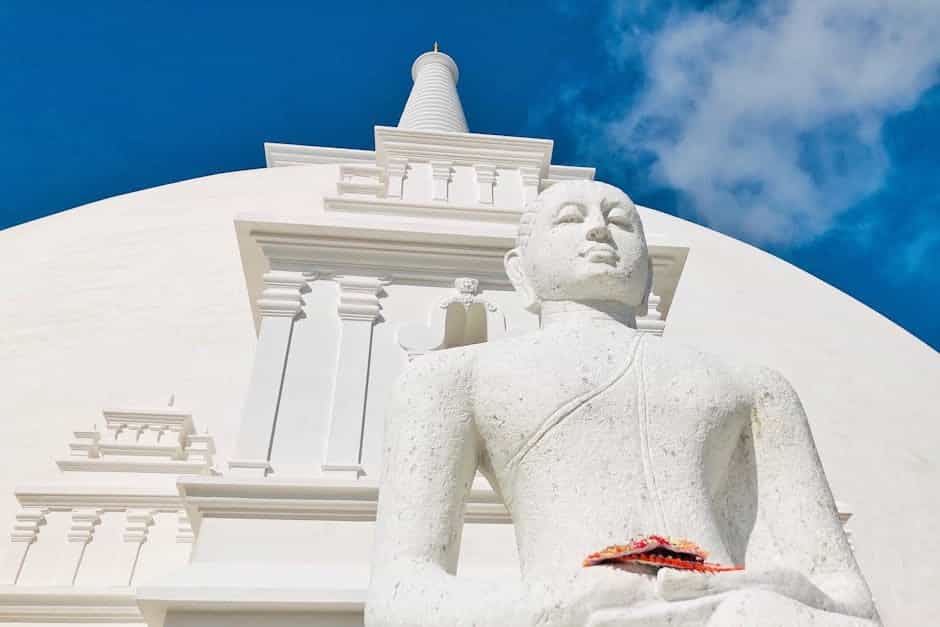
- Kiri Vehera — nearby ancient Buddhist stupa (white dagoba) visited by many pilgrims
- Kataragama Mosque — revered by many Muslim devotees
- Vedda village and cultural displays — traditional indigenous presence and rituals
- Menik Ganga (Menik River) — sacred river where pilgrims bathe
- Proximity to Yala and Kumana National Parks — wildlife and nature excursions
Unique Aspects
- Religious syncretism — shared worship by Buddhists, Hindus and Muslims
- Annual Kataragama festival (Esala period) with processions, fire‑walking and kavadi
- Devotional practices such as vows, offering of flowers, lamps and body‑piercing rituals
- Sacred natural features (river bathing, ancient trees and shrines scattered in the area)
- Night and early‑morning poojas creating a strong pilgrim atmosphere
Things to do
- Attend pujas and observe rituals at the temple complex (early morning and evening are most active)
- Participate or watch traditional rituals — kavadi, fire‑walking and vow‑fulfillment ceremonies (during festival season)
- Visit Kiri Vehera and other nearby Buddhist sites
- Take a boat/river‑side walk along Menik Ganga and visit small shrines
- Day trips to Yala/Kumana National Parks for wildlife safaris
- Explore local markets and taste regional food near the shrine
Festivals & Events
- Kataragama Festival (Esala season — typically July/August) — the major annual pilgrimage with processions, offerings, fire‑walking and heavy crowds
- Weekly and monthly religious observances — smaller ritual gatherings and poojas
- Vedda cultural demonstrations — occasional indigenous ceremonies and cultural events
Best Time to Visit
Pilgrim season: July–September (Esala festival brings highest activity). For fewer crowds and dry weather: May–September. Avoid peak monsoon months in the southwest (October–January can be wetter in parts).
Weather Conditions
Tropical dry‑zone climate — hot and dry for much of the year with daytime temperatures commonly 26–34°C (79–93°F). Nights are cooler. Expect dust and strong sun; short thunderstorms can occur outside the dry season.
Accessibility
By road: well linked by bus and private vehicles from Hambantota, Tissamaharama, Wellawaya and other towns. By rail: Kataragama has a railway station connecting to the southern network (check current schedules). Nearest airports (approx.): Mattala Rajapaksa International (HRI) ~60–80 km, Bandaranaike International (CMB, Colombo) ~200–240 km. Expect simple local facilities; mobility can be limited in parts — some shrine areas require walking and removing footwear.
Recommended Duration
A short pilgrimage or cultural visit: 1 day. To combine wildlife and nearby sites: 2–3 days.
Clothing & Gear Tips
Wear modest clothing (shoulders and knees covered) suitable for temples; carry a light shawl to cover up when needed. Comfortable sandals that are easy to remove, sunhat, sunscreen, reusable water bottle, and mosquito repellent.
Local Food & Souvenirs
Try local rice and curry, coconut sambols and simple pilgrim meals sold near the shrine. Souvenirs include religious offerings, beads, brass oil lamps, devotional pictures and local handicrafts. Carry small amounts of cash for offerings and market purchases.