Kataragama Temple, Sri Lanka
Kataragama Temple (Kataragama Deviyo shrine) is one of Sri Lanka's most important multi-religious pilgrimage sites, attracting Buddhists, Hindus, Muslims and indigenous Vedda people. The complex represents deep syncretism: the Hindu god Skanda/Murugan (locally known as Kataragama Deviyo) is venerated alongside Buddhist stupas and local deities. The site embodies centuries of religious coexistence and regional guardianship, and the surrounding landscape—dry-zone plains near the Yala and Lahugala reserves—adds natural significance for visitors combining pilgrimage and wildlife tourism.
Last updated: 23 Oct 2025
Historic Anecdotes
Local legend tells of the god Skanda/Murugan descending to Kataragama and marrying Valli, a Vedda princess; the story symbolizes integration of Veddas and incoming Hindu/South Indian traditions. Kataragama Deviyo is also regarded as a guardian spirit who protects the region. Tales of miraculous healings and answered vows are widespread among devotees; rituals such as kavadi-carrying and fire-walking are said to demonstrate devotion and secure blessings.
Places to visit
- Kataragama Devale / Murugan Shrine – the central Hindu shrine dedicated to Skanda/Murugan (Kataragama Deviyo).
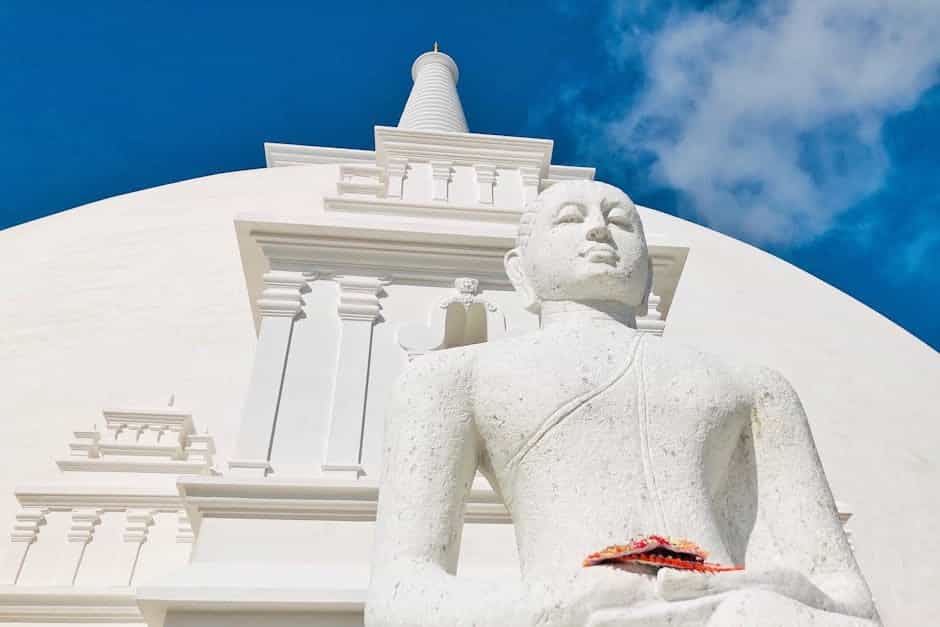
- Kiri Vehera – an ancient Buddhist stupa located within walking distance, important for Buddhist pilgrims.
- Maha Devale and Pattini Devale – shrines for other deities venerated by local communities.
- Esala Festival (Kataragama Perehara) – the major annual festival with pageantry, chariots, kavadi and fire-walking.
- Sacred tanks and bathing spots (used by pilgrims before entering the shrine).
- Local markets and stalls selling devotional items, oils, flowers and regional snacks.
Unique Aspects
- Multi-religious complex where Buddhists, Hindus, Muslims and Veddas worship in proximity.
- Traditional rituals: kavadi, fire-walking, body piercings and vow-fulfillment practices.
- Proximity to Yala National Park and Tissamaharama — good for combining pilgrimage with wildlife tours.
- Vibrant festival atmosphere during the Esala period with processions and night ceremonies.
Things to do
- Participate in or observe daily and festival rituals (offerings, oil lamps, mantra recitations).
- Watch or join kavadi processions and fire-walking ceremonies (especially during the Esala festival).
- Visit nearby Kiri Vehera stupa and explore the broader temple complex on foot.
- Combine a trip with wildlife excursions to Yala or birding at nearby tanks and reserves.
- Shop local devotional items, buy simple snacks (hoppers, kottu) and interact with pilgrims for cultural insight.
- Hire a local guide to explain syncretic practices, legends and ritual meanings.
Festivals & Events
- Esala Perehara (Kataragama Festival) – main annual festival (typically July–August) featuring processions, chariots, kavadi and fire-walking.
- Full-moon (Poya) day observances with increased pilgrim numbers and special pujas.
- Smaller local ritual days and Vedda community ceremonies throughout the year.
Best Time to Visit
Dry season and festival time: May–September is generally drier and more comfortable; Esala festival (usually July–August) if you want to experience the main celebrations.
Weather Conditions
Tropical dry-zone climate: hot and humid year-round with daytime temperatures often 28–35°C (82–95°F). Expect occasional rains; bring sun protection and water.
Entry Fees & Permits
The temple complex is a public religious site with no general entry fee. Individual shrines may have donation boxes. Opening times vary by shrine and ritual schedule but the complex is generally accessible from early morning until late evening; special festival hours apply during Esala.
Accessibility
By road: Kataragama is accessible by bus or private car from Colombo (roughly 4–6 hours), Hambantota (~1–1.5 hours) and Tissamaharama (~20–30 minutes). Nearest airports: Mattala Rajapaksa International Airport (HRI) (~55–70 km) and Bandaranaike International Airport (CMB) near Colombo (~200–250 km). Train services are limited; check current timetables and seasonal pilgrimage specials. Local roads are walkable around the complex but can get crowded during festivals; facilities for mobility-impaired visitors are limited—plan ahead.
Recommended Duration
Half-day to full-day for the temple complex; 1–2 days if combining with nearby attractions (Yala, Tissamaharama) or attending festival events.
Clothing & Gear Tips
Modest clothing required: cover shoulders and knees; women may wear sarong or long skirt and men a sarong or long trousers when entering shrines. Remove shoes and hats before entering temple areas. Bring sun protection, refillable water, a light shawl for evening and comfortable walking shoes for surrounding areas.
Local Food & Souvenirs
Try local Sri Lankan fare (rice & curry, hoppers, kottu) at nearby stalls. Souvenirs include oil lamps, brass icons, prayer beads, Rudraksha beads, flower garlands and simple handicrafts. Buy from official stalls to support local vendors and ensure fair prices.