Kaudulla National Park, Sri Lanka
Kaudulla National Park is a key protected area in Sri Lanka's North Central Province, created to conserve dry-zone ecosystems and one of the country's important populations of wild Asian elephants. The park surrounds the ancient Kaudulla reservoir (tank), part of Sri Lanka's historic irrigation network developed by early Sinhalese kings — a reminder of the island's sophisticated ancient hydraulic engineering. The combination of reservoir, wetlands and dry forest makes it ecologically important for large mammals, waterbirds and seasonal biodiversity.
Last updated: 23 Oct 2025
Places to visit
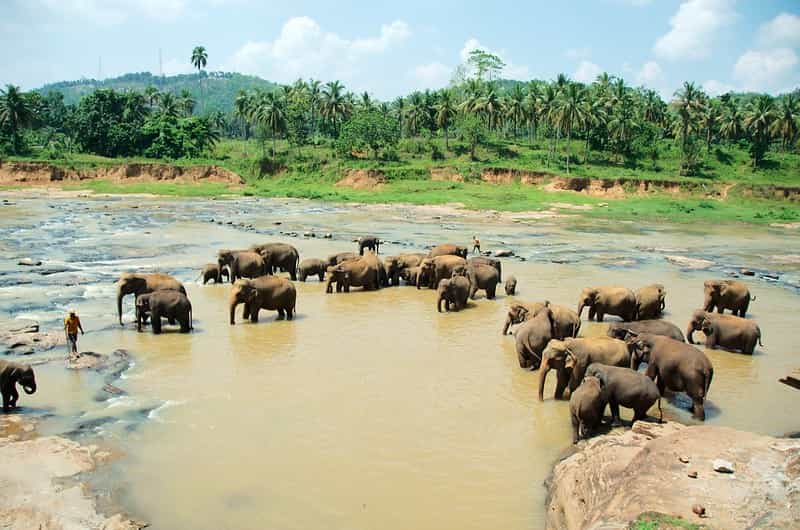
- Seasonal elephant gatherings (large herds around the Kaudulla tank)
- Jeep safaris across dry-zone forest and grasslands
- Birdwatching (waterbirds and dry-zone species)
- Kaudulla reservoir and scenic viewpoints
- Opportunities to see other wildlife: sambar, spotted deer, macaques, crocodiles, monitor lizards
Unique Aspects
- Large seasonal congregation of Asian elephants (best from August to October)
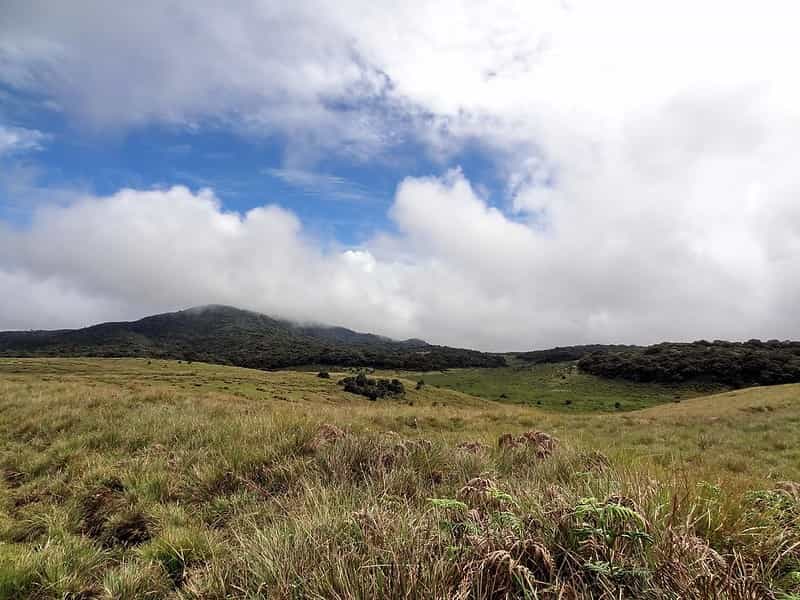
- Mixture of dry evergreen forest, scrubland and wetlands
- Scenic reservoir that attracts waterbirds and offers photography opportunities
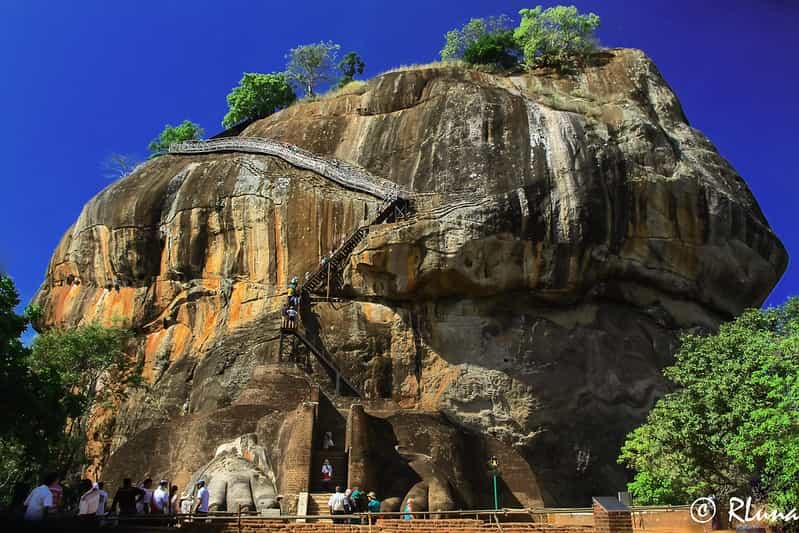
- Close proximity to the Cultural Triangle (Sigiriya, Polonnaruwa) making it easy to combine with heritage tours
Things to do
- Jeep safari (guided; morning and afternoon safaris most popular)
- Birdwatching — waterbirds around the tank and dry-zone species in the forest
- Wildlife photography — especially elephants and landscapes
- Short guided nature walks near park boundaries or at authorized zones
- Combination day-trips with nearby attractions such as Sigiriya and Polonnaruwa
Best Time to Visit
August–October for the peak elephant congregation; generally the dry season (roughly May–September) offers easier access and clearer viewing conditions.
Weather Conditions
Tropical dry-zone climate: hot and relatively dry for much of the year. Daytime temperatures commonly range from 25–35°C (77–95°F); nights are cooler. Brief showers may occur outside the main dry period.
Entry Fees & Permits
Park opening hours are typically early morning to late afternoon (e.g., around 6:00–18:00) — exact times and fees vary and are set by Sri Lanka's Department of Wildlife Conservation. There are usually separate charges for foreign visitors, local visitors, and vehicle/guide fees. Obtain current rates and booking requirements from official sources or authorized tour operators before travel.
Accessibility
Nearest towns: Habarana (gateway for safaris), Polonnaruwa and Sigiriya are within easy driving distance. Major access by road from Colombo or airports; approximate driving time from Colombo/Bandaranaike International Airport is 4–5+ hours depending on route. Public transport: buses and trains serve nearby towns (Habarana/Polonnaruwa); safaris are commonly arranged from Habarana. A private jeep or an organized tour is the most practical way to enter the park.
Recommended Duration
Half-day to full-day safari options. Visitors interested in photography, birding or a relaxed schedule should plan 1–2 days in the area and combine the visit with nearby Cultural Triangle sites.
Clothing & Gear Tips
Light, breathable clothing in neutral colors; long sleeves and pants for sun and insect protection; wide-brim hat, sunscreen, insect repellent, sturdy shoes, binoculars, telephoto lens for wildlife photography, refillable water bottle.
Local Food & Souvenirs
Local eateries and guesthouses in Habarana/Polonnaruwa serve traditional Sri Lankan rice & curry, kottu, hoppers and fresh fruit. Souvenirs include wood carvings, batik textiles, handloom items and elephant-themed crafts from nearby towns.