Kelaniya Raja Maha Vihara, Sri Lanka
Kelaniya Raja Maha Vihara is one of Sri Lanka's most venerated Buddhist temples. According to tradition and the island's chronicle (the Mahavamsa), the Buddha visited Kelaniya and preached to the Naga king Maniakkika — an event that established the site's deep religious significance. Over centuries the temple has been a major center for Theravāda Buddhism, royal patronage and artistic expression, particularly in mural painting and sculpture. The temple's riverside setting on the banks of the Kelani River also connects it to local natural and cultural landscapes.
Last updated: 23 Oct 2025
Historic Anecdotes
Legend: The most famous story is the Buddha's visit and his sermon to the Naga king Maniakkika at Kelaniya. Local lore also links the site with protective naga (serpent) deities and attributes miraculous blessings to worship performed here. The temple is celebrated in historical chronicles and folklore as a place where spiritual and terrestrial realms meet.
Places to visit
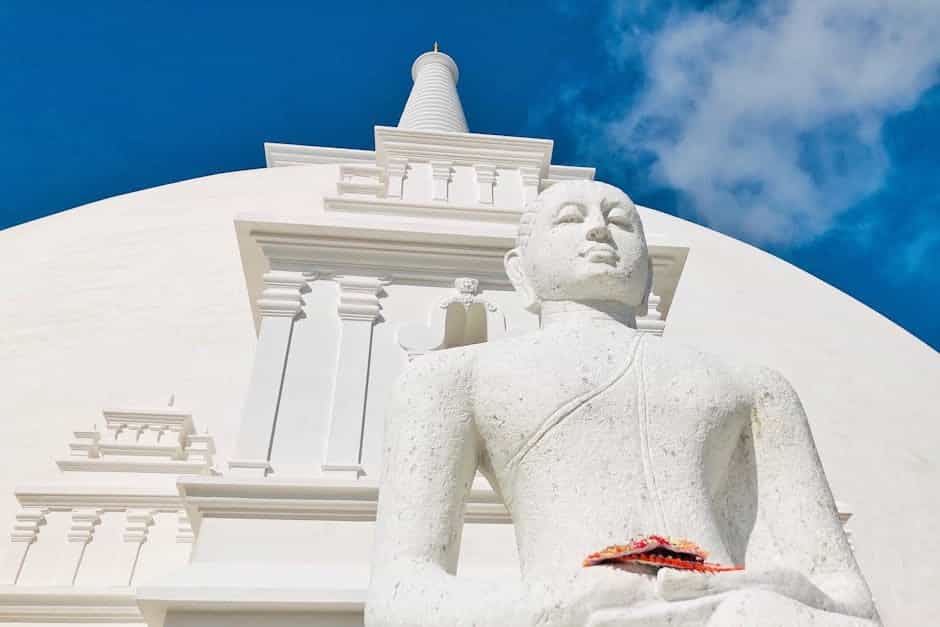
- Kelaniya Stupa (Dagoba) – the focal white/gilded stupa on the temple hill.
- Large Buddha Statues – several impressive Buddha images including seated and reclining forms.
- Murals and Wall Paintings – renowned frescoes painted by artists such as Solias Mendis and other 20th-century painters depicting Jataka tales and Buddhist themes.
- Temple Complex and Shrines – richly decorated shrine rooms, carved stonework and shrine halls.
- Riverside Setting – views of the Kelani River and the verdant surroundings.
Unique Aspects
- Famous mural art that displays Sri Lankan Buddhist iconography in vivid color and style.
- A strong association with the Duruthu Perahera (annual procession) and related ritual pageantry.
- Close proximity to Colombo makes it an easy half-day trip for visitors.
- Religious ceremonies and offerings that reflect living Buddhist practice.
Things to do
- Pay respects and make offerings at the shrine rooms and stupas.
- Observe and photograph the murals and sculpture details (respect rules).
- Attend daily pujas (devotional services) and monk blessings when available.
- Climb the temple grounds for panoramic views over the Kelani River.
- Participate or watch the Duruthu Perahera (January) — colorful procession with dancers, drummers and elephants.
Festivals & Events
- Duruthu Perahera (January) — the major annual festival commemorating the Buddha's visit; elaborate procession and rituals.
- Full-moon Poya day observances — regular Buddhist ceremonial days with increased worship activity.
- Special dedication days and ritual offerings linked to the temple calendar.
Best Time to Visit
Best time: January for the Duruthu Perahera if you want to see the festival; otherwise cooler, less humid months are December–March. Early morning or late afternoon visits avoid heat and crowds.
Weather Conditions
Tropical climate: hot and humid most of the year with monsoon patterns. Expect short heavy rains during monsoon seasons; average temperatures range from mid-20s to low-30s °C (mid-70s to high-80s °F).
Entry Fees & Permits
No formal admission fee for the temple complex, though donations are customary. Typical opening hours are early morning to evening (commonly ~05:00–20:00); specific shrine rooms may have varied access times. Guided tours or special photography permissions may incur charges or requested donations.
Accessibility
Located in Kelaniya, about 8–12 km northeast of central Colombo (depending on route). Nearest major transport links: Kelaniya Railway Station (short walk) and frequent bus routes from Colombo. Closest international airport: Bandaranaike International Airport (CMB) ~30–40 km by road. Taxis, tuk‑tuks and buses make the temple easily accessible for day-trippers.
Recommended Duration
Recommended visit length: 1–2 hours for a typical visit; allow more time (half to full day) if attending festivals or joining guided tours.
Clothing & Gear Tips
Dress modestly: cover shoulders and knees. Remove shoes and hats before entering shrines. Bring sun protection, a water bottle and an umbrella during rainy season.
Local Food & Souvenirs
Nearby vendors and Colombo markets offer Sri Lankan snacks and tea — try local short eats and Ceylon tea. Souvenirs include small Buddha statues, religious pictures, prayer beads and handicrafts. Purchasing temple offerings (flowers, oil lamps) from local stalls supports the community.