Koneswaram Temple, Sri Lanka
Koneswaram Temple (Thiru Koneswaram Kovil) is an ancient Hindu temple dedicated to Lord Shiva, perched on the dramatic Swami Rock overlooking Trincomalee Bay in eastern Sri Lanka. It is historically and culturally important as a major Shaivaite pilgrimage site for Sri Lankan Tamils and visitors from South India. The temple — once famed as the "Temple of a Thousand Pillars" — has references in classical Tamil literature and was an influential religious center through medieval periods. It has also endured significant historical events, including destruction and partial dismantling by the Portuguese in the 17th century and later restorations in the 20th century. Natural significance comes from its cliff-top setting with panoramic views of the Indian Ocean and Trincomalee harbor, making it both a spiritual and scenic landmark.
Last updated: 23 Oct 2025
Historic Anecdotes
Local legends connect Koneswaram with the Ramayana cycle and ancient kings; one tradition holds that King Ravana or local rulers established a Shiva lingam here. The site is associated with miraculous events and sacred springs; historical travelers described a sprawling thousand-pillared hall and rich offerings. The Portuguese removal of temple pillars and shrine elements to build Fort Frederick in the 1600s is a prominent historical episode that has become part of the temple's narrative.
Places to visit
- Main sanctum (Shiva lingam) — the primary place of worship and darshan
- The historic 'Thousand-Pillar' (Mani Mandapam) area and reconstructed mandapams
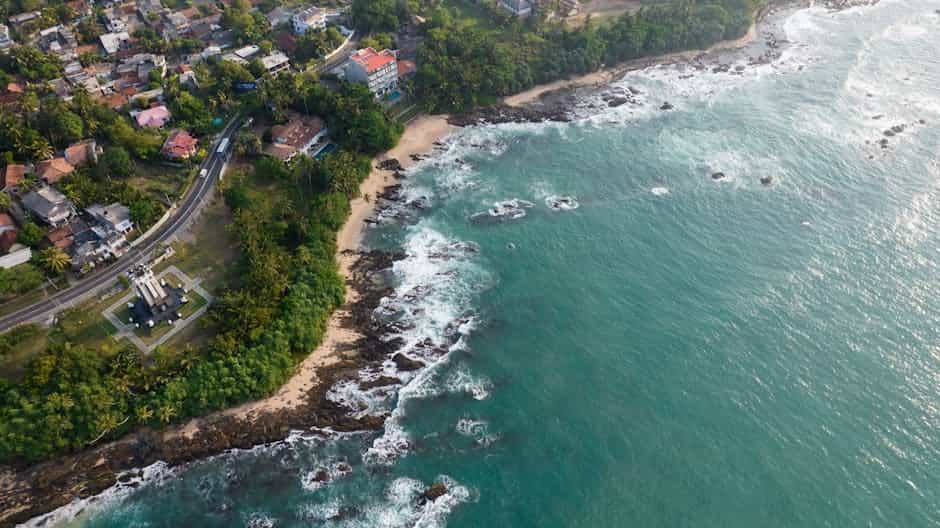
- Cliff-top viewpoints over Trincomalee harbour and the Indian Ocean (excellent for sunrise/sunset)
- Temple tanks and sacred springs associated with ritual bathing
- Nearby Fort Frederick and colonial-era ruins visible from the temple precincts
- Archaeological inscriptions, stone carvings and smaller shrines within the complex
Unique Aspects
- Dramatic sea-facing shrine built on a natural promontory (Swami Rock)
- Fusion of classical Dravidian temple architecture and later reconstructions
- Strong ritual life with daily pujas and vibrant festival processions
- Bird and coastal marine life visible from the cliffs; nearby beaches and clear waters for whale watching seasonally
Things to do
- Attend morning or evening puja (prayer/ritual) and receive darshan
- Climb the temple steps and walk the cliff-edge paths for panoramic views and photography
- Participate in or observe the chariot (Ther) procession and other festival rites if visiting during festival times
- Visit nearby Fort Frederick and the Dutch/Portuguese colonial remains
- Combine with beach time, snorkeling or seasonal whale watching trips from Trincomalee harbour
Festivals & Events
- Mahashivaratri — important Shaiva festival observed with night-long worship
- Annual Ther (Chariot) Festival — major temple procession attracting large crowds
- Float (Theppam) festival and other local temple observances and Tamil religious festivals
Best Time to Visit
May to September (generally the dry season for Sri Lanka's eastern coast) — offers clearer skies and calmer seas; however, major festivals and pilgrimage times may draw larger crowds at other times of year.
Weather Conditions
Tropical coastal climate: warm and humid year-round. Typical temperatures range from 25–32°C (77–90°F). Expect sea breeze on the cliffs; sudden showers possible outside the dry season.
Entry Fees & Permits
There is no formal ticketed entry for worshippers at the main temple — offerings and voluntary donations are customary. Typical visiting hours for many Hindu temples are early morning to midday and late afternoon to evening (for example, roughly 05:00–11:00 and 16:00–20:00), but exact times can vary; check locally before visiting. Some adjacent archaeological areas or guided sites may have nominal fees.
Accessibility
Nearest airport: Trincomalee (China Bay) Domestic Airport (TRR); major international arrival is Bandaranaike International Airport (CMB) near Colombo (approx. 5–6 hours drive). Trincomalee is served by train and long-distance buses from Colombo and other cities; local tuk-tuks/taxis provide short transfers to the temple. The temple is on a cliff with steps and uneven paths — limited wheelchair access; steep descents to some viewpoints and beaches.
Recommended Duration
1–3 hours to see the temple, enjoy viewpoints and visit nearby Fort Frederick; allow a half to full day if combining with beaches or boat/whale-watching trips.
Clothing & Gear Tips
Wear modest clothing (cover shoulders and knees) for temple entry; women may prefer a shawl or sari/salwar. Remove shoes before entering the shrine. Bring sun protection, water, a hat, and comfortable shoes for steps and rocky paths.
Local Food & Souvenirs
Try local Tamil and coastal dishes such as fish curry, crab dishes, dosai, hoppers and fresh seafood. Souvenirs include brass oil lamps, small religious icons, bead malas, silver jewelry, and local handicrafts or shell-based items. Support local vendors and respectful souvenir purchases.