Madu Ganga (River), Sri Lanka
Madu Ganga (Madu River) is a biologically rich estuarine wetland system on the southwest coast of Sri Lanka, known for its extensive mangrove forests, estuary channels and numerous small islands. The river and its wetlands support high biodiversity—birds, fish, crustaceans and reptiles—and are important for local fisheries and livelihoods. The area has been recognized for its ecological value and management efforts to balance tourism, traditional livelihoods (fishing, cinnamon peeling) and conservation.
Last updated: 23 Oct 2025
Places to visit
- Madu Ganga Boat Safaris through mangrove channels
- Cinnamon Island (demonstrations of cinnamon harvesting and peeling)
- Mangrove forests and mangrove tunnel exploration
- Birdwatching—resident and migratory waterbirds
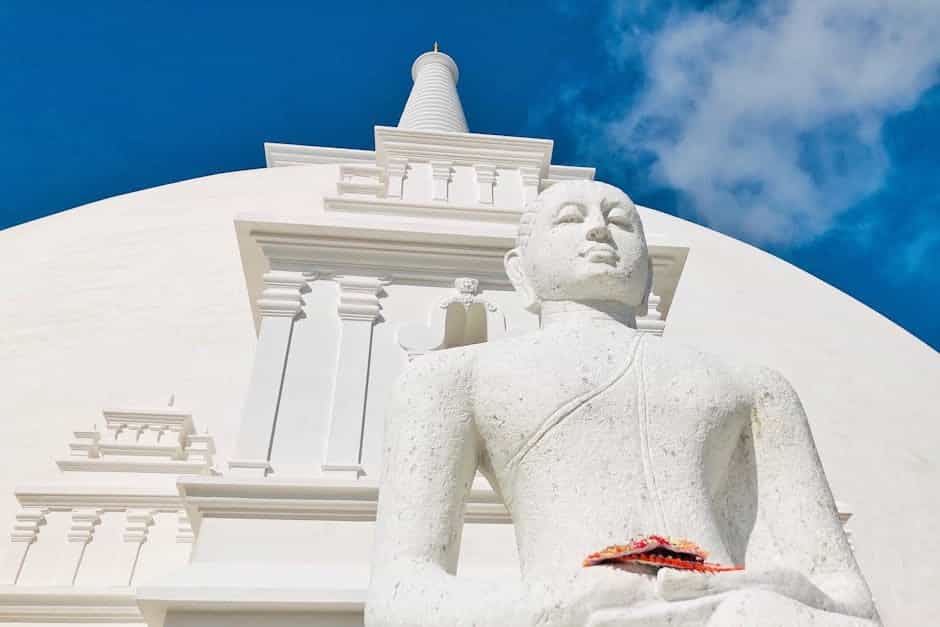
- Small temple and shrine islands visited by local pilgrims
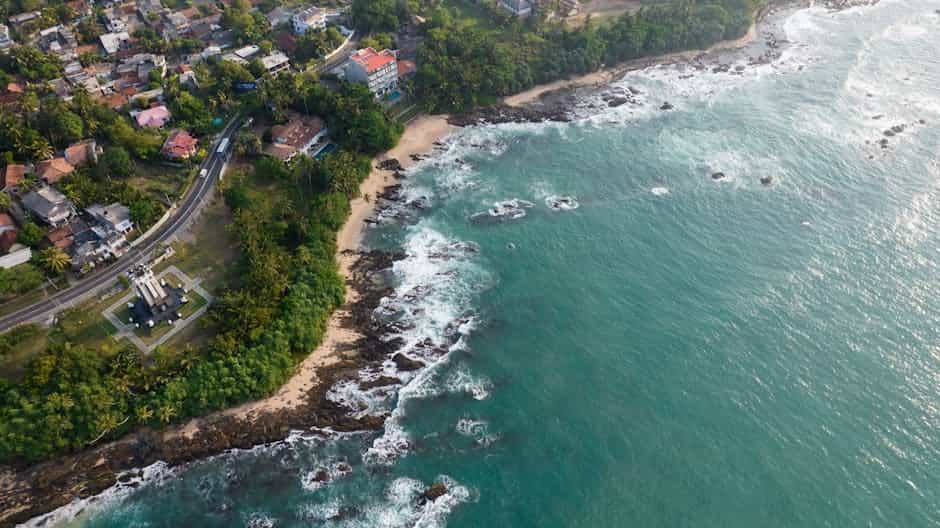
- Nearby turtle conservation projects and coastal beaches (Kosgoda area)
Unique Aspects
- Complex estuary with numerous small islands and tidal creeks
- Extensive mangrove habitats supporting diverse wildlife
- Traditional cinnamon production practiced on-site
- Opportunities to see endemic and migratory bird species and estuarine fauna
- Scenic, slow-moving waterways ideal for photography at golden hour
Things to do
- Guided boat safari to explore mangrove channels and islands
- Birdwatching and wildlife photography
- Visit to Cinnamon Island to see traditional cinnamon processing
- Short nature walks on accessible island trails
- Village and cultural visits, including small temples
- Kayaking or canoeing where operators provide equipment (seasonal/limited)
Best Time to Visit
December to April (southwest dry season) — calmer waters and clearer skies for boat trips; avoid the peak of the southwest monsoon (May–September) when heavy rains can affect access.
Weather Conditions
Tropical coastal climate: hot and humid year-round. Expect temperatures from about 25–32°C (77–90°F). Rain is frequent during the southwest monsoon (May–September) and inter-monsoonal showers can occur.
Accessibility
Launches are commonly from Balapitiya (the nearest town) or small river harbors. Balapitiya is on the southwest coastal road and the coastal railway line; the area is accessible by car or train from Colombo (~1.5–2.5 hours depending on traffic) and from Galle (~45–60 minutes). Local boat operators, hotels and guesthouses can arrange transfers and guided tours. Some smaller channels and islands require disembarking on simple jetties or beach landings—expect basic, uneven surfaces.
Recommended Duration
Half-day to a full day depending on interests. A typical boat safari + Cinnamon Island visit can be done in 2–4 hours; combine with nearby attractions (turtle hatchery, beaches) for a full-day outing.
Clothing & Gear Tips
Light, breathable clothing; sun protection (hat, sunglasses, sunscreen); insect repellent (mosquitoes in mangroves); comfortable, non-slip shoes or sandals that can get wet; light rain jacket during the wet season. Bring binoculars and a telephoto lens for birding and wildlife photography.
Local Food & Souvenirs
Try local seafood and coastal Sri Lankan cuisine at Balapitiya eateries. Souvenirs include cinnamon bark and packets, local handicrafts, batik textiles and small wooden carvings. Support community businesses and buy cinnamon or crafts from local producers when possible.