Maduru Oya National Park, Sri Lanka
Maduru Oya National Park protects a large area of dry-zone forest and the watershed of the Maduru Oya reservoir in eastern Sri Lanka. It is valued for:
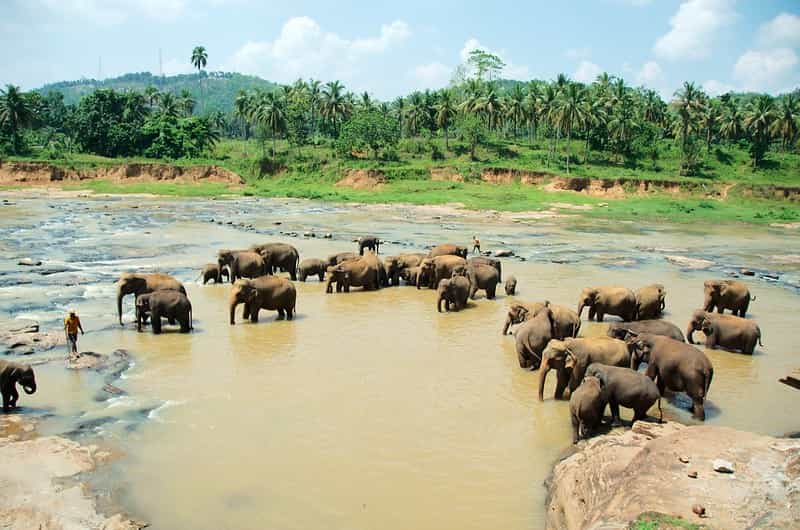
- Conservation of threatened dry-zone wildlife (notably Sri Lankan elephant populations and other large mammals).
- Preservation of important wetland and riverine habitats associated with the reservoir, which support diverse birdlife and aquatic species.
- Contribution to landscape-level connectivity as an elephant corridor between protected areas in the central and eastern dry zones.
- Protection of water resources and the reservoir that supports local agriculture and communities.
Last updated: 23 Oct 2025
Places to visit
- Maduru Oya Reservoir — expansive waters fringed by forest that attract waterbirds and crocodiles
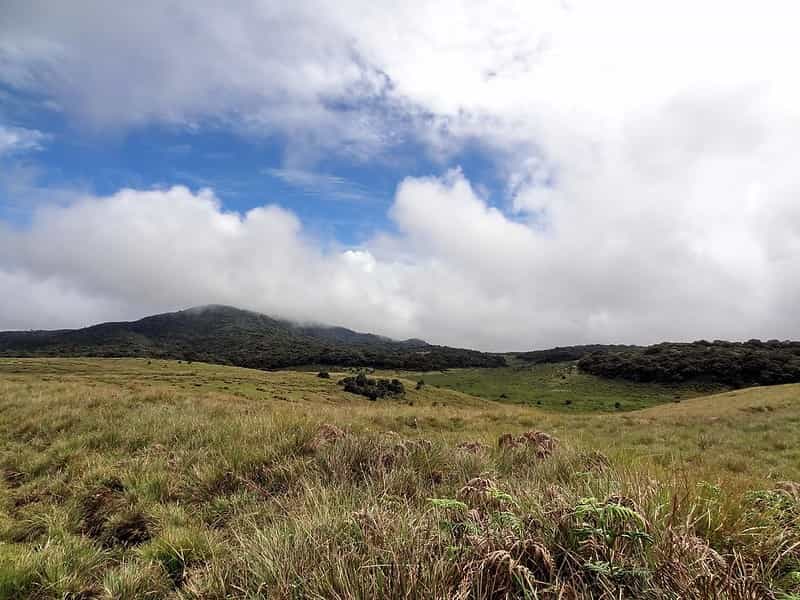
- Dry-zone forest and scrubland offering sightings of elephants, sambar deer, toque macaques and other mammals
- Excellent birdwatching with resident and migratory species (herons, eagles, kingfishers, waterfowl)
- Jeep safaris and guided nature drives across varied terrain
- Scenic riverine islands and rocky outcrops ideal for photography
Unique Aspects
- Large reservoir-forest interface (rare combination in the dry zone)
- Important elephant habitat and corridor linking regional protected areas
- Seasonal wetlands and river channels that concentrate wildlife in the dry months
- Relatively low visitor numbers compared with more famous parks — good for quieter wildlife experiences
Things to do
- Guided jeep safaris to spot elephants, deer, monkeys, and occasional leopard signs
- Boat trips on the reservoir for shoreline birdwatching and viewing marsh habitats
- Early-morning and late-afternoon wildlife viewing when animals are most active
- Birdwatching walks and hides near wetland margins
- Photography of landscapes, wildlife and water vistas
Best Time to Visit
Dry season (roughly April–September) is generally best for wildlife viewing because animals concentrate near water and trails are more accessible. Early mornings and late afternoons are the most productive times of day.
Weather Conditions
Maduru Oya is in Sri Lanka's dry zone: expect hot, sunny conditions with a distinct dry season and a wetter monsoon-influenced period. Daytime temperatures commonly range from warm to hot; bring sun protection and stay hydrated.
Entry Fees & Permits
Park opening hours typically follow standard Sri Lankan national park schedules (early morning until late afternoon). Official entry fees vary by nationality and vehicle; fees, permit requirements and opening hours change, so check the Sri Lanka Department of Wildlife Conservation or local park office before visiting. Private guided safaris and boat rides incur additional fees.
Accessibility
Maduru Oya is accessed by road from major centers in the central and eastern provinces. Nearest larger towns include Ampara and Polonnaruwa (road transfer times vary). The nearest major airport is Bandaranaike International Airport (Colombo), followed by a drive of several hours; domestic transfers may be arranged from regional hubs. Roads into and inside the park may be unpaved—4x4 vehicles are recommended for safari routes.
Recommended Duration
A typical visit can be a half-day to full-day safari; to explore thoroughly and combine boat trips and land safaris, plan 1–2 days in the area.
Clothing & Gear Tips
Light, breathable clothing in neutral colors, a wide-brim hat, sunblock, insect repellent, sturdy walking shoes, binoculars and a camera with a telephoto lens. Carry water and basic snacks. A rain jacket may be useful in shoulder seasons.
Local Food & Souvenirs
Nearby towns offer Sri Lankan staples (rice and curry, fresh fish and vegetable dishes). Local souvenirs include handmade crafts, woven goods, spices (cinnamon, pepper) and honey—buy from reputable local sellers.