Matara, Sri Lanka
Matara, on Sri Lanka's southern coast, is an important regional hub blending colonial history, Buddhist culture and coastal ecology. The town developed around the strategic Matara Fort and the Nilwala River estuary and has long been a centre for fishing, coconut cultivation and trade. Its proximity to Dondra Head (the island's southernmost point) and reef-protected beaches makes it notable for both natural beauty and maritime history.
Last updated: 23 Oct 2025
Places to visit
- Matara Fort (Dutch-era fortifications and ramparts)
- Paravi Duwa (Peacock Island) shrine adjacent to the fort
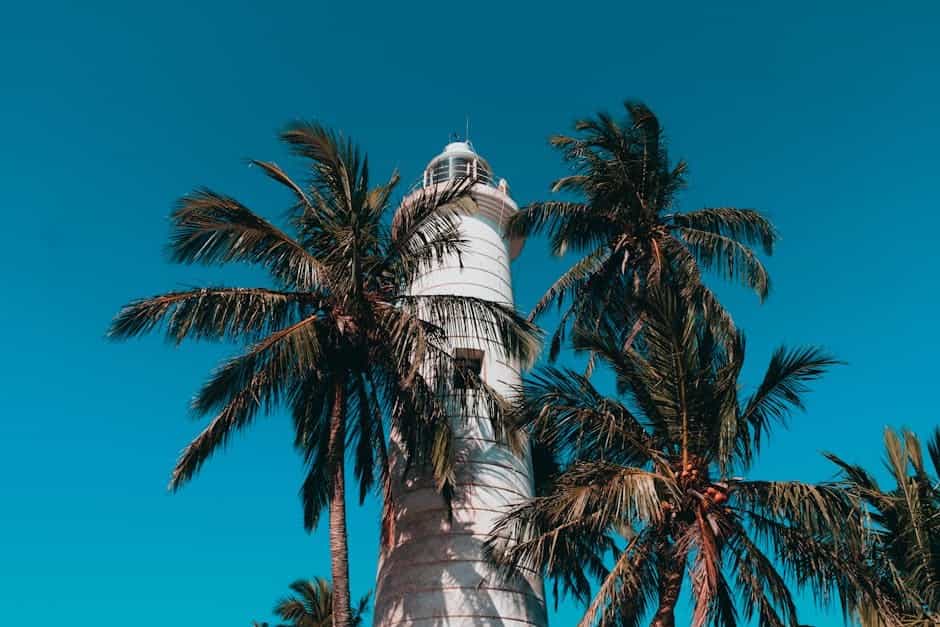
- Dondra Head Lighthouse – southernmost lighthouse of Sri Lanka (Dondra)
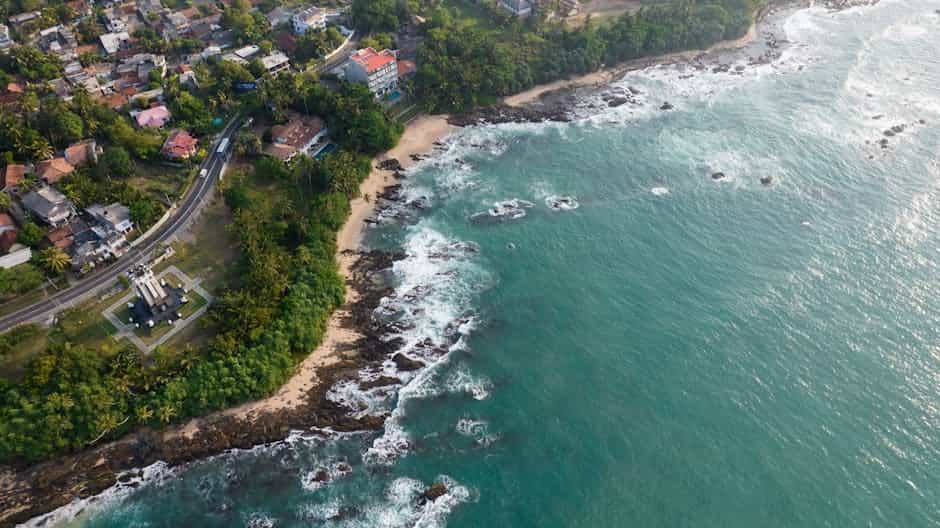
- Polhena Beach – protected reef, good for swimming and snorkeling
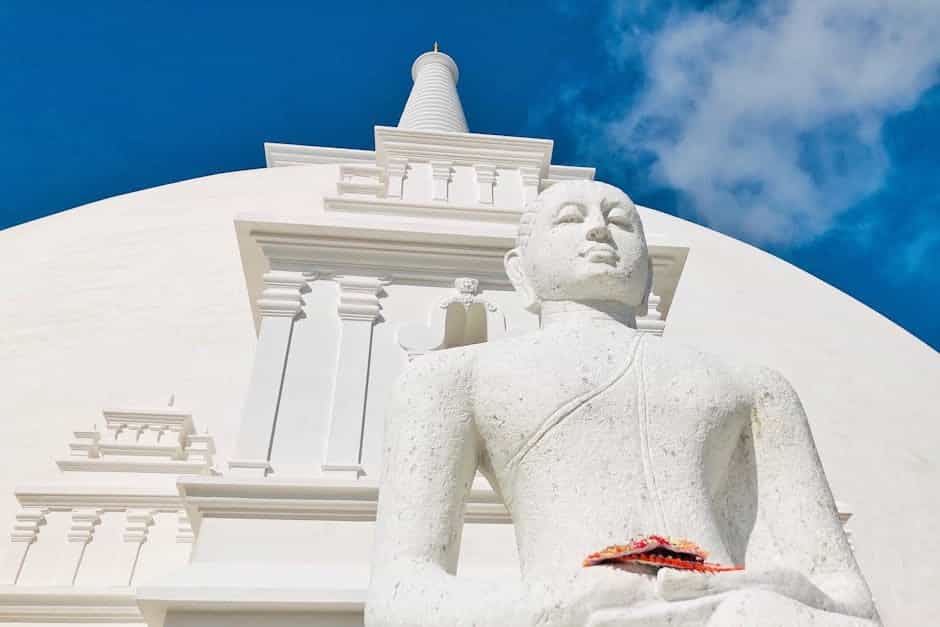
- Weherahena Raja Maha Viharaya – cave temple with large Buddha statues
- Nilwala River estuary and boat rides
- Matara fish market and waterfront
- Nearby: Mirissa (whale watching) and Weligama (stilt fishermen & surfing)
Unique Aspects
- Well-preserved colonial architecture (Dutch and Portuguese influences) around the fort area
- Reef-protected swimming at Polhena, ideal for families and snorkeling
- Traditional fishing culture and an active fish market with fresh seafood
- Lush coconut palms and mangrove ecosystems along the Nilwala estuary
- Close access to southernmost coast features like Dondra Head and its lighthouse
Things to do
- Explore Matara Fort and walk the ramparts
- Visit the Paravi Duwa shrine and the small island causeway
- Snorkel and swim at Polhena Beach (reef-protected)
- Take a boat or eco-tour on the Nilwala River (birdlife and mangroves)
- Day-trip to Mirissa for whale watching (seasonal)
- Try local seafood at the Matara fish market and waterfront eateries
- Visit Weherahena Temple and other local temples for cultural insight
- Surf or watch the famous stilt fishermen at nearby Weligama
Festivals & Events
- Local temple Peraheras (processions) and Buddhist festival observances (Vesak, Poson)
- Coastal and fishing-related community events (seasonal harvest/sea blessings)
- Regional cultural festivals in nearby towns that draw visitors from Matara
Best Time to Visit
November to April — dry season and prime months for beaches, snorkeling and whale watching (peak season December–March).
Weather Conditions
Tropical coastal climate: warm and humid year-round, average temperatures typically 26–32°C (79–90°F). The southwest monsoon (May–September) brings heavier rains to the southern coast; short rains can also occur during inter-monsoon periods.
Accessibility
Matara is well connected: Southern Railway Line runs from Colombo to Matara (~2.5–3 hours by train). Regular buses connect Matara with Galle and Colombo. Nearest major international airport: Bandaranaike International Airport (Colombo) ~3–4 hours by road; there are also domestic airports (Koggala, Mattala) that may serve charter or limited flights. Local taxis, tuk-tuks and rental scooters are common for short trips.
Recommended Duration
Plan 1–3 days in Matara to see the main town attractions and take one nearby day trip (Polhena, Dondra or Mirissa). Combine with Galle or other south-coast stops for a longer itinerary.
Clothing & Gear Tips
Lightweight, breathable clothing, sunhat, reef shoes or water shoes for snorkeling, sunscreen, and modest clothing for temple visits (shoulders and knees covered). Bring mosquito repellent and a light rain jacket during the monsoon season.
Local Food & Souvenirs
Try fresh seafood, hoppers (appa), kottu, and local sambols. Look for souvenirs like handloom textiles, lacquerware, carved wooden items and seashell crafts. Coconut-based sweets and locally produced spices (cinnamon) are popular buys.