Minneriya National Park, Sri Lanka
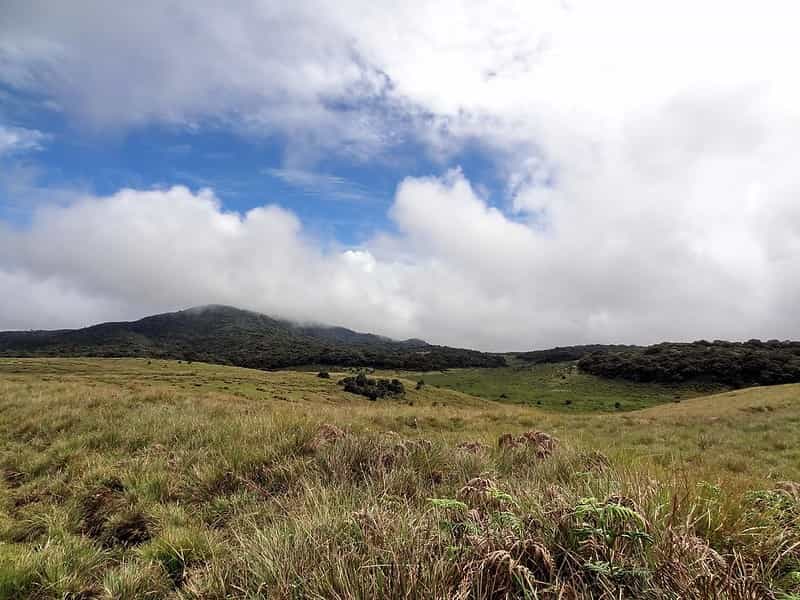
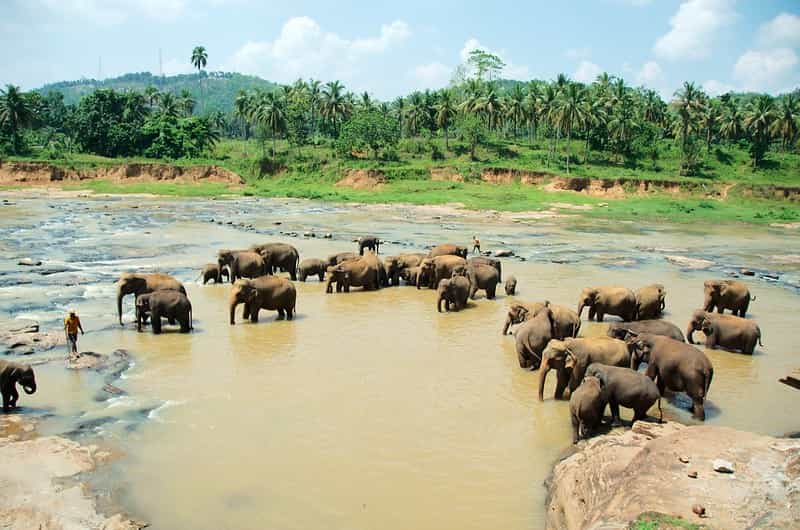
Minneriya National Park protects a mosaic of dry-zone habitats — from open grasslands and scrub to the large Minneriya reservoir — that support one of Sri Lanka's best-known wildlife spectacles. The reservoir and surrounding lands are part of an ancient irrigation network dating back to the early medieval period; the Minneriya tank itself was enlarged and restored by ancient kings and remains an important feature of the island's hydraulic civilization. The park conserves rich dry-zone biodiversity, including Asian elephants, deer, water buffalo, and numerous bird species, and plays an important role in seasonal wildlife movements and wetland ecology.
Last updated: 23 Oct 2025
Places to visit
- The Great Elephant Gathering (seasonal congregation at Minneriya reservoir)
- Minneriya Reservoir (ancient tank and scenic waterscape)
- Dry-zone wildlife: Asian elephants, sambar deer, spotted deer, water buffalo, toque macaques
- Birdlife: migratory and resident waterbirds, raptors and wetland species
- Savannah-like grasslands, scrub forests and lookout points for photography
Unique Aspects
- Seasonal mass-aggregation of Asian elephants — one of the world’s most reliable and spectacular elephant gatherings
- Large shallow reservoir creating varied wildlife habitats (shorelines, reedbeds, open water)
- Close proximity to other cultural and wildlife sites (Habarana, Polonnaruwa, Kaudulla and Wasgamuwa parks)
- Easy-access game drives on jeep trails with excellent photographic opportunities
Things to do
- Wildlife jeep safaris (most common way to experience the park)
- Birdwatching — especially around the reservoir margins and reedbeds
- Photography of elephants and openland wildlife at close range
- Guided nature drives and naturalist-led tours
- Short nature walks in permitted/nearby areas (guided; note that off-road walking inside the park is restricted for safety)
Best Time to Visit
Best time: August–October for the elephant congregation. For general wildlife viewing, the dry season (May to September) offers clearer roads and higher wildlife visibility.
Weather Conditions
Tropical dry-zone climate: hot and dry during the peak dry months (temperatures often 30–35°C / 86–95°F). Short rains typically occur from October–January and inter-monsoonal showers can occur at other times. Expect dusty conditions during the dry season.
Entry Fees & Permits
Entry: Park entrance fees and vehicle permits are charged by the Department of Wildlife Conservation and vary for foreigners, locals and by vehicle type. Typical hours: park access is generally allowed from sunrise to sunset (approx. 6:00–18:00), but official times and permit rules should be checked and booked in advance with local tour operators or the park office.
Accessibility
Closest town: Habarana (about 10–20 minutes drive to park gates). Nearest major cultural hub: Polonnaruwa (~35–45 km). Nearest airport: Bandaranaike International Airport (Colombo, ~3–4 hours by road). Access is mainly by road — most visitors arrive via organized safari vehicles from Habarana, Sigiriya, Dambulla or Polonnaruwa. Public buses run to Habarana, where you can arrange a safari; train access is available to Polonnaruwa and nearby stations but requires onward road transfer.
Recommended Duration
Half-day (3–4 hours) safari for a quick visit; full-day (6–8 hours) recommended to increase chances of seeing the elephant gathering and to enjoy birdlife and scenery comfortably.
Clothing & Gear Tips
Neutral-colored clothing (beige/khaki/olive), long-sleeved shirts for sun and insect protection, comfortable sturdy shoes, wide-brim hat, sunscreen, sunglasses, insect repellent, binoculars, camera with telephoto lens, reusable water bottle and light rain jacket during shoulder seasons.
Local Food & Souvenirs
Nearby towns such as Habarana and Polonnaruwa offer Sri Lankan rice-and-curry meals, fresh tropical fruit and roadside snacks. Souvenirs include handloom textiles, batik, wood carvings, spice packets (cinnamon, pepper) and locally made handicrafts sold in tourist shops around Habarana and Sigiriya.