Old Town of Galle and its Fortifications, Sri Lanka
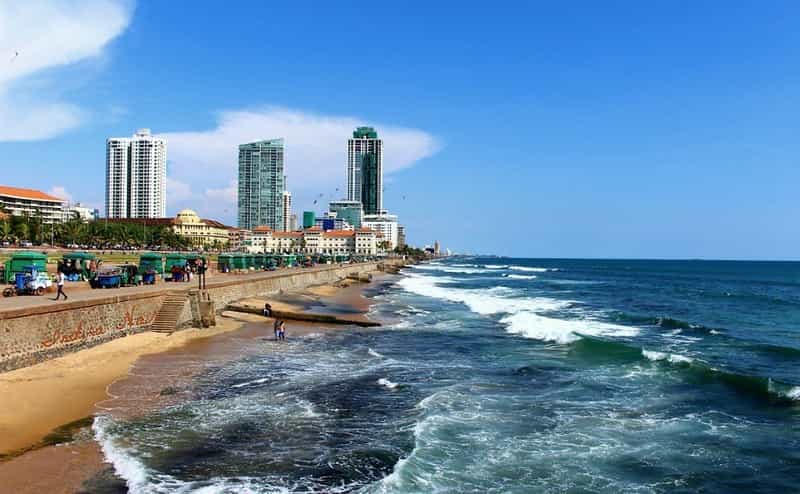
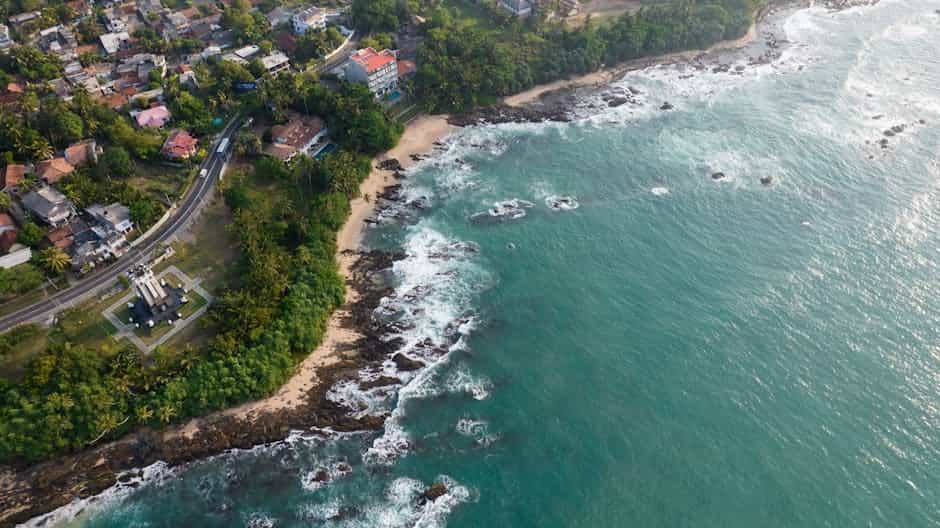
Old Town of Galle and its Fortifications is a UNESCO World Heritage Site (inscribed 1988). The fort exemplifies a well-preserved example of European colonial town planning fused with South Asian traditions. Originally fortified by the Portuguese in the 16th century and substantially rebuilt by the Dutch in the 17th century, the complex displays layers of Portuguese, Dutch and British influence in urban layout, architecture and maritime infrastructure. The ramparts, bastions, and sea-facing walls constructed of coral stone and granite are outstanding examples of coastal fortification adapted to a tropical island environment.
Last updated: 23 Oct 2025
Historic Anecdotes
Local stories include tales of hidden caches and shipwreck treasures along the coast, and the legendary resilience of the fort during successive colonial sieges. The site has many anecdotes about sea captains, spice traders and a multicultural trading community — Sinhalese, Dutch, Portuguese, Arab and later British — each leaving cultural and culinary legacies. The Dutch Reformed Church graveyard contains inscriptions and epitaphs that narrate personal stories of lives tied to Galle’s maritime past.
Places to visit
- Galle Fort Ramparts — walk the sea walls and visit bastions such as the Flag Bastion and Mole Bastion
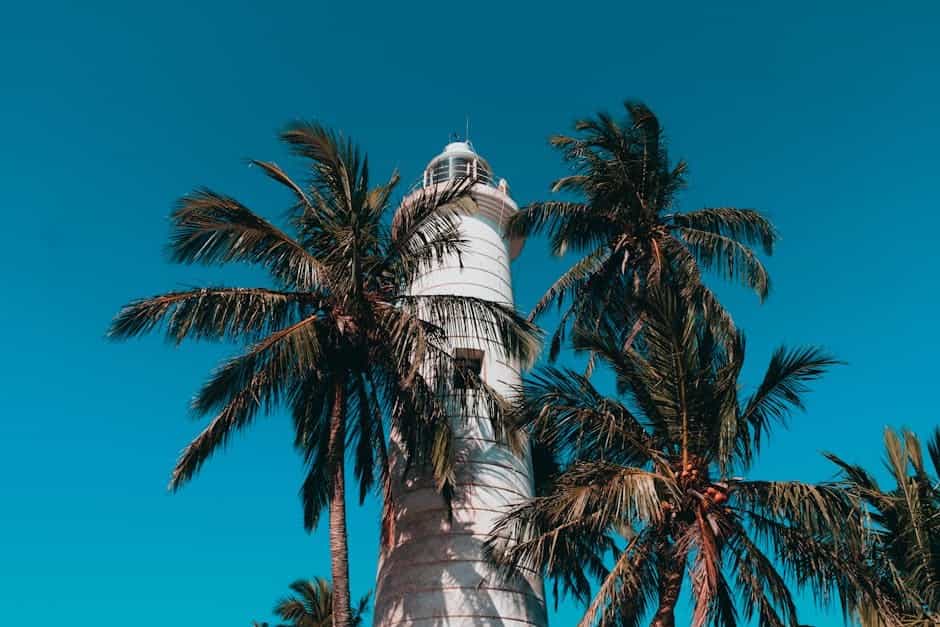
- Galle Lighthouse — Sri Lanka’s oldest light station (located on the fort’s seaward edge)
- Dutch Reformed Church (18th century) — historic interior and colonial tombstones
- Dutch Hospital — restored colonial building now housing boutiques and cafés
- National Maritime Museum — maritime history and artifacts
- Old Gate (Skate’s Fort Gate) and the curved streets of the fortified core
- Local art galleries, boutiques and cafés housed in colonial buildings
Unique Aspects
- Well-preserved bastioned ramparts with cannons and lookout points
- A distinctive grid street plan combining European urbanism with local building materials
- Blend of colonial architecture and South Asian decorative details (churches, mosques, temples and merchant houses)
- Picturesque sunset views over the Indian Ocean from the ramparts
- A living community with residents, shops and heritage conservation in an inhabited fort
Things to do
- Walking the ramparts at sunrise or sunset for panoramic sea views and photo opportunities
- Exploring museums (National Maritime Museum) and historic buildings (Dutch Reformed Church, Dutch Hospital)
- Browsing boutique shops, art galleries and antique stores inside the fort
- Dining at cafes and seafood restaurants featuring local cuisine
- Guided heritage walks to learn about colonial history, architecture and conservation
- Short boat trips or coastal excursions arranged from nearby wharves (note seasonal availability)
Festivals & Events
- Galle Literary Festival (annual, usually January) — international literary event often hosted within the fort area
- Local religious and cultural celebrations (Vesak lanterns, Eid gatherings in the broader Galle community)
- Occasional art fairs, craft markets and evening cultural performances held in and around the fort
Best Time to Visit
November to April (dry season on the southwest coast) — calmer seas and sunnier weather; monsoon season (May–October) brings heavier rain and rough seas.
Weather Conditions
Tropical maritime climate: warm and humid year-round, average daytime temperatures 26–31°C (78–88°F). Expect higher humidity and afternoon showers during the inter-monsoon periods.
Entry Fees & Permits
The fort precinct and ramparts are free to enter. Individual sites (e.g., National Maritime Museum, some private museums or restored buildings) may charge modest entry fees (typically small, local-rupee rates). Shops and restaurants have varying hours but most are open 08:00–20:00; major attractions usually accessible daytime hours.
Accessibility
Nearest major airport: Bandaranaike International Airport (CMB) near Colombo (~2–3 hours by car depending on traffic). Alternative: domestic flights to nearby regional airports + road transfer. Galle is well served by train (Colombo-Galle line) and intercity buses. Streets inside the fort are narrow and paved with uneven cobbles — limited wheelchair accessibility in many spots. Vehicles can enter but parking is limited; tuk-tuks and walking are the best ways to explore the core.
Recommended Duration
Half a day to 2 days to explore the fort and nearby Old Town thoroughly; allow extra time for museums, relaxed meals and sunset on the ramparts. Combine with a day trip to beaches (Unawatuna, Mirissa) or whale watching if staying longer.
Clothing & Gear Tips
Light, breathable clothing; comfortable walking shoes for uneven cobbles; hat, sunscreen and reusable water bottle. Dress modestly when visiting places of worship (shoulders/knees covered). Bring a compact umbrella in the rainy season and insect repellent for evenings.
Local Food & Souvenirs
Must-try foods: fresh seafood, hoppers (appa), kottu, lamprais, string hoppers and local sweets. Souvenirs: Ceylon tea, cinnamon, hand-made lace, local art, antiques and handcrafted jewelry from boutique shops within the fort. Many restaurants and shops accept cards, but carry cash (Sri Lankan rupees) for smaller vendors and markets.