Polonnaruwa, Sri Lanka
Polonnaruwa is a UNESCO World Heritage site and the well-preserved medieval capital of Sri Lanka (11th–13th centuries). It is significant for its outstanding archaeological monuments, sophisticated urban planning and extensive ancient irrigation works (notably the Parakrama Samudra). The site illustrates the island's medieval Sinhala civilization, Buddhist monastic culture, and advanced hydraulic engineering.
Last updated: 23 Oct 2025
Places to visit
- Gal Vihara (rock-cut Buddha statues)
- Royal Palace and Quadrangle
- Parakrama Samudra (great reservoir)
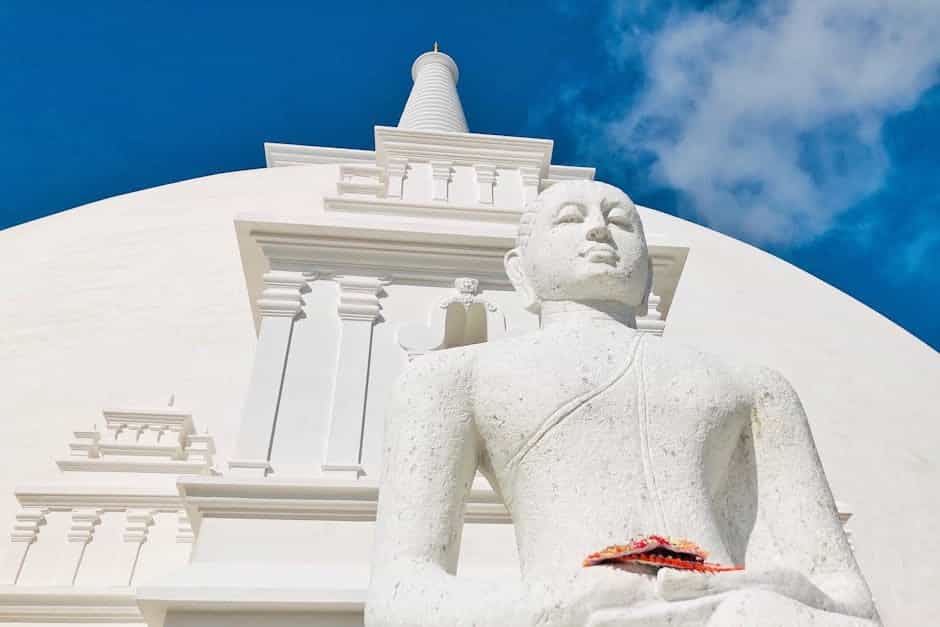
- Rankoth Vehera (large stupa)
- Lankatilaka and the Lankatilaka image house
- Vatadage and the Hatadage
- Satmahal Prasada (seven-tiered relic tower)
- Polonnaruwa Archaeological Museum
- Ancient monastic complexes and image houses
Unique Aspects
- Exceptionally well-preserved stone and brick masonry from the medieval period
- Large-scale ancient irrigation network and reservoirs
- Monumental rock-cut Buddha images with remarkable craftsmanship
- Cycling-friendly archaeological park with compact clusters of ruins
- Close proximity to natural/wildlife areas (e.g., Minneriya) for combined cultural + nature visits
Things to do
- Guided walking tours through the Quadrangle and Gal Vihara
- Cycling or tuk‑tuk circuits around the main ruins
- Photography of monumental stone sculptures and sunrise/sunset reservoir views
- Birdwatching and wildlife excursions nearby (Minneriya National Park)
- Visiting local temples and observing Buddhist rituals
Festivals & Events
- Vesak (Buddhist festival, May) — special temple decorations and religious observances
- Poson (June) — local commemorations of Buddhism's arrival in Sri Lanka
- Sinhala & Tamil New Year (April) — traditional celebrations and food
- Local temple peraheras and religious ceremonies (dates vary by temple)
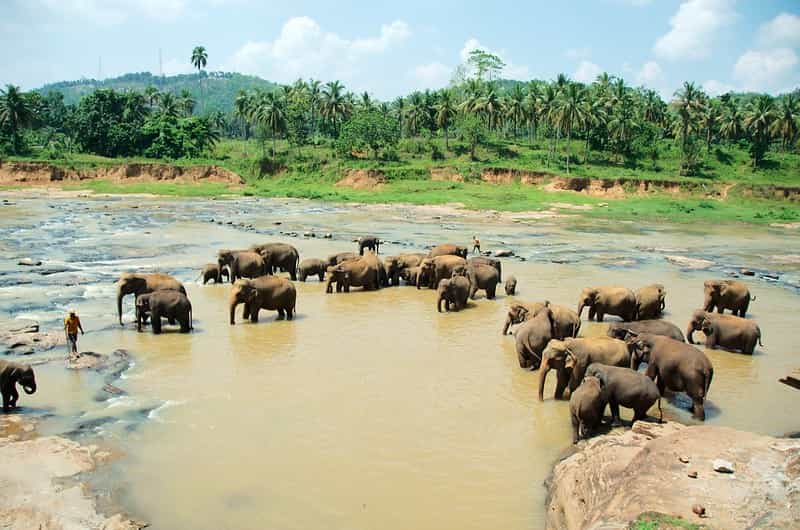
- Minneriya Elephant ‘Gathering’ (nearby) — best viewed July–September
Best Time to Visit
Best months: May–September (generally drier and good for touring ruins) and January–April (another relatively dry window). Avoid the peak rainy periods (notably parts of October–December depending on monsoon patterns).
Weather Conditions
Tropical, hot and often humid. Typical daytime temperatures range from 25–33°C and can exceed 35°C during the dry season. Expect cooler mornings and evenings near reservoirs.
Accessibility
Nearest international airport: Bandaranaike International Airport (Colombo) (~200–230 km, 4–5 hours by road). Polonnaruwa has a railway station with services to Colombo and Trincomalee and is reachable by intercity buses (from Kandy, Dambulla, Anuradhapura). Road access via A11/A6; hire a car, tuk‑tuk, or bicycle locally. On-site accessibility is limited: many ruins involve uneven ground, steps and low platforms—wheelchair access is restricted.
Recommended Duration
Half a day covers the main highlights; a full day is recommended to see Gal Vihara, the Quadrangle and Parakrama Samudra at a comfortable pace. 2–3 days are ideal if you plan to include nearby Minneriya (elephant watching) and other Cultural Triangle sites (Sigiriya, Anuradhapura).
Clothing & Gear Tips
Wear lightweight, breathable clothing. Cover shoulders and knees when visiting temple areas. Bring a wide-brim hat, sunscreen, sunglasses, comfortable walking shoes, insect repellent, a refillable water bottle, and a small rain jacket or umbrella in the wet season.
Local Food & Souvenirs
Try local dishes such as rice and curry, hoppers (appa), kottu roti and coconut-based sambols. Souvenirs include wood carvings, brass lamps, traditional masks, handloom textiles and local honey. Polonnaruwa town markets and stalls near the site offer souvenirs and snacks.