Ruwanwelisaya Stupa, Sri Lanka
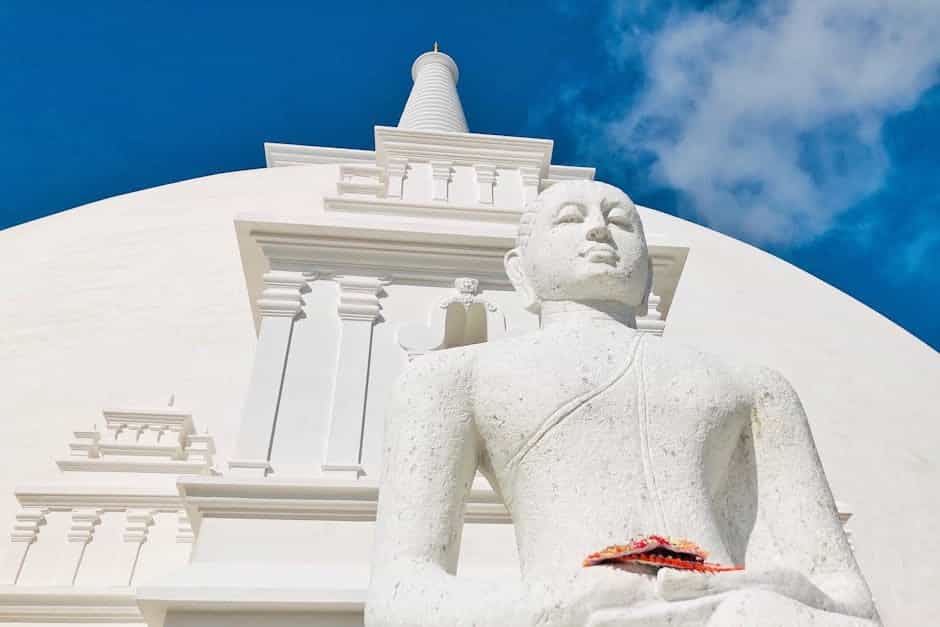
Ruwanwelisaya (also spelled Ruwanwelisaya Stupa) is one of the most important and venerated Buddhist monuments in Sri Lanka, located in the ancient city of Anuradhapura. Built in the 2nd century BCE by King Dutugemunu, it houses relics of the Buddha and symbolizes the unification of the island under a Buddhist king. The stupa is a central feature of the Anuradhapura Sacred City — a UNESCO World Heritage Site — and plays a key role in Sri Lanka’s religious, cultural and historical identity.
Last updated: 23 Oct 2025
Historic Anecdotes
According to tradition, King Dutugemunu constructed Ruwanwelisaya after his victory over the South Indian King Elara, as an act of merit and to enshrine Buddha relics. The stupa is also linked to many local legends: stories of miracles during its consecration, protective spirits of the city, and accounts of successive restorations by devoted kings and communities. The site is often mentioned in chronicles like the Mahavamsa, which describe its religious significance and the ceremonies surrounding it.
Places to visit
- The Ruwanwelisaya stupa (the main hemispherical dome)
- Surrounding terrace and balustrades where devotees circumambulate
- Ancient stone carvings and guardstones near the entrance
- Nearby Anuradhapura highlights: Sri Maha Bodhi (sacred fig), Jetavanaramaya, Abhayagiri dagaba, and archaeological ruins within the Sacred City
Unique Aspects
- Massive white hemispherical dome, a classic example of early Sinhalese stupa architecture
- Relic chambers said to contain Buddha’s relics (makes the site highly sacred to Buddhists)
- Extensive devotional spaces used for pradakshina (circumambulation) and offerings
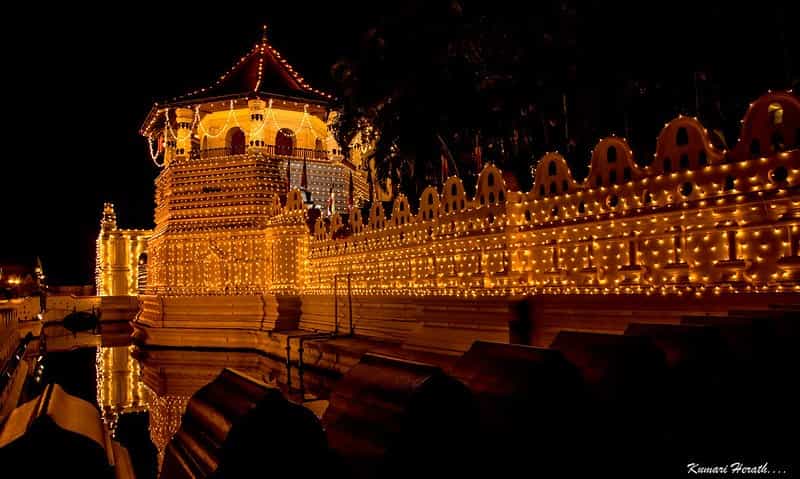
- Night illuminations during major festivals that create a dramatic visual effect
Things to do
- Circumambulation of the stupa and participation in devotional rituals
- Guided tours of the Anuradhapura Sacred City and interpretation of the stupa’s architecture and history
- Photography of the monument, terraces and surrounding ruins (respecting worshippers)
- Meditation and quiet reflection in designated areas
- Visiting during a Poya (full-moon) day or major festival to observe ceremonies and cultural displays
Festivals & Events
- Vesak (Buddha’s birth, enlightenment and passing) — devotional ceremonies and illuminations
- Poson Poya — one of the most important festivals in Anuradhapura commemorating the introduction of Buddhism to Sri Lanka; large pilgrimages to Ruwanwelisaya
- Weekly Poya (full moon) observances — local devotees gather for offerings and rituals
Best Time to Visit
Best visited in the dry season and during major Buddhist festivals: aim for December–April for generally dry weather and comfortable touring; visiting during Vesak (April/May) or Poson (June) offers a richer religious and cultural experience.
Weather Conditions
Tropical climate: expect hot days and high humidity. Daytime temperatures commonly range from about 28–35°C (82–95°F) in the Cultural Triangle; bring sun protection and stay hydrated.
Entry Fees & Permits
Ruwanwelisaya is inside the Anuradhapura Sacred City / Archaeological Park; entry rules and fees may apply at the protected site entrances (tickets to the archaeological zone are often charged for foreign visitors). The temple precincts generally follow dawn-to-dusk visiting hours for tourists, while some devotional areas are accessible during festival nights. Confirm current fees and opening hours locally before visiting.
Accessibility
Nearest major hub: Anuradhapura town (site is within easy reach). Arrival options: train from Colombo (several-hour journey), intercity bus, or private car. Nearest international airport: Bandaranaike International Airport (Colombo) ~200–240 km by road; there is also a smaller Anuradhapura domestic airport. Local transport: tuk-tuks, taxis, rental cars and guided tour vans. The site involves walking on paved and uneven ancient stone surfaces—comfortable shoes recommended.
Recommended Duration
Plan half a day to one full day specifically for Ruwanwelisaya and immediate surroundings; allow 1–2 days to explore the wider Anuradhapura Sacred City and nearby ancient sites at a relaxed pace.
Clothing & Gear Tips
Dress modestly and respectfully: shoulders and knees covered. Remove shoes and hats before entering sacred areas. Bring lightweight clothing, sunhat, sunscreen, water, and a small scarf or shawl for extra coverage when visiting shrines.
Local Food & Souvenirs
Sample local Sri Lankan dishes in Anuradhapura such as rice and curry, hoppers (appa), and short eats; carry water during the heat. Souvenirs: Buddhist icons/statues (respectfully purchased), religious books, local handicrafts, lacquerware, spices and Ceylon tea. Buy from licensed shops or reputable vendors.