Sacred City of Anuradhapura, Sri Lanka
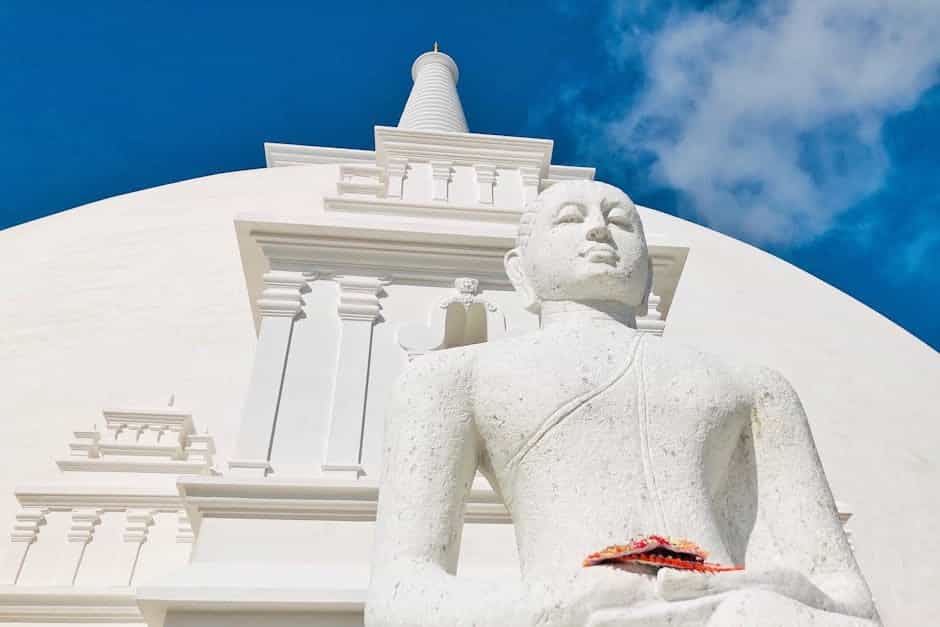
Anuradhapura is one of the oldest continuously inhabited cities in South Asia and was the first capital of a unified Sri Lankan kingdom. It served as the political and religious center of the island from the 4th century BCE to the 11th century CE. The city is a major center for Theravada Buddhism and a UNESCO World Heritage Site. It houses ancient monasteries, stupas (dagobas), royal palaces and vast hydraulic systems (tanks and canals) that exemplify advanced early irrigation engineering.
Last updated: 23 Oct 2025
Historic Anecdotes
Legend holds that the Sri Maha Bodhi in Anuradhapura is a sapling from the original Bodhi tree under which the Buddha attained enlightenment; it was brought to Sri Lanka by Sanghamitta Theri in the 3rd century BCE and is considered the oldest historically documented living tree. Many stupas are linked to famous kings—Ruwanwelisaya associated with King Dutugemunu—and to stories from the Mahavamsa chronicle, including the conversion of King Devanampiya Tissa to Buddhism after the mission of Mahinda Thera.
Places to visit
- Sri Maha Bodhi (sacred fig tree)
- Ruwanwelisaya Stupa
- Jetavanaramaya Stupa
- Thuparamaya (earliest dagoba in Anuradhapura)
- Abhayagiri and Jetavana monastic complexes
- Isurumuniya Rock Temple
- Kuttam Pokuna (Twin Ponds)
- Royal Palace Ruins and quadrant of ancient city
- Archaeological Museum, Anuradhapura
- Ranmasu Uyana and Coronation Pavilion
Unique Aspects
- Massive brick stupas (some among the largest ancient brick structures in the world)
- Sri Maha Bodhi—one of the oldest historically documented trees
- Intricate stone carvings including moonstones and guard stones
- Highly developed ancient irrigation tanks and canals
- Extensive monastic complexes and meditation sites set within a large archaeological park
Things to do
- Guided tours of the Archaeological Park to learn the layered history and architecture
- Cycle or scooter around the expansive ruins (bicycle hire widely available near the park)
- Attend temple rituals and offer respects at the Sri Maha Bodhi during Poya days (full-moon days)
- Sunrise or sunset visits to prominent stupas for photography and quiet reflection
- Visit the Anuradhapura Archaeological Museum to see relics and explanatory displays
- Birdwatching and gentle walks around ancient tanks and gardens
- Meditation sessions or brief stays at monastic guesthouses (by arrangement)
Festivals & Events
- Poson Festival (June) — major Buddhist festival celebrated with pilgrimages and almsgiving
- Vesak (May) — celebration of Buddha’s birth/enlightenment/parinibbana with lanterns and temple ceremonies
- Poya (Full Moon) days — regular religious observances drawing local pilgrims
Best Time to Visit
November to April (generally the drier months, cooler and more comfortable for exploring the open archaeological park). Early mornings or late afternoons year-round are best to avoid midday heat.
Weather Conditions
Tropical, typically hot and humid. Daytime temperatures commonly range from about 28–34°C (82–93°F). The north-central plains receive most rain during the southwest and northeast monsoon periods—expect heavier showers May–September in some years.
Entry Fees & Permits
The Sacred City/Archaeological Park has a paid entry (different rates for foreign visitors, residents, and children); some individual temples and museum exhibits may also charge small fees. Typical park opening hours are roughly 6:00–18:00, with some temples operating around temple ritual times. Fees and opening hours change periodically—check the official Department of Archaeology or local ticket office before travel.
Accessibility
Anuradhapura is accessible by road (about 4–5 hours from Colombo by car), by train on the Northern Line, and by regular long-distance buses. There is a small domestic airstrip (Anuradhapura Airport) with limited services. The archaeological site is large with uneven paths, stone steps and grassy areas; wheelchair access is limited in many zones, so visitors with mobility needs should plan accordingly and contact authorities for assistance options.
Recommended Duration
1–2 full days to see main highlights; 2–3 days for a more relaxed pace, longer meditation or cycling exploration.
Clothing & Gear Tips
Modest clothing that covers shoulders and knees is required inside shrines (long skirts/trousers and covered shoulders). Lightweight, breathable fabrics for the heat; a hat, sunscreen, and plenty of water are essential. Bring comfortable walking shoes (you will remove them at temple entrances), insect repellent, and a small towel or sarong.
Local Food & Souvenirs
Try local Sri Lankan staples in town such as rice and curry, hoppers (appa), string hoppers, and local fruit. Souvenirs include Buddhist devotional items (small Buddha images, prayer beads), local handicrafts, batik textiles, wooden carvings, and postcards/prints of the ruins. Respectful, non-commercial offerings (flowers, oil lamps) are also sold near temple precincts.