Sigiriya Rock Fortress, Sri Lanka
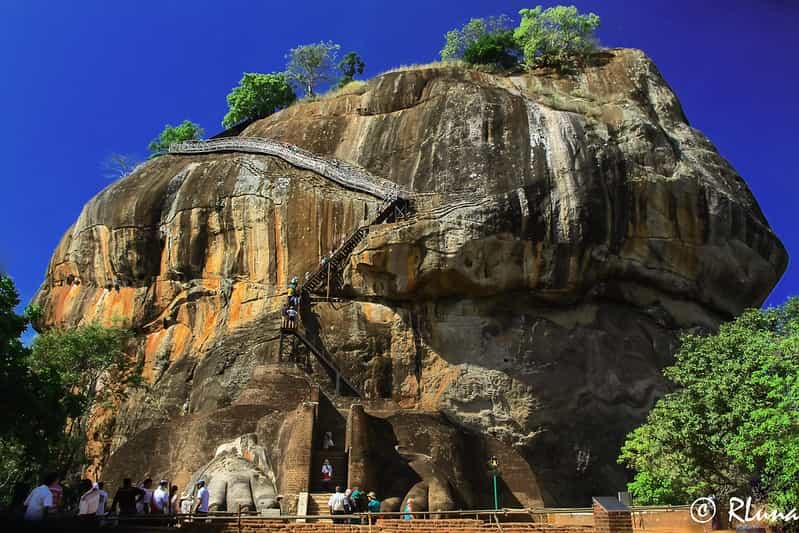
Sigiriya, also called the Lion Rock, is a 5th-century AD rock fortress and palace built by King Kashyapa. It is one of Sri Lanka's most important archaeological sites and a UNESCO World Heritage Site. The complex demonstrates advanced urban planning, hydraulics, and garden design of ancient Sri Lanka, and reflects the island's historical, architectural, and artistic achievements.
Last updated: 23 Oct 2025
Historic Anecdotes
Local legend says King Kashyapa built the fortress after seizing the throne from his father and fearing retribution from his brother Moggallana. Another tradition holds that the site may have been used earlier as a Buddhist monastery. The dramatic lion-shaped gateway and the rock’s frescoes feed into many local stories of royal intrigue, lost treasures, and hidden passageways.
Places to visit
- The Sigiriya Rock Summit and ruins of the royal palace
- Frescoes (the Sigiriya maidens) painted on the rock face
- The Mirror Wall with ancient graffiti
- The Lion’s Paw platform and the remains of the lion gateway
- The elaborate Water Gardens, Boulder Gardens, and Terraced Gardens
- Sigiriya Museum and archaeological displays
Unique Aspects
- Massive monolith rising about 200 meters from the plain
- Highly sophisticated ancient hydraulic systems and symmetrical water gardens
- Well-preserved frescoes featuring vivid pigments
- Panoramic views across the Cultural Triangle and nearby jungle
- UNESCO World Heritage status and extensive archaeological remains
Things to do
- Climb the rock via stairways to reach the summit and explore palace ruins
- View the famous frescoes and read the inscriptions on the Mirror Wall
- Walk the Water Gardens and see the ancient irrigation features
- Visit the Sigiriya Museum for context and artefacts
- Take guided tours that explain history, engineering, and art
- Birdwatching and nature walks in the surrounding area
Festivals & Events
- Local cultural events in nearby towns (Dambulla, Habarana) during major national festivals
- Religious observances on Poya (full-moon) days which may affect opening times or visitor experience
- Occasional archaeological talks, guided heritage walks, and cultural demonstrations organized by regional authorities
Best Time to Visit
The best time to visit is the dry season, typically December to April, when rainfall is lowest and paths are less slippery. Early mornings are cooler and less crowded.
Weather Conditions
Tropical climate: hot and humid. Dry season (less rain) and wetter months (May to November) with occasional heavy rains, especially October–November. Temperatures commonly range from 25–33°C (77–91°F).
Entry Fees & Permits
Entrance fees vary and change over time; as a guideline, international visitors should expect an entry fee in the range of USD 25–40 (payable in local currency at the site or advance booking counters). Site hours are roughly 07:00–17:30 but check current opening hours and ticketing rules before visiting.
Accessibility
Nearest major airport: Bandaranaike International Airport (CMB) near Colombo, about 3.5–5 hours by road (approx. 160–200 km). Nearest towns: Habarana (~15 km), Dambulla (~20 km), and Matale. Public transport: buses to Habarana/Dambulla then tuk-tuk or taxi; limited direct train access—most visitors travel by car, taxi, or organized tour from Kandy, Sigiriya region hotels, or Colombo.
Recommended Duration
Allocate 3–5 hours for the full experience (climb, explore gardens, museum, and return). If arriving from farther away, consider a full day including travel time.
Clothing & Gear Tips
Wear sturdy, comfortable shoes for climbing; bring a hat, sunscreen, insect repellent, and plenty of water. Dress modestly out of respect for local culture (cover shoulders and knees when visiting nearby religious sites).
Local Food & Souvenirs
Try local Sri Lankan dishes such as rice and curry, hoppers, and kottu in nearby towns. Souvenirs include traditional masks, lacquerware, spices, handwoven textiles, and miniature Sigiriya models or local handicrafts.